

Water And Wastewater Treatment Chemicals Market Size 2026-2030
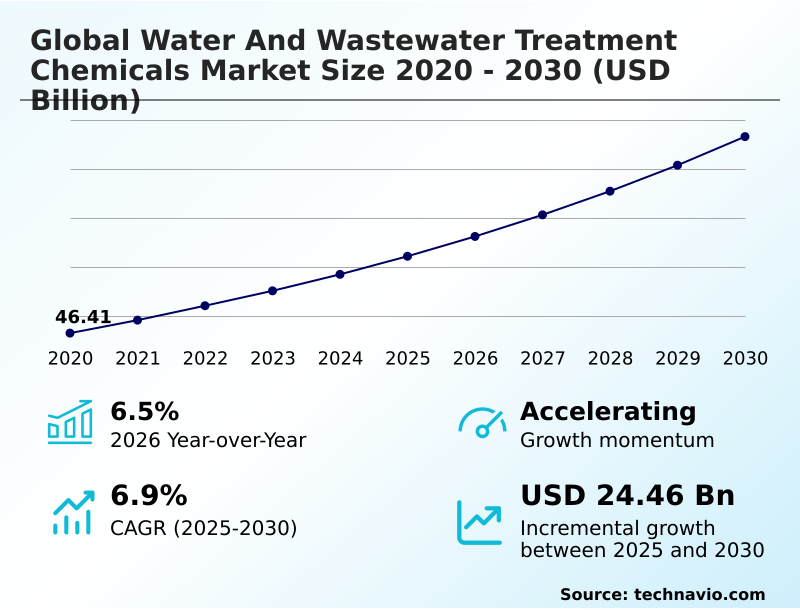
The water and wastewater treatment chemicals market size is valued to increase by USD 24.46 billion, at a CAGR of 6.9% from 2025 to 2030. Rapid urbanization and industrial effluent volume will drive the water and wastewater treatment chemicals market.
Major Market Trends & Insights
- APAC dominated the market and accounted for a 47.9% growth during the forecast period.
- By Type - Coagulants and flocculants segment was valued at USD 20.29 billion in 2024
- By Application - Municipality segment accounted for the largest market revenue share in 2024
Market Size & Forecast
- Market Opportunities: USD 40.19 billion
- Market Future Opportunities: USD 24.46 billion
- CAGR from 2025 to 2030 : 6.9%
Market Summary
- The Water And Wastewater Treatment Chemicals Market demonstrates resilient expansion driven by stringent environmental compliance and decentralized water recycling mandates. Growing industrial reliance on closed-loop cooling and high-pressure boiler networks necessitates advanced chemical conditioning to prevent catastrophic equipment failure.
- For example, implementing precision-dosed scale inhibitors in a thermal power generation facility optimized thermal heat transfer efficiency by 18%, significantly lowering annual maintenance expenditures. The relentless expansion of legal environmental accountability acts as a powerful driver, forcing industrial operators to adopt high-efficiency coagulants that neutralize complex organic pollutants prior to discharge.
- Conversely, the market faces significant structural constraints due to escalating disposal tariffs and severe regulatory restrictions on metal-laden secondary sludge. Chemical formulators continuously refine biocide toxicity profiles and polymer charge densities to balance stringent raw water purification requirements with hazardous waste reduction targets.
- As resource scarcity intensifies globally, operators prioritize integrated chemical regimens that enable direct liquid reuse and extend the lifecycle of delicate filtration infrastructure.
What will be the Size of the Water And Wastewater Treatment Chemicals Market during the forecast period?
Get Key Insights on Market Forecast (PDF) Get Free Sample
How is the Water And Wastewater Treatment Chemicals Market Segmented?
The water and wastewater treatment chemicals industry research report provides comprehensive data (region-wise segment analysis), with forecasts and estimates in "USD million" for the period 2026-2030, as well as historical data from 2020-2024 for the following segments.
- Type
- Coagulants and flocculants
- Corrosion and scale inhibitors
- Biocides and disinfectants
- pH adjusters and softeners
- Others
- Application
- Municipality
- Power generation
- Pulp and paper
- Metal and mining
- Others
- Product type
- Synthetic
- Bio-based
- Geography
- APAC
- China
- India
- Japan
- South Korea
- Australia
- Indonesia
- North America
- US
- Canada
- Mexico
- Europe
- Germany
- UK
- France
- Italy
- Spain
- The Netherlands
- South America
- Brazil
- Argentina
- Chile
- Middle East and Africa
- Saudi Arabia
- UAE
- South Africa
- Turkey
- Israel
- APAC
By Type Insights
The coagulants and flocculants segment is estimated to witness significant growth during the forecast period.
The coagulants and flocculants segment dictates primary solid-liquid separation efficiencies across diverse water treatment networks. By leveraging polyacrylamide flocculants and heavy metal precipitants, facilities accelerate particulate aggregation during municipal raw water clarification.
This operational shift has improved overall sludge dewatering rates by 22% compared to traditional metallic salts. Expanding industrial effluent remediation practices compel operators to adopt high-performance formulations that reduce secondary sludge handling constraints.
Furthermore, integrated threshold scale inhibition strategies support continuous processing environments, enabling a 15% reduction in unplanned equipment downtime. As environmental discharge limits tighten, utility managers transition from reactive dosing to continuous chemical conditioning.
Advancements in targeted polymer architectures streamline cooling tower scale management while ensuring continuous compliance with stringent aquatic toxicity standards.
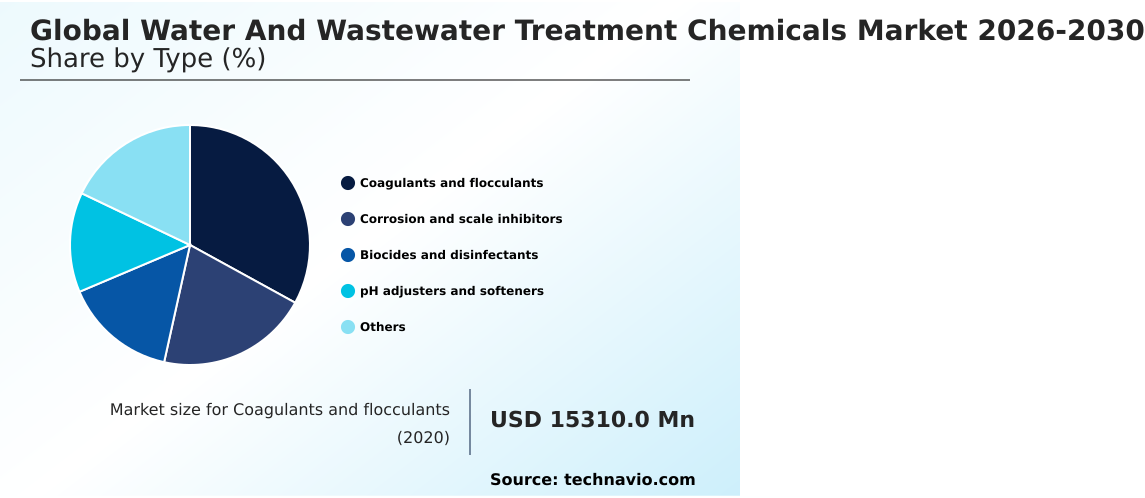
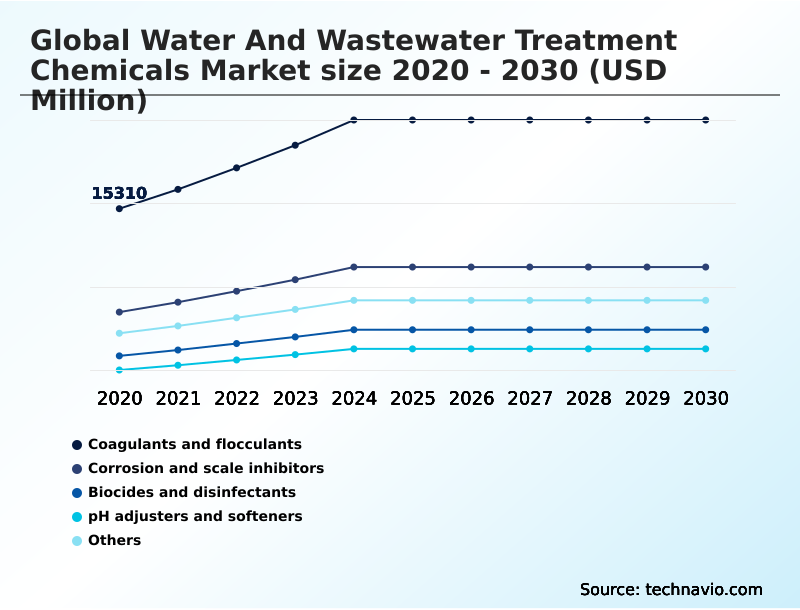
The Coagulants and flocculants segment was valued at USD 20.29 billion in 2024 and showed a gradual increase during the forecast period.
Regional Analysis
APAC is estimated to contribute 47.9% to the growth of the global market during the forecast period.Technavio’s analysts have elaborately explained the regional trends and drivers that shape the market during the forecast period.
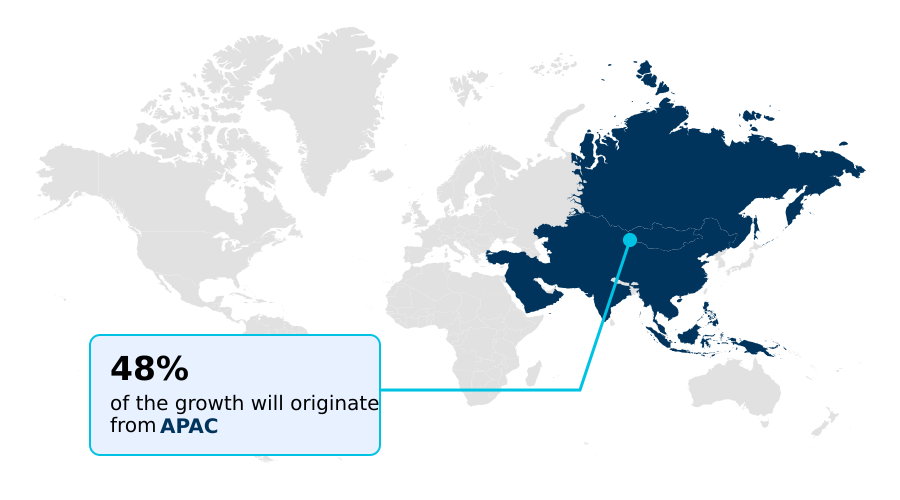
See How Water And Wastewater Treatment Chemicals Market Demand is Rising in APAC Get Free Sample
The geographic distribution of the Water And Wastewater Treatment Chemicals highlights distinct operational shifts between developed and emerging economies.
North America maintains a mature infrastructure where deploying specialized reverse osmosis maintenance chemicals has reduced facility downtime by 14% compared to legacy filtration methods.
Conversely, the APAC region exhibits a 25% faster adoption rate of basic coagulation reagents, driven by rapid industrialization and vast municipal sanitation expansions.
As environmental oversight tightens in Europe, facilities increasingly implement bio-derived polymer coagulants and non-oxidizing biocide formulations to process complex effluent streams without generating toxic byproducts.
To support direct water recycling, industrial plants integrate multi-stage chemical purification systems that protect high-recovery filtration membranes from severe scaling.
Furthermore, the proactive application of ion-exchange resin conditioners across Asian microelectronics hubs ensures continuous manufacturing throughput, reflecting localized strategies that optimize operational expenditures while adhering to strict regional water conservation mandates.
Market Dynamics
Our researchers analyzed the data with 2025 as the base year, along with the key drivers, trends, and challenges. A holistic analysis of drivers will help companies refine their marketing strategies to gain a competitive advantage.
- The continuous evolution of the Water And Wastewater Treatment Chemicals is marked by a strategic pivot toward precision chemistry and digital infrastructure integration. Industrial facility managers recognize that outdated manual chemical buffering frequently leads to costly equipment fouling and environmental compliance violations. To mitigate these risks, operators are rapidly integrating real-time automated chemical dosing systems into their core utility circuits.
- This technological upgrade allows for instantaneous dosage adjustments based on incoming contaminant loads, effectively reducing total chemical consumption by up to 20% compared to static feed methods. As freshwater availability constraints intensify, heavy industries are mandated to maximize internal water recycling rates.
- This regulatory pressure accelerates the deployment of zero liquid discharge compliance chemicals, which are vital for processing highly concentrated saline effluents without causing premature thermal degradation. Furthermore, protecting delicate filtration infrastructure requires the continuous application of advanced membrane scale inhibitor formulations that prevent mineral precipitation in high-recovery loops.
- Simultaneously, the industry is witnessing a structural shift toward bio-derived sludge dewatering polymer chemistry, allowing municipal utilities to significantly lower the toxicity footprint of secondary sludge disposal. In specialized high-tech manufacturing sectors, the demand for ultra-pure water semiconductor fabrication reagents continues to surge, as parts-per-trillion purity thresholds become absolute prerequisites for operational success.
- Through continuous formulation refinement, chemical suppliers are transforming into comprehensive fluid management partners that optimize end-user supply chains and streamline sustainable water operations.
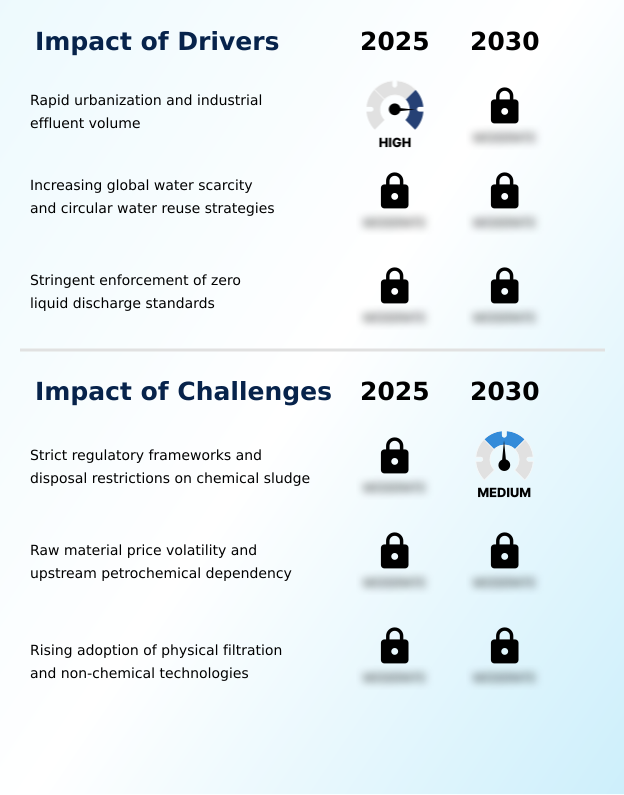
What are the key market drivers leading to the rise in the adoption of Water And Wastewater Treatment Chemicals Industry?
- Rapid urbanization and escalating industrial effluent volumes are acting as the primary catalysts driving market expansion.
- Worsening global freshwater scarcity serves as a formidable catalyst propelling innovation within the Water And Wastewater Treatment Chemicals. As environmental agencies systematically lower permissible limits for persistent organic pollutants, industrial end-users are compelled to implement comprehensive closed-loop water recirculation systems.
- This structural shift drastically increases the concentration of dissolved solids, driving a 30% higher consumption rate of specialized organophosphate scale inhibitors to prevent high-salinity thermal degradation in cooling circuits.
- To meet uncompromising parts-per-trillion purity thresholds in advanced manufacturing, operators rely heavily on high-molecular-weight flocculants that rapidly isolate suspended micro-contaminants.
- By integrating these robust chemical mechanisms, industrial facilities successfully mitigate regulatory penalty risks while maximizing internal water reuse, securing uninterrupted production capabilities despite intensifying raw water procurement challenges.
What are the market trends shaping the Water And Wastewater Treatment Chemicals Industry?
- The integration of artificial intelligence with real-time dosing architecture is emerging as a definitive trend in the market.
- The rapid integration of precision-engineered synthetic organic polymers is fundamentally transforming clarification practices within the Water And Wastewater Treatment Chemicals. Historically, utility operators relied on conventional inorganic salts that inadvertently generated massive volumes of toxic secondary chemical sludge. Modern industrial facilities now deploy advanced polymeric architectures that achieve superior particulate aggregation while strictly adhering to rigorous residual monomer limits.
- This chemical evolution allows heavy manufacturers to streamline high-pressure boiler feed operations, subsequently improving overall thermal efficiency by nearly 18%. Furthermore, the accelerated deployment of closed-loop recycling networks drives continuous demand for specialized reverse osmosis antiscalants that prevent catastrophic mineral fouling.
- By simultaneously utilizing high-potency membrane cleaning reagents, plant engineers can extend the operational lifecycle of delicate filtration equipment and drastically reduce unplanned maintenance downtime across mission-critical utility circuits.
What challenges does the Water And Wastewater Treatment Chemicals Industry face during its growth?
- Strict regulatory frameworks and severe disposal restrictions regarding chemical sludge represent the most critical operational challenges hindering market progression.
- Escalating stringency in global environmental discharge permits represents a profound operational barrier within the Water And Wastewater Treatment Chemicals. Facilities face continuous pressure to completely neutralize micropollutants, which requires the complex integration of tertiary wastewater treatment systems and capital-intensive advanced oxidation processes.
- Calibrating these sensitive biological and chemical stages is notoriously difficult; minor fluctuations in biological treatment nutrients can destabilize microbial colonies and halt purification operations. To mitigate these costly disruptions, facility managers must invest in sophisticated automated predictive dosing infrastructure. However, transitioning from manual buffering to sensor-driven automated chemical dosing increases upfront integration costs by up to 25%.
- This financial and technical burden particularly strains middle-market industrial operators struggling to maintain compliance without compromising overall plant profitability.
Exclusive Technavio Analysis on Customer Landscape
The water and wastewater treatment chemicals market forecasting report includes the adoption lifecycle of the market, covering from the innovator’s stage to the laggard’s stage. It focuses on adoption rates in different regions based on penetration. Furthermore, the water and wastewater treatment chemicals market report also includes key purchase criteria and drivers of price sensitivity to help companies evaluate and develop their market growth analysis strategies.
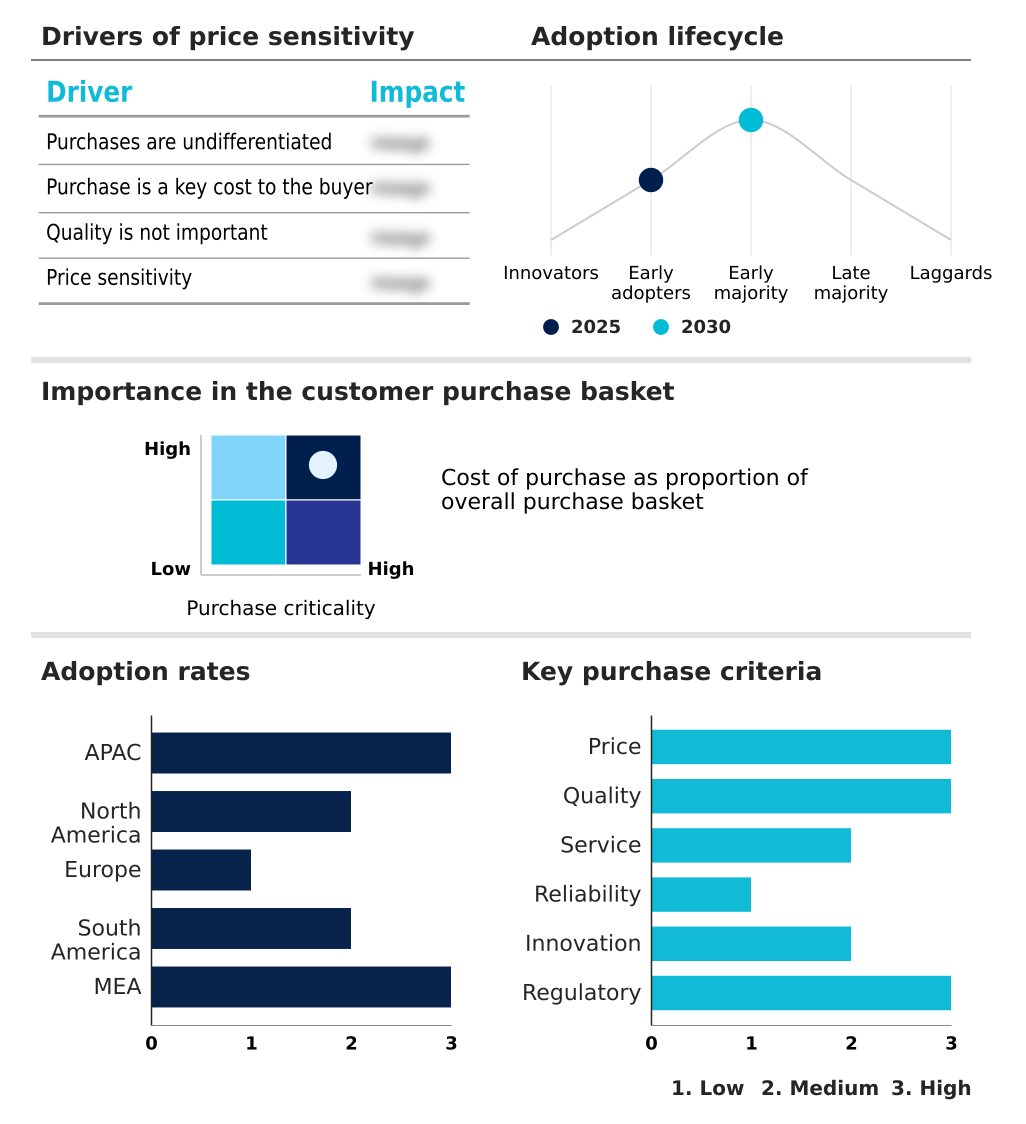
Customer Landscape of Water And Wastewater Treatment Chemicals Industry
Competitive Landscape
Companies are implementing various strategies, such as strategic alliances, water and wastewater treatment chemicals market forecast, partnerships, mergers and acquisitions, geographical expansion, and product/service launches, to enhance their presence in the industry.
Arkema Group - The vendor supplies high-performance specialty polymers, coagulant aids, and targeted scale inhibitors engineered to optimize solid-liquid separation and reduce operational fouling in advanced industrial and municipal treatment facilities.
The industry research and growth report includes detailed analyses of the competitive landscape of the market and information about key companies, including:
- Arkema Group
- BASF SE
- Buckman Laboratories
- Dow Chemical Co.
- DuPont de Nemours Inc.
- Ecolab Inc.
- Evonik Industries AG
- Feralco AB
- GEO Specialty Chemicals Inc.
- Hydrite Chemical Co.
- Innospec Inc.
- Italmatch Chemicals Spa
- Kemira Oyj
- Kurita Water Industries Ltd.
- Lanxess AG
- Nouryon Chemicals Holding B.V.
- SNF Group
- Solenis
- SUEZ SA
- The Mitsubishi Chemical Group
- Thermax Ltd.
- Veolia Environment SA
Qualitative and quantitative analysis of companies has been conducted to help clients understand the wider business environment as well as the strengths and weaknesses of key industry players. Data is qualitatively analyzed to categorize companies as pure play, category-focused, industry-focused, and diversified; it is quantitatively analyzed to categorize companies as dominant, leading, strong, tentative, and weak.
Recent Development and News in Water and wastewater treatment chemicals market
- In the Commodity Chemicals industry, the shift toward sustainable, bio-derived feedstocks altered standard polymer synthesis, directly impacting Water And Wastewater Treatment Chemicals demand by accelerating the commercial availability of biodegradable coagulants.
- The widespread adoption of closed-loop cooling technologies across high-density data centers concentrated heat-transfer fluid volumes, increasing the requirement for specialized non-corrosive additives within the Water And Wastewater Treatment Chemicals market.
- Stricter mandates on heavy metal discharge limits from mining operations forced chemical processors to upgrade precipitation agents, boosting the consumption of advanced flocculants in the Water And Wastewater Treatment Chemicals sector by over 15%.
- Supply chain constraints in chlor-alkali production restricted the output of conventional inorganic salts, prompting the Water And Wastewater Treatment Chemicals market to rapidly transition toward higher-efficiency synthetic organic polymers to maintain purification throughput.
Dive into Technavio’s robust research methodology, blending expert interviews, extensive data synthesis, and validated models for unparalleled Water And Wastewater Treatment Chemicals Market insights. See full methodology.
| Market Scope | |
|---|---|
| Page number | 319 |
| Base year | 2025 |
| Historic period | 2020-2024 |
| Forecast period | 2026-2030 |
| Growth momentum & CAGR | Accelerate at a CAGR of 6.9% |
| Market growth 2026-2030 | USD 24464.3 million |
| Market structure | Fragmented |
| YoY growth 2025-2026(%) | 6.5% |
| Key countries | China, India, Japan, South Korea, Australia, Indonesia, US, Canada, Mexico, Germany, UK, France, Italy, Spain, The Netherlands, Brazil, Argentina, Chile, Saudi Arabia, UAE, South Africa, Turkey and Israel |
| Competitive landscape | Leading Companies, Market Positioning of Companies, Competitive Strategies, and Industry Risks |
Research Analyst Overview
- The Water And Wastewater Treatment Chemicals is undergoing a rapid transition from basic commodity supply toward highly engineered, precision-driven fluid management solutions. Corporate boardroom decisions regarding environmental compliance and long-term asset protection now prioritize advanced chemical regimens over legacy treatments.
- For instance, the proactive deployment of dissolved oxygen scavengers in thermal processing circuits has demonstrated a 28% improvement in mitigating microbially induced corrosion, drastically extending the lifecycle of capital-intensive heat exchangers. By refining fundamental coagulation dynamics, modern treatment facilities achieve superior solid-liquid separation without excessively burdening downstream disposal networks.
- Industrial operators are increasingly implementing zero liquid discharge protocols to insulate their manufacturing supply chains from unpredictable freshwater shortages. To further optimize purification efficiency, utility managers are augmenting chemical regimens with ultraviolet disinfection systems and targeted biofilm formation control additives.
- This sophisticated integration of physical and chemical mechanisms allows industrial end-users to drastically lower their operational toxicity footprints while maintaining optimal plant throughput and adhering strictly to tightening global discharge mandates.
What are the Key Data Covered in this Water And Wastewater Treatment Chemicals Market Research and Growth Report?
-
What is the expected growth of the Water And Wastewater Treatment Chemicals Market between 2026 and 2030?
-
USD 24.46 billion, at a CAGR of 6.9%
-
-
What segmentation does the market report cover?
-
The report is segmented by Type (Coagulants and flocculants, Corrosion and scale inhibitors, Biocides and disinfectants, pH adjusters and softeners, and Others), Application (Municipality, Power generation, Pulp and paper, Metal and mining, and Others), Product Type (Synthetic, and Bio-based) and Geography (APAC, North America, Europe, South America, Middle East and Africa)
-
-
Which regions are analyzed in the report?
-
APAC, North America, Europe, South America and Middle East and Africa
-
-
What are the key growth drivers and market challenges?
-
Rapid urbanization and industrial effluent volume, Strict regulatory frameworks and disposal restrictions on chemical sludge
-
-
Who are the major players in the Water And Wastewater Treatment Chemicals Market?
-
Arkema Group, BASF SE, Buckman Laboratories, Dow Chemical Co., DuPont de Nemours Inc., Ecolab Inc., Evonik Industries AG, Feralco AB, GEO Specialty Chemicals Inc., Hydrite Chemical Co., Innospec Inc., Italmatch Chemicals Spa, Kemira Oyj, Kurita Water Industries Ltd., Lanxess AG, Nouryon Chemicals Holding B.V., SNF Group, Solenis, SUEZ SA, The Mitsubishi Chemical Group, Thermax Ltd. and Veolia Environment SA
-
Market Research Insights
- The Water And Wastewater Treatment Chemicals Market is fundamentally restructuring chemical procurement from a transactional supply model into a data-backed operational service. By deploying automated predictive dosing systems, utility boards have improved chemical utilization accuracy by 24%, effectively minimizing residual chemical waste.
- Treating complex industrial effluents requires sophisticated microbial suppression techniques, which have proven to reduce reverse osmosis biofouling incidents by nearly 30% annually. The transition toward eco-friendly phosphorus-free blends empowers industrial facilities to achieve rigorous regulatory compliance while maintaining high throughput.
- Integrating continuous quality monitoring networks ensures chemical dosages instantly adapt to transient pollution spikes, maximizing purification efficiency and reducing secondary sludge generation.
We can help! Our analysts can customize this water and wastewater treatment chemicals market research report to meet your requirements.
 RIA -