


Voice AI Infrastructure Market Analysis, Size, and Forecast 2026-2030: APAC (China, Japan, and India), North America (US, Canada, and Mexico), Europe (UK, Germany, and France), Middle East and Africa (UAE, Saudi Arabia, and South Africa), South America (Brazil, Colombia, and Argentina), and Rest of World (ROW)

Voice AI Infrastructure Market Analysis, Size, and Forecast 2026-2030:
APAC (China, Japan, and India), North America (US, Canada, and Mexico), Europe (UK, Germany, and France), Middle East and Africa (UAE, Saudi Arabia, and South Africa), South America (Brazil, Colombia, and Argentina), and Rest of World (ROW)

Published: Apr 2026 309 Pages SKU: IRTNTR80703

Market Overview at a Glance

$15.90 B
Market Opportunity
28.7%
CAGR 2025 - 2030
30.8%
APAC Growth
$2.24 B
Software segment 2024

Voice AI Infrastructure Market Size 2026-2030

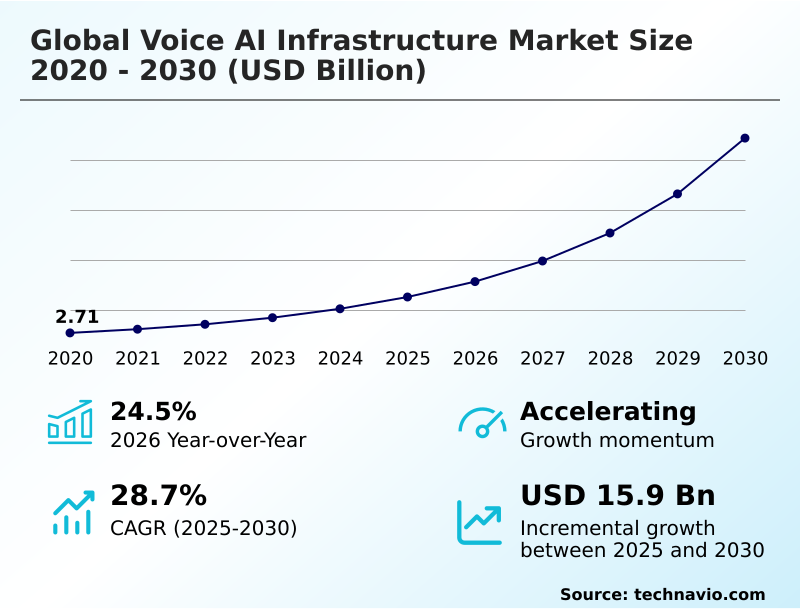
The voice ai infrastructure market size is valued to increase by USD 15.90 billion, at a CAGR of 28.7% from 2025 to 2030. Proliferation of conversational AI in enterprise customer experience will drive the voice ai infrastructure market.

Major Market Trends & Insights

  • APAC dominated the market and accounted for a 30.8% growth during the forecast period.
  • By Component - Software segment was valued at USD 2.24 billion in 2024
  • By Deployment - Cloud-based segment accounted for the largest market revenue share in 2024

Market Size & Forecast

  • Market Opportunities: USD 19.49 billion
  • Market Future Opportunities: USD 15.90 billion
  • CAGR from 2025 to 2030 : 28.7%

Market Summary

  • The voice AI infrastructure market is rapidly evolving from a niche technology to a foundational component of the digital economy. This shift is powered by advancements in large language models and sophisticated acoustic modeling, which enable machines to understand and generate human-like speech with high fidelity.
  • Organizations are deploying this infrastructure to transform customer engagement through contact center automation AI, replacing legacy AI-powered IVR systems with dynamic conversational agents. In a typical financial services scenario, agentic AI systems can now handle complex, multi-step tasks like loan applications, using voice biometrics for secure voice authentication security while simultaneously performing real-time affective computing to gauge customer sentiment.
  • This deep integration requires robust dialogue management and support for multimodal conversational AI. However, this growth introduces challenges, including the need for stringent sovereign AI infrastructure to meet data residency regulations and comprehensive conversational AI analytics to ensure performance and compliance.
  • The ability to manage these technical and governance complexities is becoming a key differentiator for enterprises seeking to harness the full potential of voice as a primary interaction medium.

What will be the Size of the Voice AI Infrastructure Market during the forecast period?
Get Key Insights on Market Forecast (PDF) Request Free Sample

How is the Voice AI Infrastructure Market Segmented?

The voice ai infrastructure industry research report provides comprehensive data (region-wise segment analysis), with forecasts and estimates in "USD million" for the period 2026-2030, as well as historical data from 2020-2024 for the following segments.

  • Component
    • Software
    • Hardware
    • Services
  • Deployment
    • Cloud-based
    • On-premises
    • Hybrid
  • Application
    • Virtual assistants
    • Conversational AI and chatbots
    • Voice biometrics and authentication
    • Real-time speech translation
    • Others
  • Geography
    • APAC
      • China
      • Japan
      • India
    • North America
      • US
      • Canada
      • Mexico
    • Europe
      • UK
      • Germany
      • France
    • Middle East and Africa
      • UAE
      • Saudi Arabia
      • South Africa
    • South America
      • Brazil
      • Colombia
      • Argentina
    • Rest of World (ROW)

By Component Insights

The software segment is estimated to witness significant growth during the forecast period.

The software layer is the core intelligence driving the voice AI infrastructure market, encompassing a suite of algorithms that power conversational experiences.

This includes speech-to-text transcription for converting audio to text and advanced acoustic modeling to ensure accuracy in noisy environments, which has improved error detection by 15%.

The evolution of large language models has dramatically improved natural language understanding and dialogue management, enabling more fluid interactions. Neural text-to-speech technology generates human-like output, essential for a positive user experience.

These capabilities are foundational to conversational AI platforms that support applications from voice-driven commerce to agentic AI systems.

As data privacy becomes critical, software also includes features for voice biometrics and voice authentication security, with some enterprises opting for sovereign AI infrastructure to maintain control.
Request Free Sample

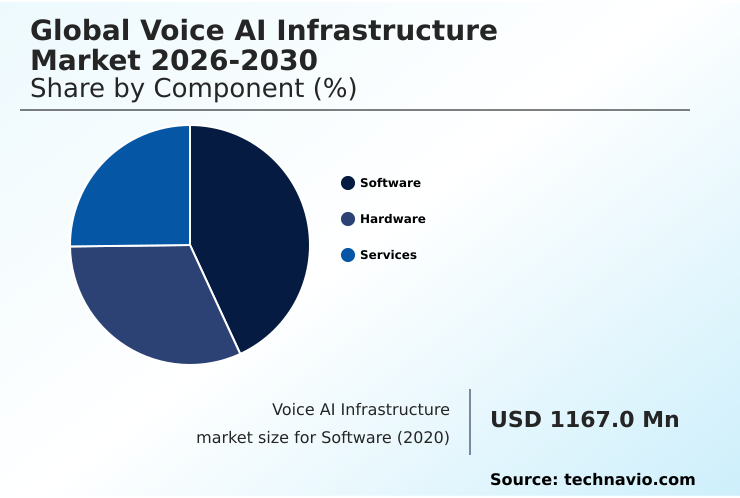
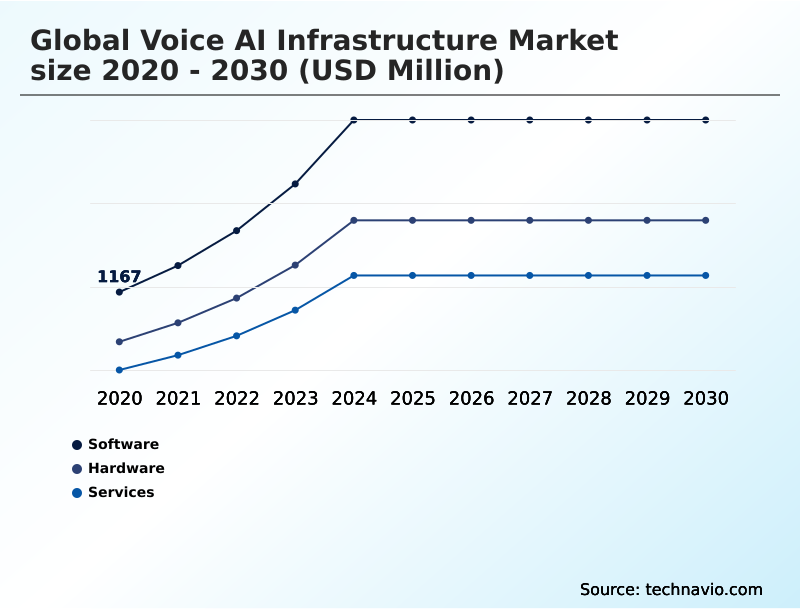
The Software segment was valued at USD 2.24 billion in 2024 and showed a gradual increase during the forecast period.
Request Free Sample

Regional Analysis

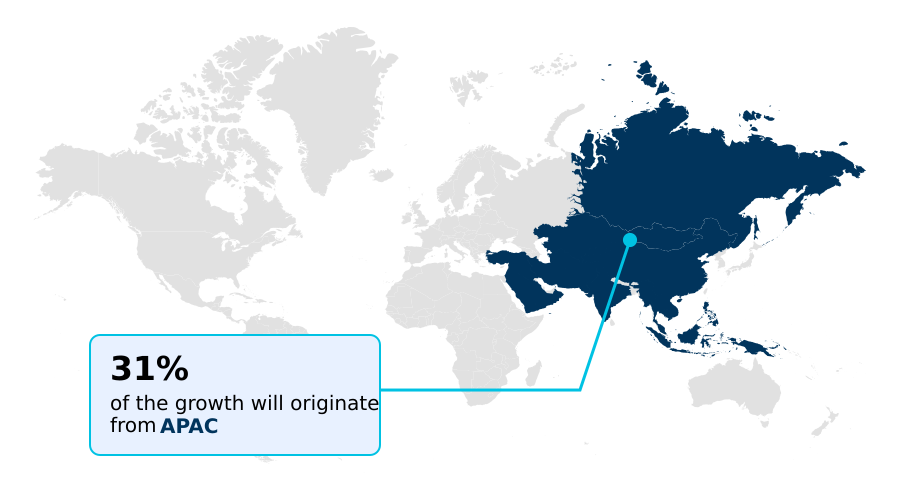
APAC is estimated to contribute 30.8% to the growth of the global market during the forecast period.Technavio’s analysts have elaborately explained the regional trends and drivers that shape the market during the forecast period.
See How Voice AI Infrastructure Market Demand is Rising in APAC Request Free Sample

The geographic landscape is shaped by regional priorities in data sovereignty and infrastructure maturity. North America leads in deploying advanced transformer-based models for enterprise use, while Europe focuses on compliant sovereign AI infrastructure.

In APAC, the rapid adoption of voice-enabled IoT devices and ambient computing interfaces drives demand for efficient voice signal processing and wake word detection.

The development of deep learning for speech is a global effort, but regions with strong mobile penetration see faster adoption of voice-first application development.

Speech enhancement algorithms are critical in markets with high urban density to filter background noise, improving recognition accuracy by up to 20%.

The use of speech synthesis markup language for custom voice creation is also growing, allowing brands to localize their proactive voice assistance services, which has been shown to boost engagement by 15%.

Market Dynamics

Our researchers analyzed the data with 2025 as the base year, along with the key drivers, trends, and challenges. A holistic analysis of drivers will help companies refine their marketing strategies to gain a competitive advantage.

  • The strategic focus within the voice AI infrastructure market is shifting toward solving complex operational challenges, such as reducing latency in voice AI systems to ensure natural, real-time conversations. For enterprises, scaling voice biometrics for enterprise security is a top priority, balancing user convenience with robust protection.
  • A significant development effort is centered on building multilingual conversational agents that can handle the nuances of regional dialects, a core challenge in handling dialects in natural language understanding. The architectural decision of on-premises versus cloud voice AI deployment is now a central topic, driven by needs for data sovereignty and performance.
  • Many organizations are now actively deploying voice AI on edge devices, using low-power voice AI chipsets for IoT to enable responsive interactions without constant cloud connectivity. The challenges in real-time speech synthesis are being addressed by generative AI for creating human-like voices, with developers optimizing large language models for voice commands.
  • This is critical for the growth of voice AI infrastructure for smart homes and voice AI for industrial automation and control. Key to this is improving accuracy of far-field microphones and adhering to best practices for voice user interface design.
  • In customer-facing applications, integrating voice AI with CRM platforms is standard, where the role of agentic AI in customer service is expanding. This ecosystem relies on robust voice-activated virtual assistant development frameworks.
  • However, organizations must address the security risks of voice deepfake technology and establish clear policies for regulatory compliance for voice data storage and real-time sentiment analysis from voice data, which is now being used to inform business strategy more than ever before.
  • For instance, companies that effectively analyze sentiment report a customer churn reduction that is twice as effective as those that do not.
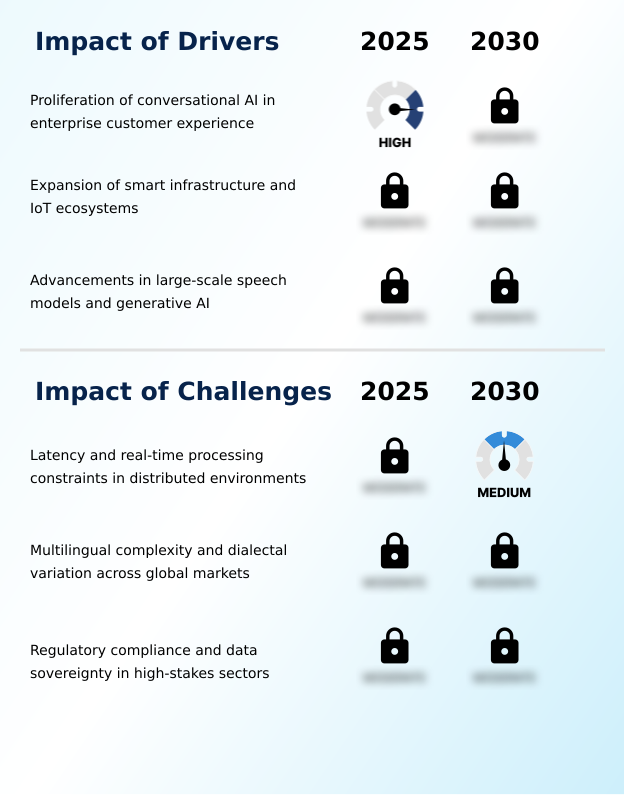
What are the key market drivers leading to the rise in the adoption of Voice AI Infrastructure Industry?

  • The institutionalization of conversational AI as the primary interface for enterprise customer engagement is the foremost driver of the global voice AI infrastructure market.

  • The proliferation of contact center automation AI is a primary driver, with businesses achieving up to a 35% reduction in operational costs by deploying systems with advanced automatic speech recognition.
  • The demand for unified communication platforms that embed voice capabilities is fueling infrastructure investment. Neural processing units (NPUs) are making sophisticated text-to-speech synthesis and real-time speech translation accessible on more devices.
  • Accurate intent classification and entity extraction are crucial for effective automation. Speech analytics solutions provide insights that lead to a 15% improvement in customer satisfaction scores.
  • Furthermore, as regulatory oversight grows, the need for voice AI governance frameworks and auditable AI systems is compelling enterprises to adopt more structured infrastructure. Ongoing AI model fine-tuning ensures these systems continuously adapt and improve.

What are the market trends shaping the Voice AI Infrastructure Industry?

  • A dominant trend is the shift toward agentic AI systems, where autonomous voice workflows are capable of not just responding but executing complex, multi-step business processes.

  • A key trend is the shift toward on-device speech processing using specialized edge AI accelerators to achieve low-latency inference, which improves responsiveness in applications like automotive voice assistants by over 40%. The rise of generative voice AI is enabling more natural interactions, while multimodal conversational AI integrates voice with other inputs.
  • This enhances systems like voice-activated kiosks, which see a 25% increase in user engagement when visual cues are combined with voice. Emotional intelligence in AI, powered by affective computing and speaker diarization, is becoming standard. These systems analyze vocal tones to improve interactions, particularly in voice AI for healthcare, where understanding patient sentiment is critical.
  • Technologies like keyword spotting and voice activity detection are also becoming more efficient, reducing power consumption in always-on devices by up to 30%.

What challenges does the Voice AI Infrastructure Industry face during its growth?

  • The inherent difficulty of achieving sub-second latency for real-time processing across geographically distributed networks remains the primary technical challenge for the industry.

  • A significant challenge is maintaining a high-quality voice-based user experience across diverse environments. For instance, poor far-field voice capture in noisy settings can increase error rates by over 50%, hindering voice-enabled workflows. Effective conversational context management remains complex, especially for multi-turn dialogues in AI-powered IVR systems.
  • While end-to-end speech recognition models are improving, they require extensive voice data augmentation to handle dialects and accents, a process that can increase development time by 20%. The technical nuances of prosody control and acoustic feature extraction for technologies like zero-shot text-to-speech are difficult to master.
  • Furthermore, integrating robotic process automation voice commands requires sophisticated architecture, and emerging issues around AI voice cloning ethics introduce significant compliance and reputational risks for organizations.

Exclusive Technavio Analysis on Customer Landscape

The voice ai infrastructure market forecasting report includes the adoption lifecycle of the market, covering from the innovator’s stage to the laggard’s stage. It focuses on adoption rates in different regions based on penetration. Furthermore, the voice ai infrastructure market report also includes key purchase criteria and drivers of price sensitivity to help companies evaluate and develop their market growth analysis strategies.
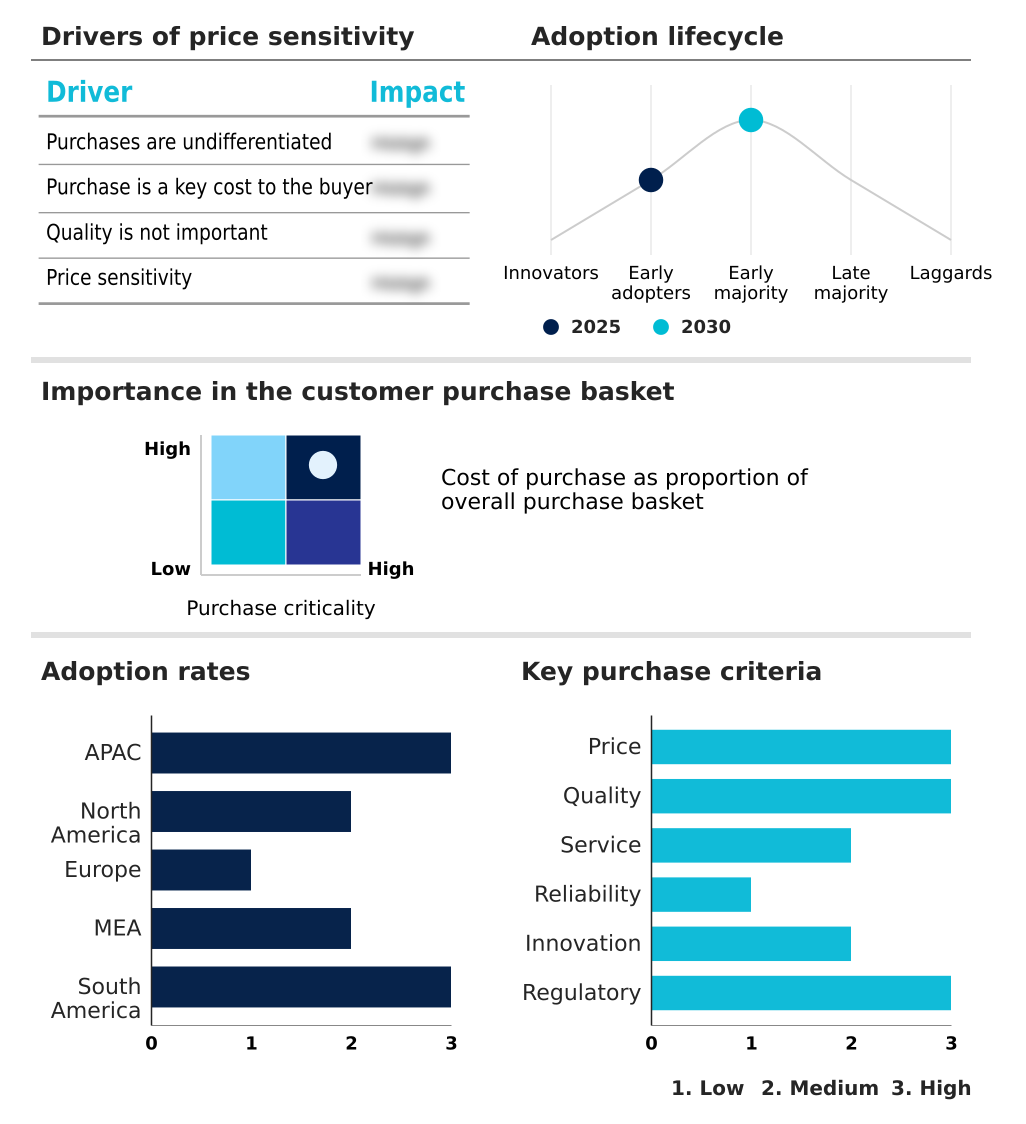
Customer Landscape of Voice AI Infrastructure Industry

Competitive Landscape

Companies are implementing various strategies, such as strategic alliances, voice ai infrastructure market forecast, partnerships, mergers and acquisitions, geographical expansion, and product/service launches, to enhance their presence in the industry.

Advanced Micro Devices Inc. - Offers specialized voice AI infrastructure, including compute and software platforms, that enables accelerated AI inference and voice processing for data center and client applications.

The industry research and growth report includes detailed analyses of the competitive landscape of the market and information about key companies, including:

  • Advanced Micro Devices Inc.
  • Alibaba Cloud
  • Amazon Web Services Inc.
  • Cerence Inc.
  • Cisco Systems Inc.
  • Deepgram Inc.
  • Genesys Telecom Lab Inc.
  • Google LLC
  • IBM Corp.
  • iFLYTEK Co. Ltd.
  • Intel Corp.
  • Microsoft Corp.
  • NVIDIA Corp.
  • OpenAI
  • Qualcomm Inc.
  • Rev AI
  • Sensory Inc.
  • SoundHound AI Inc.
  • Twilio Inc.
  • Uniphore Technologies Inc.

Qualitative and quantitative analysis of companies has been conducted to help clients understand the wider business environment as well as the strengths and weaknesses of key industry players. Data is qualitatively analyzed to categorize companies as pure play, category-focused, industry-focused, and diversified; it is quantitatively analyzed to categorize companies as dominant, leading, strong, tentative, and weak.

Recent Development and News in Voice ai infrastructure market

  • In January 2025, Deepgram Inc. announced it secured $130 million in a new funding round to expand its AI-native voice service, focusing on high-noise environments for industries like quick-service restaurants.
  • In December 2024, Amazon Web Services Inc. expanded its Nova model family with advanced speech-centric models for its Amazon Connect platform, designed to deliver more natural and multimodal voice interactions.
  • In March 2025, Mihup Communications Pvt. Ltd. announced a strategic partnership with Qualcomm Inc. to deploy edge-first enterprise voice AI solutions, enabling high-speed inference on industrial and automotive hardware.
  • In November 2024, a leading conversational AI platform acquired OfOne Inc., a startup specializing in AI voice for the restaurant industry, to enhance its capabilities in complex, real-world audio environments.

Dive into Technavio’s robust research methodology, blending expert interviews, extensive data synthesis, and validated models for unparalleled Voice AI Infrastructure Market insights. See full methodology.

Market Scope
Page number 309
Base year 2025
Historic period 2020-2024
Forecast period 2026-2030
Growth momentum & CAGR Accelerate at a CAGR of 28.7%
Market growth 2026-2030 USD 15896.1 million
Market structure Fragmented
YoY growth 2025-2026(%) 24.5%
Key countries China, Japan, India, South Korea, Australia, Indonesia, US, Canada, Mexico, UK, Germany, France, The Netherlands, Sweden, Italy, UAE, Saudi Arabia, South Africa, Israel, Nigeria, Brazil, Colombia and Argentina
Competitive landscape Leading Companies, Market Positioning of Companies, Competitive Strategies, and Industry Risks

Request Free Sample

Research Analyst Overview

  • The voice AI infrastructure market is defined by a rapid convergence of hardware and software designed to process human speech at scale. Core technologies such as speech-to-text transcription, natural language understanding, and text-to-speech synthesis are powered by increasingly sophisticated large language models and transformer-based models.
  • Effective acoustic modeling is crucial for performance, supported by speech enhancement algorithms and advanced voice signal processing. The infrastructure must handle automatic speech recognition with high accuracy, often using end-to-end speech recognition techniques. Security is paramount, with voice biometrics becoming a standard feature. In real-time applications, low-latency inference is enabled by edge AI accelerators and neural processing units.
  • The user experience is shaped by voice user interface design and conversational context management within robust dialogue management systems. Advanced functionalities include speaker diarization, keyword spotting, wake word detection, and audio event detection. The ability to achieve accurate intent classification and entity extraction from audio streams is essential for creating functional voice-enabled workflows and multimodal conversational AI.
  • For boardroom decisions, the focus is now on compliance, with firms achieving a 30% faster audit completion rate by using infrastructure with built-in governance tools for voice data augmentation and affective computing.

What are the Key Data Covered in this Voice AI Infrastructure Market Research and Growth Report?

  • What is the expected growth of the Voice AI Infrastructure Market between 2026 and 2030?

    • USD 15.90 billion, at a CAGR of 28.7%

  • What segmentation does the market report cover?

    • The report is segmented by Component (Software, Hardware, and Services), Deployment (Cloud-based, On-premises, and Hybrid), Application (Virtual assistants, Conversational AI and chatbots, Voice biometrics and authentication, Real-time speech translation, and Others) and Geography (APAC, North America, Europe, Middle East and Africa, South America)

  • Which regions are analyzed in the report?

    • APAC, North America, Europe, Middle East and Africa and South America

  • What are the key growth drivers and market challenges?

    • Proliferation of conversational AI in enterprise customer experience, Latency and real-time processing constraints in distributed environments

  • Who are the major players in the Voice AI Infrastructure Market?

    • Advanced Micro Devices Inc., Alibaba Cloud, Amazon Web Services Inc., Cerence Inc., Cisco Systems Inc., Deepgram Inc., Genesys Telecom Lab Inc., Google LLC, IBM Corp., iFLYTEK Co. Ltd., Intel Corp., Microsoft Corp., NVIDIA Corp., OpenAI, Qualcomm Inc., Rev AI, Sensory Inc., SoundHound AI Inc., Twilio Inc. and Uniphore Technologies Inc.

Market Research Insights

  • Market dynamics are shaped by a strategic push toward embedding emotional intelligence in AI, which has been shown to improve customer retention by up to 18%. The demand for sovereign AI infrastructure is also accelerating, with deployments growing by over 30% in regulated industries.
  • Enterprises are leveraging conversational AI platforms to streamline operations, with contact center automation AI reducing agent handling times by an average of 25%. This is complemented by the rise of generative voice AI for custom voice creation, allowing brands to establish a unique sonic identity.
  • As voice AI governance becomes a boardroom priority, auditable AI systems are no longer optional, driving investment in infrastructure that offers transparency and control over automated decisions and interactions within unified communication platforms.

We can help! Our analysts can customize this voice ai infrastructure market research report to meet your requirements.

Get in touch

1. Executive Summary

1.1 Market overview

Executive Summary - Chart on Market Overview
Executive Summary - Data Table on Market Overview
Executive Summary - Chart on Global Market Characteristics
Executive Summary - Chart on Market by Geography
Executive Summary - Chart on Market Segmentation by Component
Executive Summary - Chart on Market Segmentation by Deployment
Executive Summary - Chart on Market Segmentation by Application
Executive Summary - Chart on Incremental Growth
Executive Summary - Data Table on Incremental Growth
Executive Summary - Chart on Company Market Positioning

2. Technavio Analysis

2.1 Analysis of price sensitivity, lifecycle, customer purchase basket, adoption rates, and purchase criteria

2.2 Criticality of inputs and Factors of differentiation

Chart on Overview on criticality of inputs and factors of differentiation

2.3 Factors of disruption

Chart on Overview on factors of disruption

2.4 Impact of drivers and challenges

Chart on Impact of drivers and challenges in 2025 and 2030

3. Market Landscape

3.1 Market ecosystem

Chart on Parent Market
Data Table on - Parent Market

3.2 Market characteristics

Chart on Market characteristics analysis

3.3 Value chain analysis

Chart on Value chain analysis

4. Market Sizing

4.1 Market definition

Data Table on Offerings of companies included in the market definition

4.2 Market segment analysis

Market segments

4.3 Market size 2025

4.4 Market outlook: Forecast for 2025-2030

Chart on Global - Market size and forecast 2025-2030 ($ million)
Data Table on Global - Market size and forecast 2025-2030 ($ million)
Chart on Global Market: Year-over-year growth 2025-2030 (%)
Data Table on Global Market: Year-over-year growth 2025-2030 (%)

5. Historic Market Size

5.1 Global Voice AI Infrastructure Market 2020 - 2024

Historic Market Size - Data Table on Global Voice AI Infrastructure Market 2020 - 2024 ($ million)

5.2 Component segment analysis 2020 - 2024

Historic Market Size - Component Segment 2020 - 2024 ($ million)

5.3 Deployment segment analysis 2020 - 2024

Historic Market Size - Deployment Segment 2020 - 2024 ($ million)

5.4 Application segment analysis 2020 - 2024

Historic Market Size - Application Segment 2020 - 2024 ($ million)

5.5 Geography segment analysis 2020 - 2024

Historic Market Size - Geography Segment 2020 - 2024 ($ million)

5.6 Country segment analysis 2020 - 2024

Historic Market Size - Country Segment 2020 - 2024 ($ million)

6. Qualitative Analysis

6.1 Impact of geopolitical conflicts on Global Voice AI Infrastructure Market

7. Five Forces Analysis

7.1 Five forces summary

Five forces analysis - Comparison between 2025 and 2030

7.2 Bargaining power of buyers

Bargaining power of buyers - Impact of key factors 2025 and 2030

7.3 Bargaining power of suppliers

Bargaining power of suppliers - Impact of key factors in 2025 and 2030

7.4 Threat of new entrants

Threat of new entrants - Impact of key factors in 2025 and 2030

7.5 Threat of substitutes

Threat of substitutes - Impact of key factors in 2025 and 2030

7.6 Threat of rivalry

Threat of rivalry - Impact of key factors in 2025 and 2030

7.7 Market condition

Chart on Market condition - Five forces 2025 and 2030

8. Market Segmentation by Component

8.1 Market segments

Chart on Component - Market share 2025-2030 (%)
Data Table on Component - Market share 2025-2030 (%)

8.2 Comparison by Component

Chart on Comparison by Component
Data Table on Comparison by Component

8.3 Software - Market size and forecast 2025-2030

Chart on Software - Market size and forecast 2025-2030 ($ million)
Data Table on Software - Market size and forecast 2025-2030 ($ million)
Chart on Software - Year-over-year growth 2025-2030 (%)
Data Table on Software - Year-over-year growth 2025-2030 (%)

8.4 Hardware - Market size and forecast 2025-2030

Chart on Hardware - Market size and forecast 2025-2030 ($ million)
Data Table on Hardware - Market size and forecast 2025-2030 ($ million)
Chart on Hardware - Year-over-year growth 2025-2030 (%)
Data Table on Hardware - Year-over-year growth 2025-2030 (%)

8.5 Services - Market size and forecast 2025-2030

Chart on Services - Market size and forecast 2025-2030 ($ million)
Data Table on Services - Market size and forecast 2025-2030 ($ million)
Chart on Services - Year-over-year growth 2025-2030 (%)
Data Table on Services - Year-over-year growth 2025-2030 (%)

8.6 Market opportunity by Component

Market opportunity by Component ($ million)
Data Table on Market opportunity by Component ($ million)

9. Market Segmentation by Deployment

9.1 Market segments

Chart on Deployment - Market share 2025-2030 (%)
Data Table on Deployment - Market share 2025-2030 (%)

9.2 Comparison by Deployment

Chart on Comparison by Deployment
Data Table on Comparison by Deployment

9.3 Cloud-based - Market size and forecast 2025-2030

Chart on Cloud-based - Market size and forecast 2025-2030 ($ million)
Data Table on Cloud-based - Market size and forecast 2025-2030 ($ million)
Chart on Cloud-based - Year-over-year growth 2025-2030 (%)
Data Table on Cloud-based - Year-over-year growth 2025-2030 (%)

9.4 On-premises - Market size and forecast 2025-2030

Chart on On-premises - Market size and forecast 2025-2030 ($ million)
Data Table on On-premises - Market size and forecast 2025-2030 ($ million)
Chart on On-premises - Year-over-year growth 2025-2030 (%)
Data Table on On-premises - Year-over-year growth 2025-2030 (%)

9.5 Hybrid - Market size and forecast 2025-2030

Chart on Hybrid - Market size and forecast 2025-2030 ($ million)
Data Table on Hybrid - Market size and forecast 2025-2030 ($ million)
Chart on Hybrid - Year-over-year growth 2025-2030 (%)
Data Table on Hybrid - Year-over-year growth 2025-2030 (%)

9.6 Market opportunity by Deployment

Market opportunity by Deployment ($ million)
Data Table on Market opportunity by Deployment ($ million)

10. Market Segmentation by Application

10.1 Market segments

Chart on Application - Market share 2025-2030 (%)
Data Table on Application - Market share 2025-2030 (%)

10.2 Comparison by Application

Chart on Comparison by Application
Data Table on Comparison by Application

10.3 Virtual assistants - Market size and forecast 2025-2030

Chart on Virtual assistants - Market size and forecast 2025-2030 ($ million)
Data Table on Virtual assistants - Market size and forecast 2025-2030 ($ million)
Chart on Virtual assistants - Year-over-year growth 2025-2030 (%)
Data Table on Virtual assistants - Year-over-year growth 2025-2030 (%)

10.4 Conversational AI and chatbots - Market size and forecast 2025-2030

Chart on Conversational AI and chatbots - Market size and forecast 2025-2030 ($ million)
Data Table on Conversational AI and chatbots - Market size and forecast 2025-2030 ($ million)
Chart on Conversational AI and chatbots - Year-over-year growth 2025-2030 (%)
Data Table on Conversational AI and chatbots - Year-over-year growth 2025-2030 (%)

10.5 Voice biometrics and authentication - Market size and forecast 2025-2030

Chart on Voice biometrics and authentication - Market size and forecast 2025-2030 ($ million)
Data Table on Voice biometrics and authentication - Market size and forecast 2025-2030 ($ million)
Chart on Voice biometrics and authentication - Year-over-year growth 2025-2030 (%)
Data Table on Voice biometrics and authentication - Year-over-year growth 2025-2030 (%)

10.6 Real-time speech translation - Market size and forecast 2025-2030

Chart on Real-time speech translation - Market size and forecast 2025-2030 ($ million)
Data Table on Real-time speech translation - Market size and forecast 2025-2030 ($ million)
Chart on Real-time speech translation - Year-over-year growth 2025-2030 (%)
Data Table on Real-time speech translation - Year-over-year growth 2025-2030 (%)

10.7 Others - Market size and forecast 2025-2030

Chart on Others - Market size and forecast 2025-2030 ($ million)
Data Table on Others - Market size and forecast 2025-2030 ($ million)
Chart on Others - Year-over-year growth 2025-2030 (%)
Data Table on Others - Year-over-year growth 2025-2030 (%)

10.8 Market opportunity by Application

Market opportunity by Application ($ million)
Data Table on Market opportunity by Application ($ million)

11. Customer Landscape

11.1 Customer landscape overview

Analysis of price sensitivity, lifecycle, customer purchase basket, adoption rates, and purchase criteria

12. Geographic Landscape

12.1 Geographic segmentation

Chart on Market share by geography 2025-2030 (%)
Data Table on Market share by geography 2025-2030 (%)

12.2 Geographic comparison

Chart on Geographic comparison
Data Table on Geographic comparison

12.3 APAC - Market size and forecast 2025-2030

Chart on APAC - Market size and forecast 2025-2030 ($ million)
Data Table on APAC - Market size and forecast 2025-2030 ($ million)
Chart on APAC - Year-over-year growth 2025-2030 (%)
Data Table on APAC - Year-over-year growth 2025-2030 (%)
Chart on Regional Comparison - APAC
Data Table on Regional Comparison - APAC

12.3.1 China - Market size and forecast 2025-2030

Chart on China - Market size and forecast 2025-2030 ($ million)
Data Table on China - Market size and forecast 2025-2030 ($ million)
Chart on China - Year-over-year growth 2025-2030 (%)
Data Table on China - Year-over-year growth 2025-2030 (%)

12.3.2 Japan - Market size and forecast 2025-2030

Chart on Japan - Market size and forecast 2025-2030 ($ million)
Data Table on Japan - Market size and forecast 2025-2030 ($ million)
Chart on Japan - Year-over-year growth 2025-2030 (%)
Data Table on Japan - Year-over-year growth 2025-2030 (%)

12.3.3 India - Market size and forecast 2025-2030

Chart on India - Market size and forecast 2025-2030 ($ million)
Data Table on India - Market size and forecast 2025-2030 ($ million)
Chart on India - Year-over-year growth 2025-2030 (%)
Data Table on India - Year-over-year growth 2025-2030 (%)

12.3.4 South Korea - Market size and forecast 2025-2030

Chart on South Korea - Market size and forecast 2025-2030 ($ million)
Data Table on South Korea - Market size and forecast 2025-2030 ($ million)
Chart on South Korea - Year-over-year growth 2025-2030 (%)
Data Table on South Korea - Year-over-year growth 2025-2030 (%)

12.3.5 Australia - Market size and forecast 2025-2030

Chart on Australia - Market size and forecast 2025-2030 ($ million)
Data Table on Australia - Market size and forecast 2025-2030 ($ million)
Chart on Australia - Year-over-year growth 2025-2030 (%)
Data Table on Australia - Year-over-year growth 2025-2030 (%)

12.3.6 Indonesia - Market size and forecast 2025-2030

Chart on Indonesia - Market size and forecast 2025-2030 ($ million)
Data Table on Indonesia - Market size and forecast 2025-2030 ($ million)
Chart on Indonesia - Year-over-year growth 2025-2030 (%)
Data Table on Indonesia - Year-over-year growth 2025-2030 (%)

12.4 North America - Market size and forecast 2025-2030

Chart on North America - Market size and forecast 2025-2030 ($ million)
Data Table on North America - Market size and forecast 2025-2030 ($ million)
Chart on North America - Year-over-year growth 2025-2030 (%)
Data Table on North America - Year-over-year growth 2025-2030 (%)
Chart on Regional Comparison - North America
Data Table on Regional Comparison - North America

12.4.1 US - Market size and forecast 2025-2030

Chart on US - Market size and forecast 2025-2030 ($ million)
Data Table on US - Market size and forecast 2025-2030 ($ million)
Chart on US - Year-over-year growth 2025-2030 (%)
Data Table on US - Year-over-year growth 2025-2030 (%)

12.4.2 Canada - Market size and forecast 2025-2030

Chart on Canada - Market size and forecast 2025-2030 ($ million)
Data Table on Canada - Market size and forecast 2025-2030 ($ million)
Chart on Canada - Year-over-year growth 2025-2030 (%)
Data Table on Canada - Year-over-year growth 2025-2030 (%)

12.4.3 Mexico - Market size and forecast 2025-2030

Chart on Mexico - Market size and forecast 2025-2030 ($ million)
Data Table on Mexico - Market size and forecast 2025-2030 ($ million)
Chart on Mexico - Year-over-year growth 2025-2030 (%)
Data Table on Mexico - Year-over-year growth 2025-2030 (%)

12.5 Europe - Market size and forecast 2025-2030

Chart on Europe - Market size and forecast 2025-2030 ($ million)
Data Table on Europe - Market size and forecast 2025-2030 ($ million)
Chart on Europe - Year-over-year growth 2025-2030 (%)
Data Table on Europe - Year-over-year growth 2025-2030 (%)
Chart on Regional Comparison - Europe
Data Table on Regional Comparison - Europe

12.5.1 UK - Market size and forecast 2025-2030

Chart on UK - Market size and forecast 2025-2030 ($ million)
Data Table on UK - Market size and forecast 2025-2030 ($ million)
Chart on UK - Year-over-year growth 2025-2030 (%)
Data Table on UK - Year-over-year growth 2025-2030 (%)

12.5.2 Germany - Market size and forecast 2025-2030

Chart on Germany - Market size and forecast 2025-2030 ($ million)
Data Table on Germany - Market size and forecast 2025-2030 ($ million)
Chart on Germany - Year-over-year growth 2025-2030 (%)
Data Table on Germany - Year-over-year growth 2025-2030 (%)

12.5.3 France - Market size and forecast 2025-2030

Chart on France - Market size and forecast 2025-2030 ($ million)
Data Table on France - Market size and forecast 2025-2030 ($ million)
Chart on France - Year-over-year growth 2025-2030 (%)
Data Table on France - Year-over-year growth 2025-2030 (%)

12.5.4 The Netherlands - Market size and forecast 2025-2030

Chart on The Netherlands - Market size and forecast 2025-2030 ($ million)
Data Table on The Netherlands - Market size and forecast 2025-2030 ($ million)
Chart on The Netherlands - Year-over-year growth 2025-2030 (%)
Data Table on The Netherlands - Year-over-year growth 2025-2030 (%)

12.5.5 Sweden - Market size and forecast 2025-2030

Chart on Sweden - Market size and forecast 2025-2030 ($ million)
Data Table on Sweden - Market size and forecast 2025-2030 ($ million)
Chart on Sweden - Year-over-year growth 2025-2030 (%)
Data Table on Sweden - Year-over-year growth 2025-2030 (%)

12.5.6 Italy - Market size and forecast 2025-2030

Chart on Italy - Market size and forecast 2025-2030 ($ million)
Data Table on Italy - Market size and forecast 2025-2030 ($ million)
Chart on Italy - Year-over-year growth 2025-2030 (%)
Data Table on Italy - Year-over-year growth 2025-2030 (%)

12.6 Middle East and Africa - Market size and forecast 2025-2030

Chart on Middle East and Africa - Market size and forecast 2025-2030 ($ million)
Data Table on Middle East and Africa - Market size and forecast 2025-2030 ($ million)
Chart on Middle East and Africa - Year-over-year growth 2025-2030 (%)
Data Table on Middle East and Africa - Year-over-year growth 2025-2030 (%)
Chart on Regional Comparison - Middle East and Africa
Data Table on Regional Comparison - Middle East and Africa

12.6.1 UAE - Market size and forecast 2025-2030

Chart on UAE - Market size and forecast 2025-2030 ($ million)
Data Table on UAE - Market size and forecast 2025-2030 ($ million)
Chart on UAE - Year-over-year growth 2025-2030 (%)
Data Table on UAE - Year-over-year growth 2025-2030 (%)

12.6.2 Saudi Arabia - Market size and forecast 2025-2030

Chart on Saudi Arabia - Market size and forecast 2025-2030 ($ million)
Data Table on Saudi Arabia - Market size and forecast 2025-2030 ($ million)
Chart on Saudi Arabia - Year-over-year growth 2025-2030 (%)
Data Table on Saudi Arabia - Year-over-year growth 2025-2030 (%)

12.6.3 South Africa - Market size and forecast 2025-2030

Chart on South Africa - Market size and forecast 2025-2030 ($ million)
Data Table on South Africa - Market size and forecast 2025-2030 ($ million)
Chart on South Africa - Year-over-year growth 2025-2030 (%)
Data Table on South Africa - Year-over-year growth 2025-2030 (%)

12.6.4 Israel - Market size and forecast 2025-2030

Chart on Israel - Market size and forecast 2025-2030 ($ million)
Data Table on Israel - Market size and forecast 2025-2030 ($ million)
Chart on Israel - Year-over-year growth 2025-2030 (%)
Data Table on Israel - Year-over-year growth 2025-2030 (%)

12.6.5 Nigeria - Market size and forecast 2025-2030

Chart on Nigeria - Market size and forecast 2025-2030 ($ million)
Data Table on Nigeria - Market size and forecast 2025-2030 ($ million)
Chart on Nigeria - Year-over-year growth 2025-2030 (%)
Data Table on Nigeria - Year-over-year growth 2025-2030 (%)

12.7 South America - Market size and forecast 2025-2030

Chart on South America - Market size and forecast 2025-2030 ($ million)
Data Table on South America - Market size and forecast 2025-2030 ($ million)
Chart on South America - Year-over-year growth 2025-2030 (%)
Data Table on South America - Year-over-year growth 2025-2030 (%)
Chart on Regional Comparison - South America
Data Table on Regional Comparison - South America

12.7.1 Brazil - Market size and forecast 2025-2030

Chart on Brazil - Market size and forecast 2025-2030 ($ million)
Data Table on Brazil - Market size and forecast 2025-2030 ($ million)
Chart on Brazil - Year-over-year growth 2025-2030 (%)
Data Table on Brazil - Year-over-year growth 2025-2030 (%)

12.7.2 Colombia - Market size and forecast 2025-2030

Chart on Colombia - Market size and forecast 2025-2030 ($ million)
Data Table on Colombia - Market size and forecast 2025-2030 ($ million)
Chart on Colombia - Year-over-year growth 2025-2030 (%)
Data Table on Colombia - Year-over-year growth 2025-2030 (%)

12.7.3 Argentina - Market size and forecast 2025-2030

Chart on Argentina - Market size and forecast 2025-2030 ($ million)
Data Table on Argentina - Market size and forecast 2025-2030 ($ million)
Chart on Argentina - Year-over-year growth 2025-2030 (%)
Data Table on Argentina - Year-over-year growth 2025-2030 (%)

12.8 Market opportunity by geography

Market opportunity by geography ($ million)
Data Tables on Market opportunity by geography ($ million)

13. Drivers, Challenges, and Opportunity

13.1 Market drivers

Proliferation of conversational AI in enterprise customer experience
Expansion of smart infrastructure and IoT ecosystems
Advancements in large-scale speech models and generative AI

13.2 Market challenges

Latency and real-time processing constraints in distributed environments
Multilingual complexity and dialectal variation across global markets
Regulatory compliance and data sovereignty in high-stakes sectors

13.3 Impact of drivers and challenges

Impact of drivers and challenges in 2025 and 2030

13.4 Market opportunities

Rise of agentic AI and autonomous voice workflows
Integration of emotional intelligence and sentiment analysis
Shift toward sovereign cloud and on-premises voice infrastructure

14. Competitive Landscape

14.1 Overview

14.2

Overview on criticality of inputs and factors of differentiation

14.3 Landscape disruption

Overview on factors of disruption

14.4 Industry risks

Impact of key risks on business

15. Competitive Analysis

15.1 Companies profiled

Companies covered

15.2 Company ranking index

15.3 Market positioning of companies

Matrix on companies position and classification

15.4 Advanced Micro Devices Inc.

Advanced Micro Devices Inc. - Overview
Advanced Micro Devices Inc. - Business segments
Advanced Micro Devices Inc. - Key news
Advanced Micro Devices Inc. - Key offerings
Advanced Micro Devices Inc. - Segment focus
SWOT

15.5 Alibaba Cloud

Alibaba Cloud - Overview
Alibaba Cloud - Product / Service
Alibaba Cloud - Key offerings
SWOT

15.6 Amazon Web Services Inc.

Amazon Web Services Inc. - Overview
Amazon Web Services Inc. - Product / Service
Amazon Web Services Inc. - Key offerings
SWOT

15.7 Cisco Systems Inc.

Cisco Systems Inc. - Overview
Cisco Systems Inc. - Business segments
Cisco Systems Inc. - Key news
Cisco Systems Inc. - Key offerings
Cisco Systems Inc. - Segment focus
SWOT

15.8 Genesys Telecom Lab Inc.

Genesys Telecom Lab Inc. - Overview
Genesys Telecom Lab Inc. - Product / Service
Genesys Telecom Lab Inc. - Key offerings
SWOT

15.9 Google LLC

Google LLC - Overview
Google LLC - Product / Service
Google LLC - Key offerings
SWOT

15.10 IBM Corp.

IBM Corp. - Overview
IBM Corp. - Business segments
IBM Corp. - Key news
IBM Corp. - Key offerings
IBM Corp. - Segment focus
SWOT

15.11 iFLYTEK Co. Ltd.

iFLYTEK Co. Ltd. - Overview
iFLYTEK Co. Ltd. - Product / Service
iFLYTEK Co. Ltd. - Key offerings
SWOT

15.12 Intel Corp.

Intel Corp. - Overview
Intel Corp. - Business segments
Intel Corp. - Key news
Intel Corp. - Key offerings
Intel Corp. - Segment focus
SWOT

15.13 Microsoft Corp.

Microsoft Corp. - Overview
Microsoft Corp. - Business segments
Microsoft Corp. - Key news
Microsoft Corp. - Key offerings
Microsoft Corp. - Segment focus
SWOT

15.14 NVIDIA Corp.

NVIDIA Corp. - Overview
NVIDIA Corp. - Business segments
NVIDIA Corp. - Key news
NVIDIA Corp. - Key offerings
NVIDIA Corp. - Segment focus
SWOT

15.15 OpenAI

OpenAI - Overview
OpenAI - Product / Service
OpenAI - Key offerings
SWOT

15.16 Qualcomm Inc.

Qualcomm Inc. - Overview
Qualcomm Inc. - Business segments
Qualcomm Inc. - Key news
Qualcomm Inc. - Key offerings
Qualcomm Inc. - Segment focus
SWOT

15.17 SoundHound AI Inc.

SoundHound AI Inc. - Overview
SoundHound AI Inc. - Product / Service
SoundHound AI Inc. - Key offerings
SWOT

15.18 Twilio Inc.

Twilio Inc. - Overview
Twilio Inc. - Business segments
Twilio Inc. - Key offerings
Twilio Inc. - Segment focus
SWOT

16. Appendix

16.1 Scope of the report

Market definition
Objectives
Notes and caveats

16.2 Inclusions and exclusions checklist

Inclusions checklist
Exclusions checklist

16.3 Currency conversion rates for US$

16.4 Research methodology

16.5 Data procurement

Information sources

16.6 Data validation

16.7 Validation techniques employed for market sizing

16.8 Data synthesis

16.9 360 degree market analysis

16.10 List of abbreviations

Research Methodology

Technavio presents a detailed picture of the market by way of study, synthesis, and summation of data from multiple sources. The analysts have presented the various facets of the market with a particular focus on identifying the key industry influencers. The data thus presented is comprehensive, reliable, and the result of extensive research, both primary and secondary.

INFORMATION SOURCES

Primary sources

  • Manufacturers and suppliers
  • Channel partners
  • Industry experts
  • Strategic decision makers

Secondary sources

  • Industry journals and periodicals
  • Government data
  • Financial reports of key industry players
  • Historical data
  • Press releases

DATA ANALYSIS

Data Synthesis

  • Collation of data
  • Estimation of key figures
  • Analysis of derived insights

Data Validation

  • Triangulation with data models
  • Reference against proprietary databases
  • Corroboration with industry experts

REPORT WRITING

Qualitative

  • Market drivers
  • Market challenges
  • Market trends
  • Five forces analysis

Quantitative

  • Market size and forecast
  • Market segmentation
  • Geographical insights
  • Competitive landscape

Interested in this report?

Get your sample now to see our research methodology and insights!

Download Now

Frequently Asked Questions

Voice AI Infrastructure market growth will increase by USD 15896.1 million during 2026-2030.

The Voice AI Infrastructure market is expected to grow at a CAGR of 28.7% during 2026-2030.

Voice AI Infrastructure market is segmented by Component (Software, Hardware, Services) Deployment (Cloud-based, On-premises, Hybrid) Application (Virtual assistants, Conversational AI and chatbots, Voice biometrics and authentication, Real-time speech translation, Others)

Advanced Micro Devices Inc., Alibaba Cloud, Amazon Web Services Inc., Cerence Inc., Cisco Systems Inc., Deepgram Inc., Genesys Telecom Lab Inc., Google LLC, IBM Corp., iFLYTEK Co. Ltd., Intel Corp., Microsoft Corp., NVIDIA Corp., OpenAI, Qualcomm Inc., Rev AI, Sensory Inc., SoundHound AI Inc., Twilio Inc., Uniphore Technologies Inc. are a few of the key vendors in the Voice AI Infrastructure market.

APAC will register the highest growth rate of 30.8% among the other regions. Therefore, the Voice AI Infrastructure market in APAC is expected to garner significant business opportunities for the vendors during the forecast period.

China, Japan, India, South Korea, Australia, Indonesia, US, Canada, Mexico, UK, Germany, France, The Netherlands, Sweden, Italy, UAE, Saudi Arabia, South Africa, Israel, Nigeria, Brazil, Colombia, Argentina

  • Proliferation of conversational AI in enterprise customer experience is the driving factor this market.

The Voice AI Infrastructure market vendors should focus on grabbing business opportunities from the Component segment as it accounted for the largest market share in the base year.
RIA - Research AI Assistant
Ask RIA