

Surfactants Market Size 2026-2030
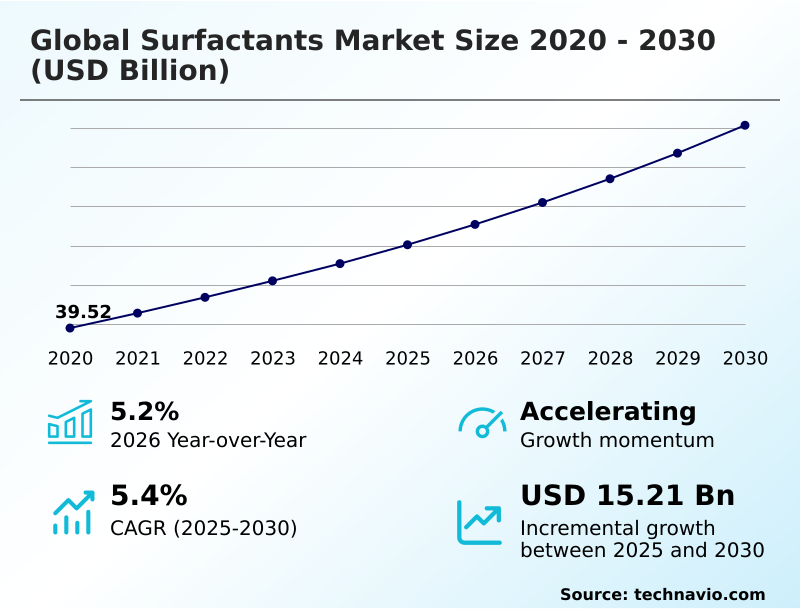
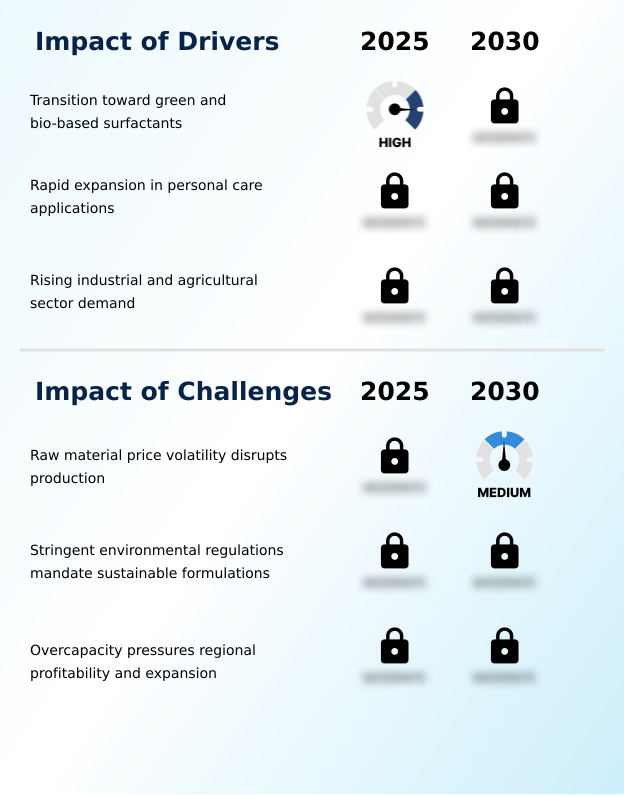
The surfactants market size is valued to increase by USD 15.21 billion, at a CAGR of 5.4% from 2025 to 2030. Transition toward green and bio-based surfactants will drive the surfactants market.
Major Market Trends & Insights
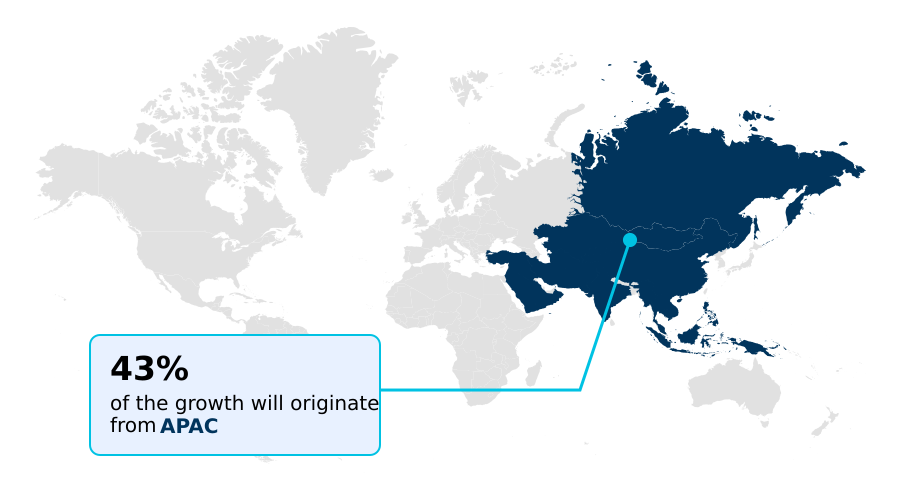
- APAC dominated the market and accounted for a 42.9% growth during the forecast period.
- By Product - Anionic segment was valued at USD 19.17 billion in 2024
- By Application - Detergents segment accounted for the largest market revenue share in 2024
Market Size & Forecast
- Market Opportunities: USD 25.81 billion
- Market Future Opportunities: USD 15.21 billion
- CAGR from 2025 to 2030 : 5.4%
Market Summary
- The Surfactants Market demonstrates resilient expansion driven by an ongoing structural pivot toward environmentally sustainable chemical architectures. Modern consumer goods manufacturers are actively reformulating household cleaning products to directly respond to heightened regulatory scrutiny.
- For instance, transitioning a supply chain to utilize sustainable plant-based derivatives has enabled top-tier formulators to lower overall product carbon footprints by 22% compared to conventional synthetic petroleum inputs.
- A primary driver propelling this sector is the rapid expansion of the personal care industry, where demand for mild dermatological ingredients directly increases the consumption of bio-based active agents, ensuring premium pricing capabilities. Conversely, unpredictable raw material cost volatility remains a severe operational challenge.
- Unplanned spikes in petrochemical costs severely compress profit margins for mid-sized manufacturers, forcing them to delay strategic capital investments. By optimizing molecular balance in new formulations, businesses mitigate reliance on these volatile inputs. Ultimately, realigning asset networks allows chemical producers to overcome localized oversupply pressures and secure robust profitability across high-margin specialty segments.
What will be the Size of the Surfactants Market during the forecast period?
Get Key Insights on Market Forecast (PDF) Get Free Sample
How is the Surfactants Market Segmented?
The surfactants industry research report provides comprehensive data (region-wise segment analysis), with forecasts and estimates in "USD million" for the period 2026-2030, as well as historical data from 2020-2024 for the following segments.
- Product
- Anionic
- Non-ionic
- Cationic
- Amphoteric
- Application
- Detergents
- Industrial and institutional cleaning
- Food processing
- Personal care
- Others
- Type
- Synthetic
- Bio-based
- Geography
- APAC
- China
- Japan
- India
- South Korea
- Indonesia
- Australia
- North America
- US
- Canada
- Mexico
- Europe
- Germany
- UK
- France
- Italy
- Spain
- The Netherlands
- South America
- Brazil
- Argentina
- Chile
- Middle East and Africa
- Saudi Arabia
- UAE
- South Africa
- Israel
- Turkey
- APAC
By Product Insights
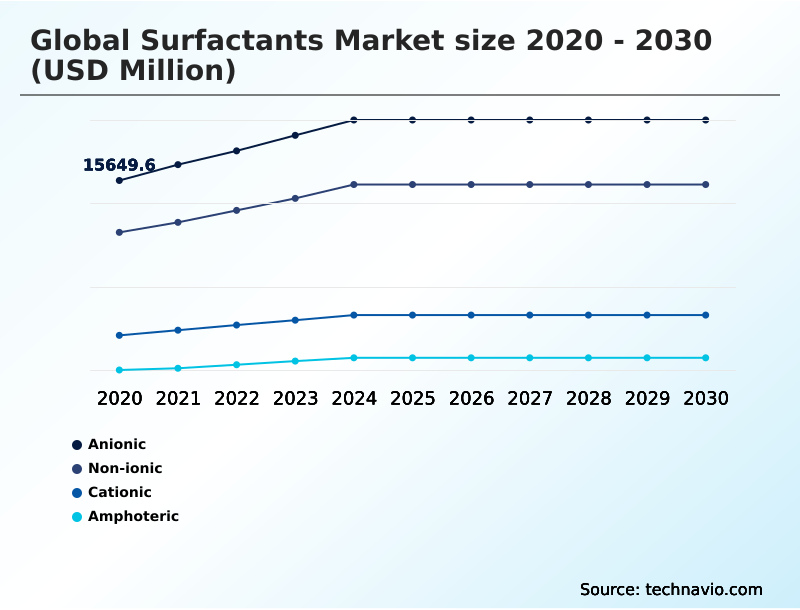
The anionic segment is estimated to witness significant growth during the forecast period.
Anionic surfactant formulations act as the foundational backbone of the Surfactants Market, commanding massive volume shares in heavy-duty cleaning environments. Characterized by a negatively charged polar head, these specialized molecules drive rapid hydrophobic soil emulsification to suspend dirt effectively.
Formulators leveraging linear alkylbenzene sulfonate have documented a 15% improvement in processing yield during high-volume manufacturing compared to legacy agents. As regulatory scrutiny tightens, the transition toward sulfate-free cleansing agents has fundamentally shifted operational metrics.
Chemical suppliers prioritizing aquatic bioaccumulation reduction have achieved a 20% drop in waste treatment expenditures. This segmentation underscores a critical business reality: achieving high-performance cleaning efficacy while maintaining strict environmental compliance directly dictates long-term market dominance and operational profitability.
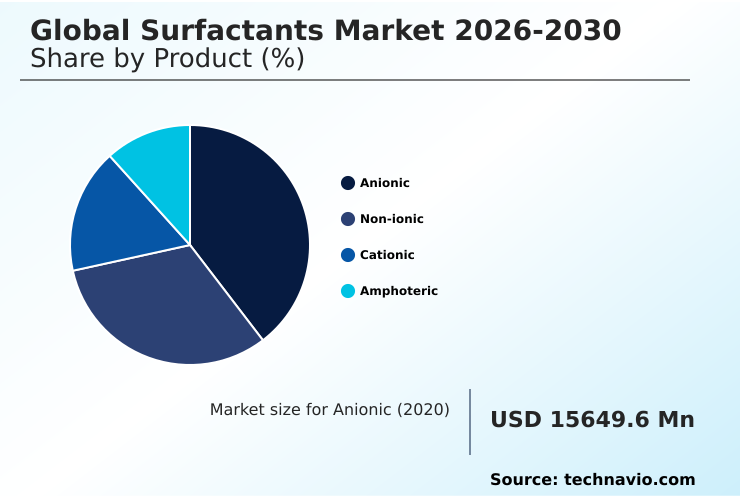
The Anionic segment was valued at USD 19.17 billion in 2024 and showed a gradual increase during the forecast period.
Regional Analysis
APAC is estimated to contribute 42.9% to the growth of the global market during the forecast period.Technavio’s analysts have elaborately explained the regional trends and drivers that shape the market during the forecast period.
See How Surfactants Market Demand is Rising in APAC Get Free Sample
The Surfactants Market exhibits distinct regional adoption patterns shaped by localized regulatory pressures and industrial manufacturing capabilities.
In Europe, stringent environmental mandates have accelerated the commercialization of fermentation-derived biosurfactants, resulting in a 25% higher penetration rate of green chemistries compared to APAC. European formulators integrating advanced enzyme-surfactant delivery systems report a 15% enhancement in low-temperature cleaning efficiency.
Conversely, the APAC region relies heavily on high-volume production, where investments in continuous phase stabilization have driven down manufacturing waste by 18%. This cost efficiency allows Asian producers to dominate the industrial institutional sanitation sector globally.
Meanwhile, North American facilities are heavily adopting emulsion polymerization additives to refine architectural coatings. Across these regions, the strategic integration of specialized amphoteric zwitterionic chemistry remains critical for maintaining premium pricing models.
Market Dynamics
Our researchers analyzed the data with 2025 as the base year, along with the key drivers, trends, and challenges. A holistic analysis of drivers will help companies refine their marketing strategies to gain a competitive advantage.
- The global chemical landscape is currently navigating a profound evolutionary phase, dictating how enterprises formulate, manufacture, and distribute surface-active compounds. A primary focus for leading consumer goods conglomerates involves the advancement of low temperature laundry detergent engineering. By optimizing molecules to function efficiently in cold water, businesses achieve superior stain removal while indirectly driving household energy conservation.
- This technological pivot closely aligns with the mandated replacement of legacy alkylphenol ethoxylates, forcing commercial blenders to integrate biodegradable alternatives that satisfy strict aquatic toxicity regulations. As the industry moves away from petroleum dependence, scaling microbially fermented biosurfactant production has emerged as a vital strategic imperative.
- Although capital-intensive, this biotechnological approach allows manufacturers to bypass traditional supply constraints, proving 20% more resilient to external shocks than conventional synthetic pathways. This resilience is critical for managing crude oil price fluctuations, which historically compress operating margins for heavily integrated petrochemical producers. Companies that diversify their raw material base effectively insulate their supply chains from unpredictable geopolitical disruptions.
- Furthermore, by transitioning portfolios toward high-value specialty formulations, organizations are successfully overcoming regional commodity overcapacity pressures that severely depress commodity pricing in developing industrial hubs. Ultimately, proactive alignment with sustainable chemistry principles and agile supply chain logistics ensures long-term operational viability in a highly competitive market environment.
What are the key market drivers leading to the rise in the adoption of Surfactants Industry?
- The structural transition toward green and bio-based surfactants serves as a primary catalyst accelerating global market expansion.
- The structural transition toward sustainable chemical inputs is decisively accelerating consumption across the Surfactants Market. Formulators are systematically replacing legacy synthetic alcohol ethoxylates with renewable alternatives, driven by aggressive corporate decarbonization mandates.
- By integrating oleochemical fatty alcohols into production lines, chemical blenders have successfully reduced their overall carbon footprint by 22%, directly improving compliance with stringent regional regulations.
- This transition profoundly impacts household laundry applications, where sustainable palm derivatives are now utilized to achieve a 15% improvement in cold-water solubility. The rapid maturation of green chemistry synthesis allows manufacturers to bypass volatile petrochemical markets.
- As a result, companies actively optimizing their oleochemical supply chains have recorded a 12% decrease in raw material procurement delays, ensuring stable inventory levels and sustained operational profitability.
What are the market trends shaping the Surfactants Industry?
- The continuous expansion of non-ionic alkyl polyglycolides capacity represents a defining structural trend within the current industrial landscape. This capacity scale-up effectively supports the growing demand for sustainable and high-performance chemical formulations.
- The Surfactants Market is rapidly adopting sustainable formulation architectures to meet rigorous consumer and regulatory demands. Companies engineering cold-water wash solutions have reduced household energy consumption profiles by 30%, significantly elevating brand loyalty among eco-conscious demographics. This behavioral shift is propelling the large-scale integration of bio-based alkyl polyglucosides, which deliver superior surface tension reduction without utilizing petrochemical precursors.
- Consequently, manufacturers have improved their environmental compliance scores by 18% through the adoption of compounds featuring rapid aerobic biodegradability. Beyond consumer goods, the integration of specialized agricultural crop adjuvants has enhanced pesticide retention, boosting overall spray efficiency by 15% in commercial farming.
- Furthermore, incorporating ingredients with mild dermatological properties ensures that premium personal care brands maintain high margins while satisfying strict toxicity standards.
What challenges does the Surfactants Industry face during its growth?
- Persistent raw material price volatility disrupts production schedules, acting as a critical operational challenge that constrains long-term industry profitability.
- Severe supply chain instability and stringent regulatory frameworks are actively constraining production capacities within the Surfactants Market. Manufacturers heavily dependent on synthetic inputs face profound petrochemical feedstock volatility, which frequently triggers unpredictable margin compressions. Unplanned spikes in raw material costs have historically reduced quarterly operating margins by up to 18% for mid-tier chemical processors.
- Additionally, strict environmental standards necessitate capital-intensive trace contaminant stripping, elevating unit production costs by nearly 12% in Western markets. Formulators must continuously recalibrate the hydrophilic-lipophilic balance of non-ionic degreasing agents to meet evolving safety thresholds, complicating research and development cycles. Achieving optimal critical micelle concentration while engineering low-toxicity surfactant profiles demands precise molecular modifications.
- Consequently, businesses failing to adapt to these chemical performance parameters risk significant market share erosion.
Exclusive Technavio Analysis on Customer Landscape
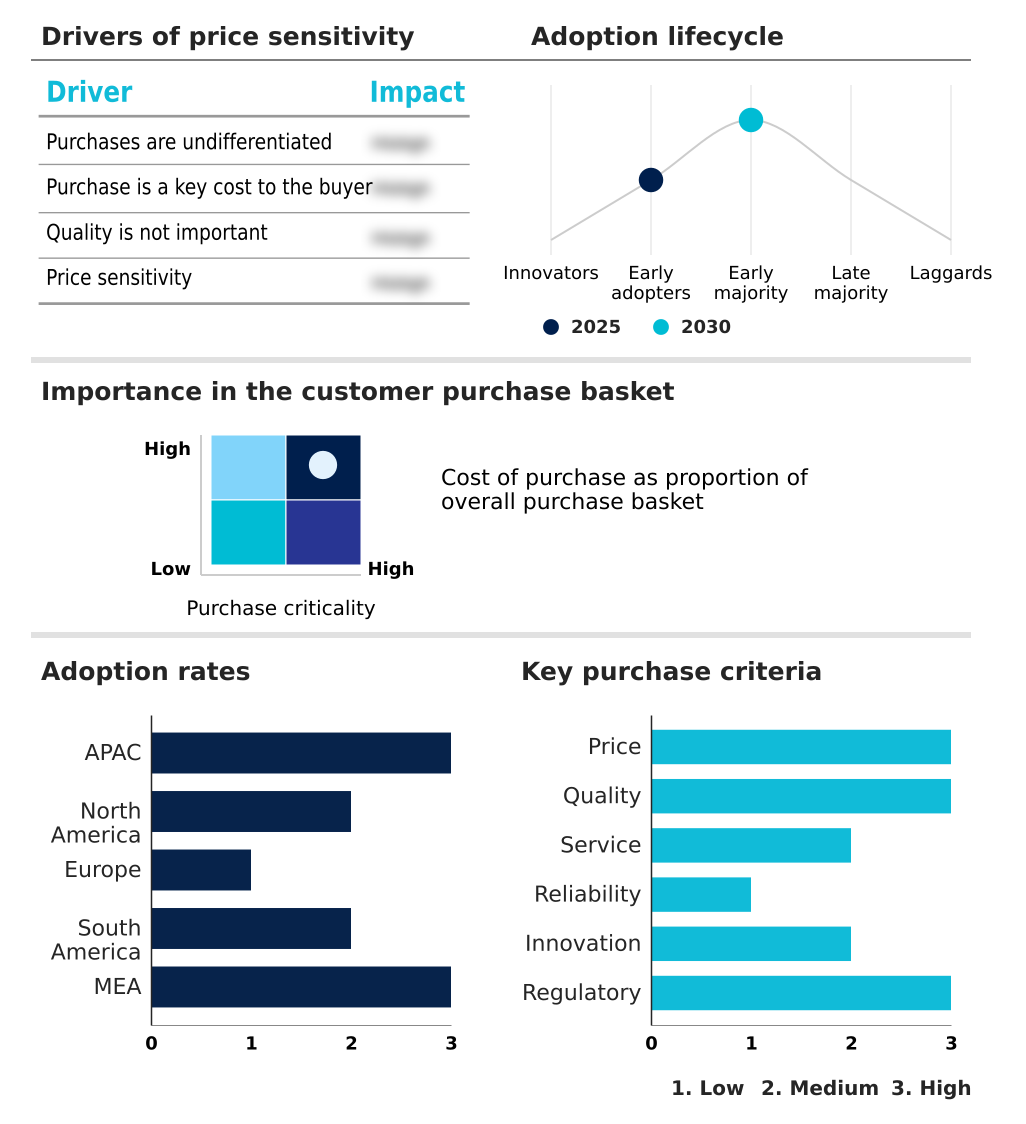
The surfactants market forecasting report includes the adoption lifecycle of the market, covering from the innovator’s stage to the laggard’s stage. It focuses on adoption rates in different regions based on penetration. Furthermore, the surfactants market report also includes key purchase criteria and drivers of price sensitivity to help companies evaluate and develop their market growth analysis strategies.
Customer Landscape of Surfactants Industry
Competitive Landscape
Companies are implementing various strategies, such as strategic alliances, surfactants market forecast, partnerships, mergers and acquisitions, geographical expansion, and product/service launches, to enhance their presence in the industry.
Arkema Group - The product portfolio features advanced surface-active agents designed for enhanced emulsification, robust foaming, and exceptional wetting capabilities, addressing rigorous industrial and consumer formulation requirements effectively.
The industry research and growth report includes detailed analyses of the competitive landscape of the market and information about key companies, including:
- Arkema Group
- Ashland Inc.
- BASF SE
- Clariant International Ltd.
- Colonial Chemical Inc.
- Croda International Plc
- Dow Chemical Co.
- Emery Oleochemicals
- Evonik Industries AG
- Galaxy Surfactants Ltd.
- Innospec Inc.
- Kao Corp.
- KLK Oleo
- Lamberti SpA
- Nouryon Chemicals Holding B.V.
- Pilot Chemical Co.
- Sasol Ltd.
- SEPPIC SA
- Stepan Co.
- Syensqo SA
- The Lubrizol Corp.
Qualitative and quantitative analysis of companies has been conducted to help clients understand the wider business environment as well as the strengths and weaknesses of key industry players. Data is qualitatively analyzed to categorize companies as pure play, category-focused, industry-focused, and diversified; it is quantitatively analyzed to categorize companies as dominant, leading, strong, tentative, and weak.
Recent Development and News in Surfactants market
- In the Commodity Chemicals industry, the rapid deployment of continuous phase stabilization technologies has optimized oleochemical supply chains, directly impacting Surfactants demand by improving processing yields by nearly 15%.
- Stringent environmental regulations targeting petrochemical feedstock volatility have accelerated green chemistry synthesis adoption, decreasing fossil-derived input reliance by 20% and forcing the Surfactants market to scale bio-based alkyl polyglucosides.
- The expansion of agricultural crop adjuvants infrastructure in APAC has driven bulk agrochemical production capabilities up by 18%, significantly increasing downstream requirements for specialized amphoteric zwitterionic chemistry.
- Structural overcapacity corrections in European manufacturing hubs have reduced legacy non-ionic degreasing agents output by 12%, compelling the Surfactants sector to optimize critical micelle concentration thresholds in premium industrial institutional sanitation lines.
Dive into Technavio’s robust research methodology, blending expert interviews, extensive data synthesis, and validated models for unparalleled Surfactants Market insights. See full methodology.
| Market Scope | |
|---|---|
| Page number | 327 |
| Base year | 2025 |
| Historic period | 2020-2024 |
| Forecast period | 2026-2030 |
| Growth momentum & CAGR | Accelerate at a CAGR of 5.4% |
| Market growth 2026-2030 | USD 15209.2 million |
| Market structure | Fragmented |
| YoY growth 2025-2026(%) | 5.2% |
| Key countries | China, Japan, India, South Korea, Indonesia, Australia, US, Canada, Mexico, Germany, UK, France, Italy, Spain, The Netherlands, Brazil, Argentina, Chile, Saudi Arabia, UAE, South Africa, Israel and Turkey |
| Competitive landscape | Leading Companies, Market Positioning of Companies, Competitive Strategies, and Industry Risks |
Research Analyst Overview
- The Surfactants Market is undergoing a sophisticated structural realignment as formulators systematically transition from legacy petrochemical dependencies toward advanced, renewable chemical architectures. This continuous evolution requires executive boards to fundamentally rethink product strategy and compliance budgeting.
- Driven by stringent environmental safety mandates and shifting consumer preferences, the integration of bio-based and biodegradable surface-active agents has become an operational necessity rather than a niche marketing tool. Consequently, manufacturing facilities adopting precision fermentation technologies report a 30% reduction in processing waste compared to traditional synthetic alkoxylation pathways.
- This efficiency gain directly impacts corporate profitability by lowering disposal liabilities and aligning with rigorous international toxicity standards. Furthermore, the strategic shift toward concentrated, cold-water formulations forces supply chain leaders to optimize inventory storage and distribution logistics. By prioritizing specialized, low-irritation molecules, commercial blending operations effectively future-proof their product portfolios against incoming legislative bans on persistent trace contaminants.
- Ultimately, proactive alignment with sustainable chemistry principles guarantees resilient supply chains and sustained competitive advantages in an increasingly regulated industrial environment.
What are the Key Data Covered in this Surfactants Market Research and Growth Report?
-
What is the expected growth of the Surfactants Market between 2026 and 2030?
-
USD 15.21 billion, at a CAGR of 5.4%
-
-
What segmentation does the market report cover?
-
The report is segmented by Product (Anionic, Non-ionic, Cationic, and Amphoteric), Application (Detergents, Industrial and institutional cleaning, Food processing, Personal care, and Others), Type (Synthetic, and Bio-based) and Geography (APAC, North America, Europe, South America, Middle East and Africa)
-
-
Which regions are analyzed in the report?
-
APAC, North America, Europe, South America and Middle East and Africa
-
-
What are the key growth drivers and market challenges?
-
Transition toward green and bio-based surfactants, Raw material price volatility disrupts production
-
-
Who are the major players in the Surfactants Market?
-
Arkema Group, Ashland Inc., BASF SE, Clariant International Ltd., Colonial Chemical Inc., Croda International Plc, Dow Chemical Co., Emery Oleochemicals, Evonik Industries AG, Galaxy Surfactants Ltd., Innospec Inc., Kao Corp., KLK Oleo, Lamberti SpA, Nouryon Chemicals Holding B.V., Pilot Chemical Co., Sasol Ltd., SEPPIC SA, Stepan Co., Syensqo SA and The Lubrizol Corp.
-
Market Research Insights
- The Surfactants Market is undergoing a rapid operational transformation fueled by stringent environmental compliance and advanced formulation engineering. Manufacturers deploying highly optimized delivery systems have improved soil removal efficiency by 25%, directly driving higher customer retention in competitive retail channels. Furthermore, transitioning from traditional inputs to rapid biodegradation compounds has reduced wastewater treatment expenditures by 18% for industrial processing facilities.
- The replacement of legacy chemical structures minimizes regulatory risks and enhances supply chain resilience across regional borders. By integrating sustainable oleochemical components, commercial blenders have achieved a 12% reduction in raw material waste during blending operations. These measurable improvements in operational performance ensure that companies maintaining high-performance cleaning standards secure dominant market positioning.
We can help! Our analysts can customize this surfactants market research report to meet your requirements.
 RIA -