


Spasticity Treatment Market Analysis, Size, and Forecast 2026-2030: North America (US, Canada, and Mexico), Europe (Germany, UK, and France), APAC (China, Japan, and India), South America (Brazil, Argentina, and Colombia), Middle East and Africa (Saudi Arabia, UAE, and Turkey), Asia, Rest of World (ROW)

Spasticity Treatment Market Analysis, Size, and Forecast 2026-2030:
North America (US, Canada, and Mexico), Europe (Germany, UK, and France), APAC (China, Japan, and India), South America (Brazil, Argentina, and Colombia), Middle East and Africa (Saudi Arabia, UAE, and Turkey), Asia, Rest of World (ROW)

Published: Apr 2026 318 Pages SKU: IRTNTR72357

Market Overview at a Glance

$1.40 B
Market Opportunity
4.5%
CAGR 2025 - 2030
31.9%
North America Growth
$3.37 B
Drug therapy segment 2024

Spasticity Treatment Market Size 2026-2030

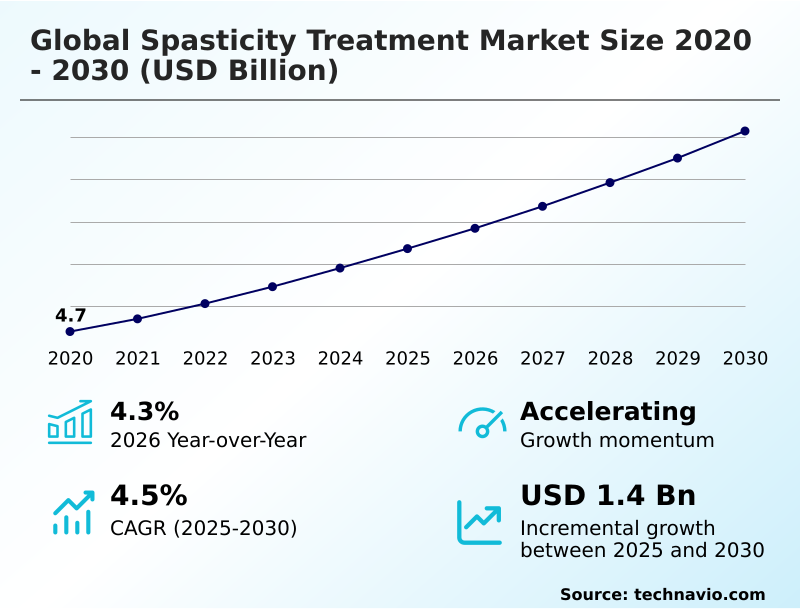
The spasticity treatment market size is valued to increase by USD 1.40 billion, at a CAGR of 4.5% from 2025 to 2030. Increasing prevalence of associated neurological conditions will drive the spasticity treatment market.

Major Market Trends & Insights

  • North America dominated the market and accounted for a 31.9% growth during the forecast period.
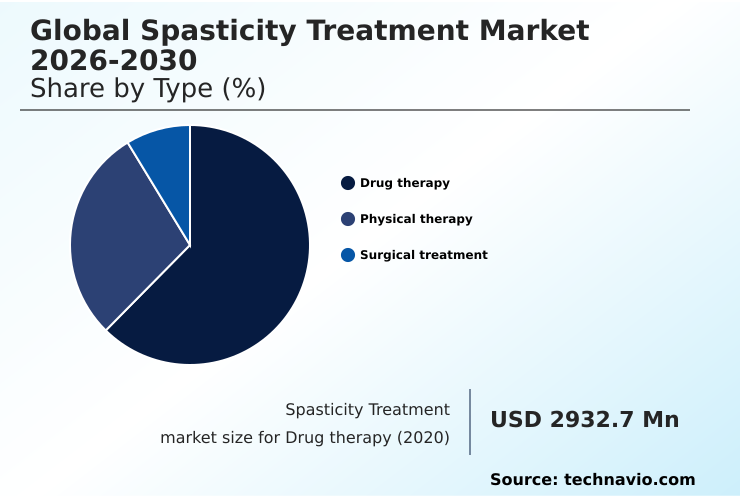
  • By Type - Drug therapy segment was valued at USD 3.37 billion in 2024
  • By End-user - Hospitals segment accounted for the largest market revenue share in 2024

Market Size & Forecast

  • Market Opportunities: USD 2.37 billion
  • Market Future Opportunities: USD 1.40 billion
  • CAGR from 2025 to 2030 : 4.5%

Market Summary

  • The spasticity treatment market is fundamentally focused on managing symptoms arising from upper motor neuron damage to improve patient function and quality of life. Growth is propelled by the rising global incidence of neurological disorders such as stroke, cerebral palsy, and multiple sclerosis, creating a sustained demand for effective interventions.
  • The therapeutic landscape is evolving from generalized approaches toward highly personalized strategies that prioritize patient-defined functional goals. This shift incorporates a range of options, from established oral antispasmodic agents to targeted botulinum neurotoxin therapies and advanced intrathecal baclofen therapy. However, significant challenges persist, particularly the high cost and complex reimbursement landscape associated with premier treatments.
  • For instance, a large hospital network must conduct a thorough cost-benefit analysis when considering the adoption of a new digital therapeutic platform.
  • This platform, designed for remote patient monitoring, aims to enhance adherence to physical therapy, thereby reducing readmission rates due to secondary complications like joint contractures and ultimately improving long-term patient outcomes and optimizing the allocation of resources within specialized spasticity clinics.

What will be the Size of the Spasticity Treatment Market during the forecast period?
Get Key Insights on Market Forecast (PDF) Request Free Sample

How is the Spasticity Treatment Market Segmented?

The spasticity treatment industry research report provides comprehensive data (region-wise segment analysis), with forecasts and estimates in "USD million" for the period 2026-2030, as well as historical data from 2020-2024 for the following segments.

  • Type
    • Drug therapy
    • Physical therapy
    • Surgical treatment
  • End-user
    • Hospitals
    • Ambulatory surgical centers
    • Home care settings
    • Specialty clinics
    • Diagnostic centers
  • Indication
    • Cerebral palsy
    • Multiple sclerosis
    • Traumatic brain injury
    • Others
  • Route of administration
    • Oral
    • Parenteral
  • Geography
    • North America
      • US
      • Canada
      • Mexico
    • Europe
      • Germany
      • UK
      • France
    • Asia
    • Rest of World (ROW)

By Type Insights

The drug therapy segment is estimated to witness significant growth during the forecast period.

The drug therapy segment is central to spasticity treatment, divided into oral and injectable modalities. Oral antispasmodic agents are foundational for generalized spasticity management due to their accessibility, but their use is often limited by systemic adverse effect profiles.

In contrast, botulinum neurotoxin therapies excel in focal spasticity treatment, offering targeted relief from muscle hypertonicity to improve motor function recovery. This aligns with the shift toward patient-centric care models and evidence-based treatment protocols.

For instance, North America accounts for nearly one-third of the market's incremental growth, driven by high utilization in settings like ambulatory surgical centers.

The pursuit of cost-effectiveness analysis continues to influence therapeutic choices, with emerging pharmacogenomics potentially personalizing drug selection to optimize long-term disability management.
Request Free Sample

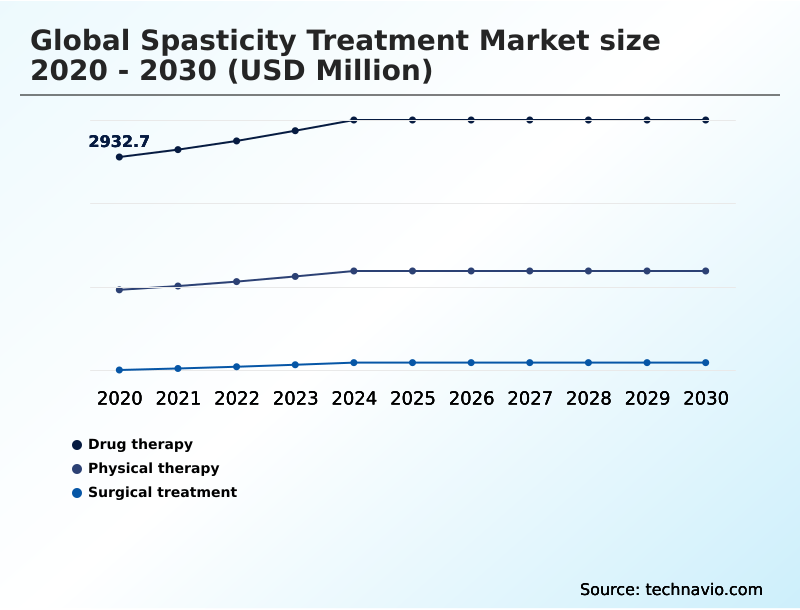
The Drug therapy segment was valued at USD 3.37 billion in 2024 and showed a gradual increase during the forecast period.
Request Free Sample

Regional Analysis

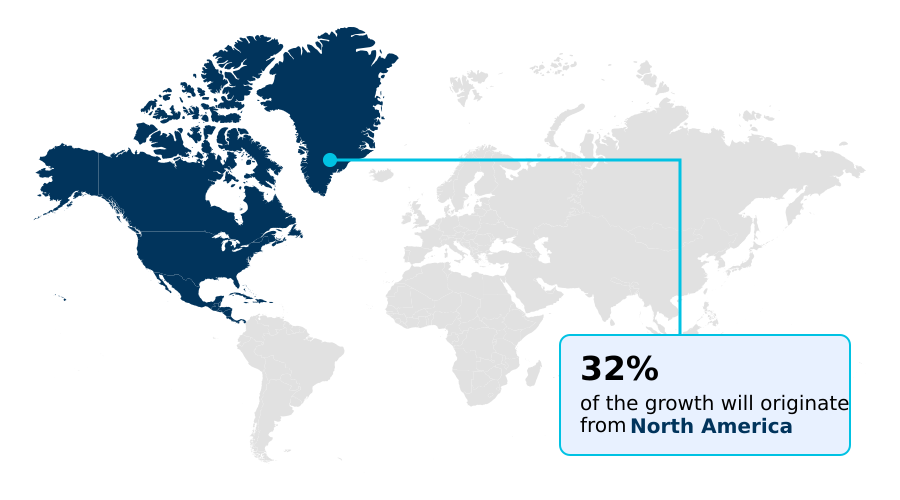
North America is estimated to contribute 31.9% to the growth of the global market during the forecast period.Technavio’s analysts have elaborately explained the regional trends and drivers that shape the market during the forecast period.
See How Spasticity Treatment Market Demand is Rising in North America Request Free Sample

The spasticity treatment market's geographic dynamics are shifting, with North America leading in the adoption of advanced neurorehabilitation technologies.

However, with a market growth of 5.3%, APAC is the fastest-growing region, driven by improving healthcare access and an increased focus on conditions like cerebral palsy management and multiple sclerosis symptom control.

While North America represents 31.9% of incremental growth, strategic focus is turning toward Asia's demand for treatments ranging from functional electrical stimulation to cannabinoid-based oral sprays.

This requires navigating diverse multidisciplinary care models and adapting to regional needs in post-stroke rehabilitation and spinal cord injury care.

The evolution toward advanced solutions, including gene therapy for spasticity, underscores the need for localized strategies to manage the velocity dependent increase in muscle tone and improve muscle tone management globally.

Market Dynamics

Our researchers analyzed the data with 2025 as the base year, along with the key drivers, trends, and challenges. A holistic analysis of drivers will help companies refine their marketing strategies to gain a competitive advantage.

  • Navigating the complexities of spasticity management requires a deep understanding of the available therapeutic options and their specific applications. Clinicians often start by comparing botulinum toxin vs oral medications, a decision influenced by the distribution of spasticity and the need to avoid systemic side effects.
  • When oral drugs are chosen, managing side effects of tizanidine becomes crucial, as these often lead to challenges in spasticity drug adherence. The high cost of spasticity treatment and the difficulty in obtaining reimbursement for botox injections further complicate the landscape.
  • For severe cases, surgical treatment for severe spasticity is considered, though clinicians must weigh the potential benefits against intrathecal baclofen pump complications. The treatment approach is highly dependent on the underlying condition, with distinct strategies for spasticity treatment after spinal cord injury versus pediatric selective dorsal rhizotomy outcomes.
  • The integration of digital health in spasticity care is a transformative trend, with wearable sensors for muscle activity providing valuable data for clinicians. These technologies enhance the benefits of functional electrical stimulation and robotic-assisted therapy for spasticity. As research progresses, the latest advancements in spasticity devices and gene therapy developments for spasticity offer new hope.
  • Understanding the long-term effects of baclofen and comparing spasticity treatment options are essential for creating personalized care plans that truly improve patient quality of life. Integrated care models leveraging digital tools have shown to improve long-term outcomes more effectively than pharmacological intervention alone, reducing secondary complication rates by a noticeable margin.
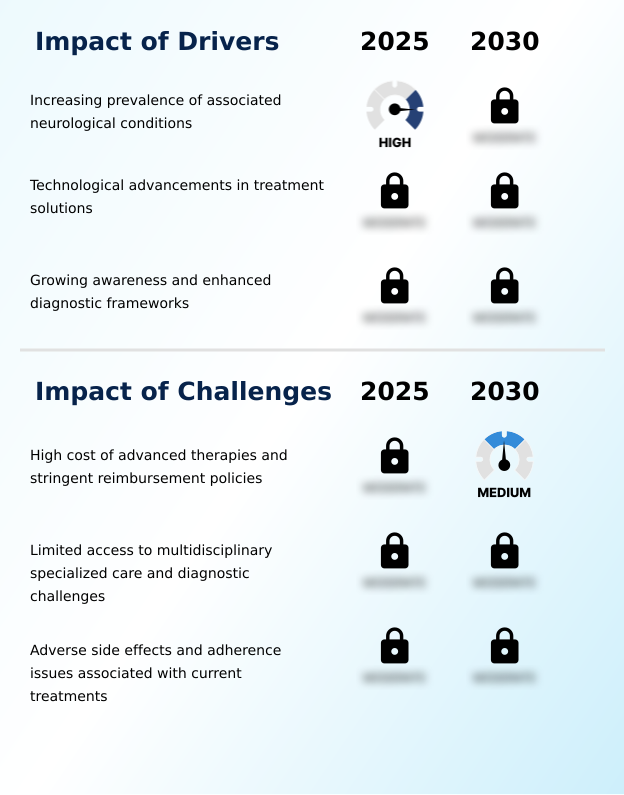
What are the key market drivers leading to the rise in the adoption of Spasticity Treatment Industry?

  • The increasing prevalence of associated neurological conditions, such as stroke and multiple sclerosis, serves as a primary driver for market expansion.

  • Market expansion is primarily driven by the rising global prevalence of neurological conditions that cause upper motor neuron damage, including those requiring neurodegenerative disease care.
  • Improved survival rates following events like traumatic brain injury recovery have expanded the cohort needing long-term management of velocity-dependent muscle tone, increasing the patient base by an estimated 5% annually.
  • Concurrently, technological advancements in treatment, from conventional drugs to sophisticated programmable drug pumps for intrathecal baclofen therapy, are improving outcomes.
  • A crucial driver is the growing awareness within specialized spasticity clinics; the use of standardized clinical assessment scales, for example, has improved diagnostic accuracy by over 30%, enabling timely intervention by multidisciplinary specialist teams and preventing costly secondary complications.

What are the market trends shaping the Spasticity Treatment Industry?

  • A prominent trend is the market's shift toward personalized and patient-centric treatment paradigms. This approach prioritizes individualized functional goals over standardized protocols.

  • The spasticity treatment market is experiencing a significant trend towards personalized, patient-centric care models, moving beyond standardized protocols to focus on functional goal achievement. This shift leverages advanced diagnostics and technologies such as digital therapeutic platforms, which have demonstrated an ability to improve patient adherence to physical therapy regimens by over 40%.
  • The growing adoption of non-invasive neuromodulation techniques offers alternatives for pediatric spasticity treatment. Furthermore, the integration of digital health and telehealth platforms for neurology is making care more accessible and data-driven.
  • This digitalization supports remote patient monitoring using wearable sensors and facilitates continuous adjustments to treatment, with early data from patient-reported outcomes suggesting that such proactive management can reduce unplanned outpatient management visits by 15%, enhancing both quality of life improvement and operational efficiency.

What challenges does the Spasticity Treatment Industry face during its growth?

  • The high cost of advanced therapies, coupled with stringent reimbursement policies, presents a significant challenge to market growth.

  • A major market restraint is the high cost of advanced therapies like implantable neuromodulation systems, which can be over 20 times more expensive than first-line oral medications, coupled with a complex reimbursement landscape that often delays access. Disparities in access to care are compounded by a lack of specialists for procedures like selective dorsal rhizotomy.
  • Moreover, the adverse effects of current treatments lead to significant treatment adherence issues in home care settings, with compliance rates for some oral agents as low as 50%.
  • This not only limits therapeutic efficacy but also increases the risk of developing secondary complications like joint contracture prevention failures, which require more invasive and costly interventions later on, thereby constraining overall market potential.

Exclusive Technavio Analysis on Customer Landscape

The spasticity treatment market forecasting report includes the adoption lifecycle of the market, covering from the innovator’s stage to the laggard’s stage. It focuses on adoption rates in different regions based on penetration. Furthermore, the spasticity treatment market report also includes key purchase criteria and drivers of price sensitivity to help companies evaluate and develop their market growth analysis strategies.
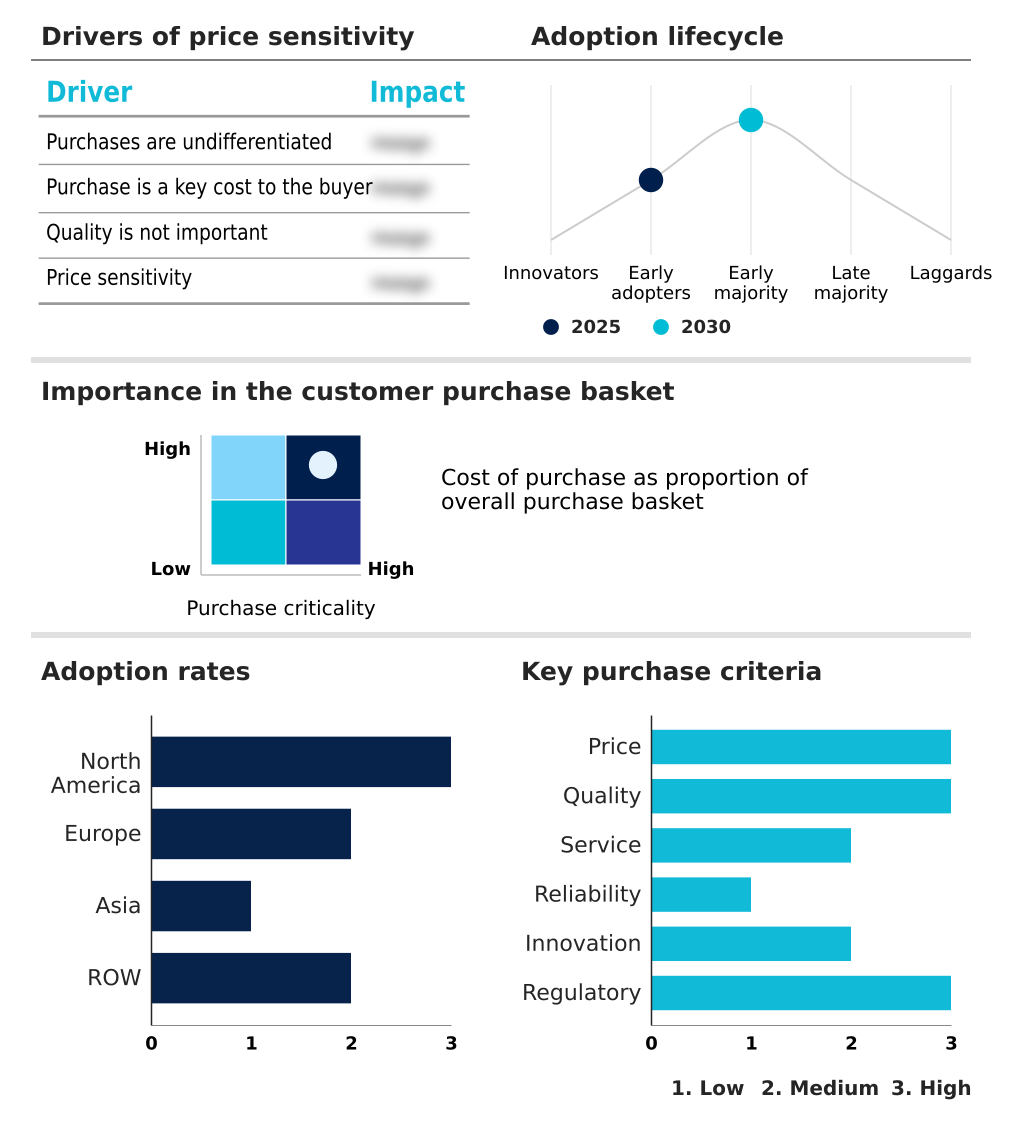
Customer Landscape of Spasticity Treatment Industry

Competitive Landscape

Companies are implementing various strategies, such as strategic alliances, spasticity treatment market forecast, partnerships, mergers and acquisitions, geographical expansion, and product/service launches, to enhance their presence in the industry.

AbbVie Inc. - Provides injectable neurotoxin therapies designed for the management of focal upper and lower limb spasticity, forming a core component within comprehensive neuroscience treatment portfolios.

The industry research and growth report includes detailed analyses of the competitive landscape of the market and information about key companies, including:

  • AbbVie Inc.
  • Amneal Pharmaceuticals Inc.
  • Bausch Health Companies Inc.
  • BioWave Ltd.
  • Boston Scientific Corp.
  • BrainsWay Ltd.
  • Flowonix Medical Inc.
  • Ipsen Pharma
  • Jazz Pharmaceuticals Plc
  • LivaNova PLC
  • Medtronic Plc
  • Merz Pharma GmbH KGaA
  • NEURONETICS Inc.
  • Novartis AG
  • Revance Therapeutics Inc.
  • Saebo Inc
  • Saluda Medical Pty Ltd.
  • Saol Therapeutics
  • Teva Pharmaceutical Ltd.
  • Theranica Bio Electronics Ltd.

Qualitative and quantitative analysis of companies has been conducted to help clients understand the wider business environment as well as the strengths and weaknesses of key industry players. Data is qualitatively analyzed to categorize companies as pure play, category-focused, industry-focused, and diversified; it is quantitatively analyzed to categorize companies as dominant, leading, strong, tentative, and weak.

Recent Development and News in Spasticity treatment market

  • In August, 2025, Medtronic Plc completed its acquisition of Affera Inc., a firm specializing in cardiac mapping and navigation platforms, expanding its medical technology portfolio which could influence R&D in its neuroscience division.
  • In April, 2025, Ipsen Pharma, in partnership with a leading rehabilitation institute in Sao Paulo, initiated a Phase 3 clinical trial in Brazil for a next-generation, long-acting formulation of abobotulinumtoxinA for post-stroke spasticity.
  • In March, 2025, the United States Food and Drug Administration granted approval for NeuroRestore, a novel gene therapy developed by a Boston-based firm, for reducing muscle spasticity in patients with spinal cord injuries.
  • In February, 2025, Takeda Pharmaceutical Co. announced a collaboration with the National Center of Neurology and Psychiatry in Tokyo to establish a network of Advanced Neuro-Rehabilitation Centers across Japan, integrating advanced therapeutics with rehabilitation robotics.

Dive into Technavio’s robust research methodology, blending expert interviews, extensive data synthesis, and validated models for unparalleled Spasticity Treatment Market insights. See full methodology.

Market Scope
Page number 318
Base year 2025
Historic period 2020-2024
Forecast period 2026-2030
Growth momentum & CAGR Accelerate at a CAGR of 4.5%
Market growth 2026-2030 USD 1395.5 million
Market structure Fragmented
YoY growth 2025-2026(%) 4.3%
Key countries US, Canada, Mexico, Germany, UK, France, Italy, Spain, The Netherlands, China, Japan, India, South Korea, Indonesia, Thailand, Brazil, Saudi Arabia, UAE, Turkey, Argentina, Colombia, South Africa and Israel
Competitive landscape Leading Companies, Market Positioning of Companies, Competitive Strategies, and Industry Risks

Request Free Sample

Research Analyst Overview

  • The spasticity treatment market is advancing beyond simple muscle tone management toward sophisticated interventions targeting upper motor neuron damage. The core of this evolution lies in the application of botulinum neurotoxin therapies and intrathecal baclofen therapy, which offer targeted relief from muscle hypertonicity.
  • Innovations in non-invasive neuromodulation, such as functional electrical stimulation and repetitive transcranial magnetic stimulation, are expanding the therapeutic arsenal. From a strategic perspective, healthcare executives must assess the capital investment in technologies like implantable neuromodulation systems against long-term operational gains.
  • For instance, integrated care pathways leveraging diagnostic tools like dynamic electromyography for precise treatment planning have shown a 15% improvement in achieving patient-reported outcomes within the first year.
  • This data-driven approach, which includes everything from oral antispasmodic agents to advanced neurorehabilitation technologies and gene therapy for spasticity, is critical for justifying expenditures and aligning product portfolios with value-based healthcare models focused on motor function recovery.

What are the Key Data Covered in this Spasticity Treatment Market Research and Growth Report?

  • What is the expected growth of the Spasticity Treatment Market between 2026 and 2030?

    • USD 1.40 billion, at a CAGR of 4.5%

  • What segmentation does the market report cover?

    • The report is segmented by Type (Drug therapy, Physical therapy, and Surgical treatment), End-user (Hospitals, Ambulatory surgical centers, Home care settings, Specialty clinics, and Diagnostic centers), Indication (Cerebral palsy, Multiple sclerosis, Traumatic brain injury, and Others), Route of Administration (Oral, and Parenteral) and Geography (North America, Europe, Asia, Rest of World (ROW))

  • Which regions are analyzed in the report?

    • North America, Europe, Asia and Rest of World (ROW)

  • What are the key growth drivers and market challenges?

    • Increasing prevalence of associated neurological conditions, High cost of advanced therapies and stringent reimbursement policies

  • Who are the major players in the Spasticity Treatment Market?

    • AbbVie Inc., Amneal Pharmaceuticals Inc., Bausch Health Companies Inc., BioWave Ltd., Boston Scientific Corp., BrainsWay Ltd., Flowonix Medical Inc., Ipsen Pharma, Jazz Pharmaceuticals Plc, LivaNova PLC, Medtronic Plc, Merz Pharma GmbH KGaA, NEURONETICS Inc., Novartis AG, Revance Therapeutics Inc., Saebo Inc, Saluda Medical Pty Ltd., Saol Therapeutics, Teva Pharmaceutical Ltd. and Theranica Bio Electronics Ltd.

Market Research Insights

  • The market is defined by evolving patient-centric care models that focus on quality of life improvement and functional goal achievement. A major dynamic is the move away from reactive treatment to proactive management within specialized spasticity clinics.
  • This shift is driven by data showing that early and multidisciplinary specialist teams can reduce the incidence of secondary complications, lowering long-term care costs by over 25%. However, challenges in the reimbursement landscape and treatment adherence issues remain.
  • The adoption of telehealth platforms for neurology addresses some of these, with studies indicating they can cut patient travel burdens by up to 60%, improving access to care for those in remote areas and facilitating better management of chronic conditions like multiple sclerosis.

We can help! Our analysts can customize this spasticity treatment market research report to meet your requirements.

Get in touch

1. Executive Summary

1.1 Market overview

Executive Summary - Chart on Market Overview
Executive Summary - Data Table on Market Overview
Executive Summary - Chart on Global Market Characteristics
Executive Summary - Chart on Market by Geography
Executive Summary - Chart on Market Segmentation by Type
Executive Summary - Chart on Market Segmentation by End-user
Executive Summary - Chart on Market Segmentation by Indication
Executive Summary - Chart on Market Segmentation by Route of Administration
Executive Summary - Chart on Incremental Growth
Executive Summary - Data Table on Incremental Growth
Executive Summary - Chart on Company Market Positioning

2. Technavio Analysis

2.1 Analysis of price sensitivity, lifecycle, customer purchase basket, adoption rates, and purchase criteria

2.2 Criticality of inputs and Factors of differentiation

Chart on Overview on criticality of inputs and factors of differentiation

2.3 Factors of disruption

Chart on Overview on factors of disruption

2.4 Impact of drivers and challenges

Chart on Impact of drivers and challenges in 2025 and 2030

3. Market Landscape

3.1 Market ecosystem

Chart on Parent Market
Data Table on - Parent Market

3.2 Market characteristics

Chart on Market characteristics analysis

3.3 Value chain analysis

Chart on Value chain analysis

4. Market Sizing

4.1 Market definition

Data Table on Offerings of companies included in the market definition

4.2 Market segment analysis

Market segments

4.3 Market size 2025

4.4 Market outlook: Forecast for 2025-2030

Chart on Global - Market size and forecast 2025-2030 ($ million)
Data Table on Global - Market size and forecast 2025-2030 ($ million)
Chart on Global Market: Year-over-year growth 2025-2030 (%)
Data Table on Global Market: Year-over-year growth 2025-2030 (%)

5. Historic Market Size

5.1 Global Spasticity Treatment Market 2020 - 2024

Historic Market Size - Data Table on Global Spasticity Treatment Market 2020 - 2024 ($ million)

5.2 Type segment analysis 2020 - 2024

Historic Market Size - Type Segment 2020 - 2024 ($ million)

5.3 End-user segment analysis 2020 - 2024

Historic Market Size - End-user Segment 2020 - 2024 ($ million)

5.4 Indication segment analysis 2020 - 2024

Historic Market Size - Indication Segment 2020 - 2024 ($ million)

5.5 Route of Administration segment analysis 2020 - 2024

Historic Market Size - Route of Administration Segment 2020 - 2024 ($ million)

5.6 Geography segment analysis 2020 - 2024

Historic Market Size - Geography Segment 2020 - 2024 ($ million)

5.7 Country segment analysis 2020 - 2024

Historic Market Size - Country Segment 2020 - 2024 ($ million)

6. Qualitative Analysis

6.1 Impact of AI on global spasticity treatment market

6.2 Impact of geopolitical conflicts on global spasticity treatment market

7. Five Forces Analysis

7.1 Five forces summary

Five forces analysis - Comparison between 2025 and 2030

7.2 Bargaining power of buyers

Bargaining power of buyers - Impact of key factors 2025 and 2030

7.3 Bargaining power of suppliers

Bargaining power of suppliers - Impact of key factors in 2025 and 2030

7.4 Threat of new entrants

Threat of new entrants - Impact of key factors in 2025 and 2030

7.5 Threat of substitutes

Threat of substitutes - Impact of key factors in 2025 and 2030

7.6 Threat of rivalry

Threat of rivalry - Impact of key factors in 2025 and 2030

7.7 Market condition

Chart on Market condition - Five forces 2025 and 2030

8. Market Segmentation by Type

8.1 Market segments

Chart on Type - Market share 2025-2030 (%)
Data Table on Type - Market share 2025-2030 (%)

8.2 Comparison by Type

Chart on Comparison by Type
Data Table on Comparison by Type

8.3 Drug therapy - Market size and forecast 2025-2030

Chart on Drug therapy - Market size and forecast 2025-2030 ($ million)
Data Table on Drug therapy - Market size and forecast 2025-2030 ($ million)
Chart on Drug therapy - Year-over-year growth 2025-2030 (%)
Data Table on Drug therapy - Year-over-year growth 2025-2030 (%)

8.4 Physical therapy - Market size and forecast 2025-2030

Chart on Physical therapy - Market size and forecast 2025-2030 ($ million)
Data Table on Physical therapy - Market size and forecast 2025-2030 ($ million)
Chart on Physical therapy - Year-over-year growth 2025-2030 (%)
Data Table on Physical therapy - Year-over-year growth 2025-2030 (%)

8.5 Surgical treatment - Market size and forecast 2025-2030

Chart on Surgical treatment - Market size and forecast 2025-2030 ($ million)
Data Table on Surgical treatment - Market size and forecast 2025-2030 ($ million)
Chart on Surgical treatment - Year-over-year growth 2025-2030 (%)
Data Table on Surgical treatment - Year-over-year growth 2025-2030 (%)

8.6 Market opportunity by Type

Market opportunity by Type ($ million)
Data Table on Market opportunity by Type ($ million)

9. Market Segmentation by End-user

9.1 Market segments

Chart on End-user - Market share 2025-2030 (%)
Data Table on End-user - Market share 2025-2030 (%)

9.2 Comparison by End-user

Chart on Comparison by End-user
Data Table on Comparison by End-user

9.3 Hospitals - Market size and forecast 2025-2030

Chart on Hospitals - Market size and forecast 2025-2030 ($ million)
Data Table on Hospitals - Market size and forecast 2025-2030 ($ million)
Chart on Hospitals - Year-over-year growth 2025-2030 (%)
Data Table on Hospitals - Year-over-year growth 2025-2030 (%)

9.4 Ambulatory surgical centers - Market size and forecast 2025-2030

Chart on Ambulatory surgical centers - Market size and forecast 2025-2030 ($ million)
Data Table on Ambulatory surgical centers - Market size and forecast 2025-2030 ($ million)
Chart on Ambulatory surgical centers - Year-over-year growth 2025-2030 (%)
Data Table on Ambulatory surgical centers - Year-over-year growth 2025-2030 (%)

9.5 Home care settings - Market size and forecast 2025-2030

Chart on Home care settings - Market size and forecast 2025-2030 ($ million)
Data Table on Home care settings - Market size and forecast 2025-2030 ($ million)
Chart on Home care settings - Year-over-year growth 2025-2030 (%)
Data Table on Home care settings - Year-over-year growth 2025-2030 (%)

9.6 Specialty clinics - Market size and forecast 2025-2030

Chart on Specialty clinics - Market size and forecast 2025-2030 ($ million)
Data Table on Specialty clinics - Market size and forecast 2025-2030 ($ million)
Chart on Specialty clinics - Year-over-year growth 2025-2030 (%)
Data Table on Specialty clinics - Year-over-year growth 2025-2030 (%)

9.7 Diagnostic centers - Market size and forecast 2025-2030

Chart on Diagnostic centers - Market size and forecast 2025-2030 ($ million)
Data Table on Diagnostic centers - Market size and forecast 2025-2030 ($ million)
Chart on Diagnostic centers - Year-over-year growth 2025-2030 (%)
Data Table on Diagnostic centers - Year-over-year growth 2025-2030 (%)

9.8 Market opportunity by End-user

Market opportunity by End-user ($ million)
Data Table on Market opportunity by End-user ($ million)

10. Market Segmentation by Indication

10.1 Market segments

Chart on Indication - Market share 2025-2030 (%)
Data Table on Indication - Market share 2025-2030 (%)

10.2 Comparison by Indication

Chart on Comparison by Indication
Data Table on Comparison by Indication

10.3 Cerebral palsy - Market size and forecast 2025-2030

Chart on Cerebral palsy - Market size and forecast 2025-2030 ($ million)
Data Table on Cerebral palsy - Market size and forecast 2025-2030 ($ million)
Chart on Cerebral palsy - Year-over-year growth 2025-2030 (%)
Data Table on Cerebral palsy - Year-over-year growth 2025-2030 (%)

10.4 Multiple sclerosis - Market size and forecast 2025-2030

Chart on Multiple sclerosis - Market size and forecast 2025-2030 ($ million)
Data Table on Multiple sclerosis - Market size and forecast 2025-2030 ($ million)
Chart on Multiple sclerosis - Year-over-year growth 2025-2030 (%)
Data Table on Multiple sclerosis - Year-over-year growth 2025-2030 (%)

10.5 Traumatic brain injury - Market size and forecast 2025-2030

Chart on Traumatic brain injury - Market size and forecast 2025-2030 ($ million)
Data Table on Traumatic brain injury - Market size and forecast 2025-2030 ($ million)
Chart on Traumatic brain injury - Year-over-year growth 2025-2030 (%)
Data Table on Traumatic brain injury - Year-over-year growth 2025-2030 (%)

10.6 Others - Market size and forecast 2025-2030

Chart on Others - Market size and forecast 2025-2030 ($ million)
Data Table on Others - Market size and forecast 2025-2030 ($ million)
Chart on Others - Year-over-year growth 2025-2030 (%)
Data Table on Others - Year-over-year growth 2025-2030 (%)

10.7 Market opportunity by Indication

Market opportunity by Indication ($ million)
Data Table on Market opportunity by Indication ($ million)

11. Market Segmentation by Route of Administration

11.1 Market segments

Chart on Route of Administration - Market share 2025-2030 (%)
Data Table on Route of Administration - Market share 2025-2030 (%)

11.2 Comparison by Route of Administration

Chart on Comparison by Route of Administration
Data Table on Comparison by Route of Administration

11.3 Oral - Market size and forecast 2025-2030

Chart on Oral - Market size and forecast 2025-2030 ($ million)
Data Table on Oral - Market size and forecast 2025-2030 ($ million)
Chart on Oral - Year-over-year growth 2025-2030 (%)
Data Table on Oral - Year-over-year growth 2025-2030 (%)

11.4 Parenteral - Market size and forecast 2025-2030

Chart on Parenteral - Market size and forecast 2025-2030 ($ million)
Data Table on Parenteral - Market size and forecast 2025-2030 ($ million)
Chart on Parenteral - Year-over-year growth 2025-2030 (%)
Data Table on Parenteral - Year-over-year growth 2025-2030 (%)

11.5 Market opportunity by Route of Administration

Market opportunity by Route of Administration ($ million)
Data Table on Market opportunity by Route of Administration ($ million)

12. Customer Landscape

12.1 Customer landscape overview

Analysis of price sensitivity, lifecycle, customer purchase basket, adoption rates, and purchase criteria

13. Geographic Landscape

13.1 Geographic segmentation

Chart on Market share by geography 2025-2030 (%)
Data Table on Market share by geography 2025-2030 (%)

13.2 Geographic comparison

Chart on Geographic comparison
Data Table on Geographic comparison

13.3 North America - Market size and forecast 2025-2030

Chart on North America - Market size and forecast 2025-2030 ($ million)
Data Table on North America - Market size and forecast 2025-2030 ($ million)
Chart on North America - Year-over-year growth 2025-2030 (%)
Data Table on North America - Year-over-year growth 2025-2030 (%)
Chart on Regional Comparison - North America
Data Table on Regional Comparison - North America

13.3.1 US - Market size and forecast 2025-2030

Chart on US - Market size and forecast 2025-2030 ($ million)
Data Table on US - Market size and forecast 2025-2030 ($ million)
Chart on US - Year-over-year growth 2025-2030 (%)
Data Table on US - Year-over-year growth 2025-2030 (%)

13.3.2 Canada - Market size and forecast 2025-2030

Chart on Canada - Market size and forecast 2025-2030 ($ million)
Data Table on Canada - Market size and forecast 2025-2030 ($ million)
Chart on Canada - Year-over-year growth 2025-2030 (%)
Data Table on Canada - Year-over-year growth 2025-2030 (%)

13.3.3 Mexico - Market size and forecast 2025-2030

Chart on Mexico - Market size and forecast 2025-2030 ($ million)
Data Table on Mexico - Market size and forecast 2025-2030 ($ million)
Chart on Mexico - Year-over-year growth 2025-2030 (%)
Data Table on Mexico - Year-over-year growth 2025-2030 (%)

13.4 Europe - Market size and forecast 2025-2030

Chart on Europe - Market size and forecast 2025-2030 ($ million)
Data Table on Europe - Market size and forecast 2025-2030 ($ million)
Chart on Europe - Year-over-year growth 2025-2030 (%)
Data Table on Europe - Year-over-year growth 2025-2030 (%)
Chart on Regional Comparison - Europe
Data Table on Regional Comparison - Europe

13.4.1 Germany - Market size and forecast 2025-2030

Chart on Germany - Market size and forecast 2025-2030 ($ million)
Data Table on Germany - Market size and forecast 2025-2030 ($ million)
Chart on Germany - Year-over-year growth 2025-2030 (%)
Data Table on Germany - Year-over-year growth 2025-2030 (%)

13.4.2 UK - Market size and forecast 2025-2030

Chart on UK - Market size and forecast 2025-2030 ($ million)
Data Table on UK - Market size and forecast 2025-2030 ($ million)
Chart on UK - Year-over-year growth 2025-2030 (%)
Data Table on UK - Year-over-year growth 2025-2030 (%)

13.4.3 France - Market size and forecast 2025-2030

Chart on France - Market size and forecast 2025-2030 ($ million)
Data Table on France - Market size and forecast 2025-2030 ($ million)
Chart on France - Year-over-year growth 2025-2030 (%)
Data Table on France - Year-over-year growth 2025-2030 (%)

13.4.4 Italy - Market size and forecast 2025-2030

Chart on Italy - Market size and forecast 2025-2030 ($ million)
Data Table on Italy - Market size and forecast 2025-2030 ($ million)
Chart on Italy - Year-over-year growth 2025-2030 (%)
Data Table on Italy - Year-over-year growth 2025-2030 (%)

13.4.5 Spain - Market size and forecast 2025-2030

Chart on Spain - Market size and forecast 2025-2030 ($ million)
Data Table on Spain - Market size and forecast 2025-2030 ($ million)
Chart on Spain - Year-over-year growth 2025-2030 (%)
Data Table on Spain - Year-over-year growth 2025-2030 (%)

13.4.6 The Netherlands - Market size and forecast 2025-2030

Chart on The Netherlands - Market size and forecast 2025-2030 ($ million)
Data Table on The Netherlands - Market size and forecast 2025-2030 ($ million)
Chart on The Netherlands - Year-over-year growth 2025-2030 (%)
Data Table on The Netherlands - Year-over-year growth 2025-2030 (%)

13.5 Asia - Market size and forecast 2025-2030

Chart on Asia - Market size and forecast 2025-2030 ($ million)
Data Table on Asia - Market size and forecast 2025-2030 ($ million)
Chart on Asia - Year-over-year growth 2025-2030 (%)
Data Table on Asia - Year-over-year growth 2025-2030 (%)
Chart on Regional Comparison - Asia
Data Table on Regional Comparison - Asia

13.5.1 China - Market size and forecast 2025-2030

Chart on China - Market size and forecast 2025-2030 ($ million)
Data Table on China - Market size and forecast 2025-2030 ($ million)
Chart on China - Year-over-year growth 2025-2030 (%)
Data Table on China - Year-over-year growth 2025-2030 (%)

13.5.2 Japan - Market size and forecast 2025-2030

Chart on Japan - Market size and forecast 2025-2030 ($ million)
Data Table on Japan - Market size and forecast 2025-2030 ($ million)
Chart on Japan - Year-over-year growth 2025-2030 (%)
Data Table on Japan - Year-over-year growth 2025-2030 (%)

13.5.3 India - Market size and forecast 2025-2030

Chart on India - Market size and forecast 2025-2030 ($ million)
Data Table on India - Market size and forecast 2025-2030 ($ million)
Chart on India - Year-over-year growth 2025-2030 (%)
Data Table on India - Year-over-year growth 2025-2030 (%)

13.5.4 South Korea - Market size and forecast 2025-2030

Chart on South Korea - Market size and forecast 2025-2030 ($ million)
Data Table on South Korea - Market size and forecast 2025-2030 ($ million)
Chart on South Korea - Year-over-year growth 2025-2030 (%)
Data Table on South Korea - Year-over-year growth 2025-2030 (%)

13.5.5 Indonesia - Market size and forecast 2025-2030

Chart on Indonesia - Market size and forecast 2025-2030 ($ million)
Data Table on Indonesia - Market size and forecast 2025-2030 ($ million)
Chart on Indonesia - Year-over-year growth 2025-2030 (%)
Data Table on Indonesia - Year-over-year growth 2025-2030 (%)

13.5.6 Thailand - Market size and forecast 2025-2030

Chart on Thailand - Market size and forecast 2025-2030 ($ million)
Data Table on Thailand - Market size and forecast 2025-2030 ($ million)
Chart on Thailand - Year-over-year growth 2025-2030 (%)
Data Table on Thailand - Year-over-year growth 2025-2030 (%)

13.6 Rest of World (ROW) - Market size and forecast 2025-2030

Chart on Rest of World (ROW) - Market size and forecast 2025-2030 ($ million)
Data Table on Rest of World (ROW) - Market size and forecast 2025-2030 ($ million)
Chart on Rest of World (ROW) - Year-over-year growth 2025-2030 (%)
Data Table on Rest of World (ROW) - Year-over-year growth 2025-2030 (%)
Chart on Regional Comparison - Rest of World (ROW)
Data Table on Regional Comparison - Rest of World (ROW)

13.6.1 Brazil - Market size and forecast 2025-2030

Chart on Brazil - Market size and forecast 2025-2030 ($ million)
Data Table on Brazil - Market size and forecast 2025-2030 ($ million)
Chart on Brazil - Year-over-year growth 2025-2030 (%)
Data Table on Brazil - Year-over-year growth 2025-2030 (%)

13.6.2 Saudi Arabia - Market size and forecast 2025-2030

Chart on Saudi Arabia - Market size and forecast 2025-2030 ($ million)
Data Table on Saudi Arabia - Market size and forecast 2025-2030 ($ million)
Chart on Saudi Arabia - Year-over-year growth 2025-2030 (%)
Data Table on Saudi Arabia - Year-over-year growth 2025-2030 (%)

13.6.3 UAE - Market size and forecast 2025-2030

Chart on UAE - Market size and forecast 2025-2030 ($ million)
Data Table on UAE - Market size and forecast 2025-2030 ($ million)
Chart on UAE - Year-over-year growth 2025-2030 (%)
Data Table on UAE - Year-over-year growth 2025-2030 (%)

13.6.4 Turkey - Market size and forecast 2025-2030

Chart on Turkey - Market size and forecast 2025-2030 ($ million)
Data Table on Turkey - Market size and forecast 2025-2030 ($ million)
Chart on Turkey - Year-over-year growth 2025-2030 (%)
Data Table on Turkey - Year-over-year growth 2025-2030 (%)

13.6.5 Argentina - Market size and forecast 2025-2030

Chart on Argentina - Market size and forecast 2025-2030 ($ million)
Data Table on Argentina - Market size and forecast 2025-2030 ($ million)
Chart on Argentina - Year-over-year growth 2025-2030 (%)
Data Table on Argentina - Year-over-year growth 2025-2030 (%)

13.6.6 Colombia - Market size and forecast 2025-2030

Chart on Colombia - Market size and forecast 2025-2030 ($ million)
Data Table on Colombia - Market size and forecast 2025-2030 ($ million)
Chart on Colombia - Year-over-year growth 2025-2030 (%)
Data Table on Colombia - Year-over-year growth 2025-2030 (%)

13.6.7 South Africa - Market size and forecast 2025-2030

Chart on South Africa - Market size and forecast 2025-2030 ($ million)
Data Table on South Africa - Market size and forecast 2025-2030 ($ million)
Chart on South Africa - Year-over-year growth 2025-2030 (%)
Data Table on South Africa - Year-over-year growth 2025-2030 (%)

13.6.8 Israel - Market size and forecast 2025-2030

Chart on Israel - Market size and forecast 2025-2030 ($ million)
Data Table on Israel - Market size and forecast 2025-2030 ($ million)
Chart on Israel - Year-over-year growth 2025-2030 (%)
Data Table on Israel - Year-over-year growth 2025-2030 (%)

13.7 Market opportunity by geography

Market opportunity by geography ($ million)
Data Tables on Market opportunity by geography ($ million)

14. Drivers, Challenges, and Opportunity

14.1 Market drivers

Increasing prevalence of associated neurological conditions
Technological advancements in treatment solutions
Growing awareness and enhanced diagnostic frameworks

14.2 Market challenges

High cost of advanced therapies and stringent reimbursement policies
Limited access to multidisciplinary specialized care and diagnostic challenges
Adverse side effects and adherence issues associated with current treatments

14.3 Impact of drivers and challenges

Impact of drivers and challenges in 2025 and 2030

14.4 Market opportunities

Shift towards personalized and patient-centric treatment paradigms
Increasing adoption of non-invasive neuromodulation techniques
Integration of digital health and telemedicine in spasticity care

15. Competitive Landscape

15.1 Overview

15.2

Overview on criticality of inputs and factors of differentiation

15.3 Landscape disruption

Overview on factors of disruption

15.4 Industry risks

Impact of key risks on business

16. Competitive Analysis

16.1 Companies profiled

Companies covered

16.2 Company ranking index

16.3 Market positioning of companies

Matrix on companies position and classification

16.4 AbbVie Inc.

AbbVie Inc. - Overview
AbbVie Inc. - Business segments
AbbVie Inc. - Key news
AbbVie Inc. - Key offerings
AbbVie Inc. - Segment focus
SWOT

16.5 Amneal Pharmaceuticals Inc.

Amneal Pharmaceuticals Inc. - Overview
Amneal Pharmaceuticals Inc. - Business segments
Amneal Pharmaceuticals Inc. - Key news
Amneal Pharmaceuticals Inc. - Key offerings
Amneal Pharmaceuticals Inc. - Segment focus
SWOT

16.6 Bausch Health Companies Inc.

Bausch Health Companies Inc. - Overview
Bausch Health Companies Inc. - Business segments
Bausch Health Companies Inc. - Key offerings
Bausch Health Companies Inc. - Segment focus
SWOT

16.7 Boston Scientific Corp.

Boston Scientific Corp. - Overview
Boston Scientific Corp. - Business segments
Boston Scientific Corp. - Key news
Boston Scientific Corp. - Key offerings
Boston Scientific Corp. - Segment focus
SWOT

16.8 BrainsWay Ltd.

BrainsWay Ltd. - Overview
BrainsWay Ltd. - Product / Service
BrainsWay Ltd. - Key offerings
SWOT

16.9 Ipsen Pharma

Ipsen Pharma - Overview
Ipsen Pharma - Business segments
Ipsen Pharma - Key offerings
Ipsen Pharma - Segment focus
SWOT

16.10 Jazz Pharmaceuticals Plc

Jazz Pharmaceuticals Plc - Overview
Jazz Pharmaceuticals Plc - Product / Service
Jazz Pharmaceuticals Plc - Key news
Jazz Pharmaceuticals Plc - Key offerings
SWOT

16.11 Medtronic Plc

Medtronic Plc - Overview
Medtronic Plc - Business segments
Medtronic Plc - Key news
Medtronic Plc - Key offerings
Medtronic Plc - Segment focus
SWOT

16.12 Merz Pharma GmbH KGaA

Merz Pharma GmbH KGaA - Overview
Merz Pharma GmbH KGaA - Product / Service
Merz Pharma GmbH KGaA - Key offerings
SWOT

16.13 Novartis AG

Novartis AG - Overview
Novartis AG - Business segments
Novartis AG - Key news
Novartis AG - Key offerings
Novartis AG - Segment focus
SWOT

16.14 Saebo Inc

Saebo Inc - Overview
Saebo Inc - Product / Service
Saebo Inc - Key offerings
SWOT

16.15 Saluda Medical Pty Ltd.

Saluda Medical Pty Ltd. - Overview
Saluda Medical Pty Ltd. - Product / Service
Saluda Medical Pty Ltd. - Key offerings
SWOT

16.16 Saol Therapeutics

Saol Therapeutics - Overview
Saol Therapeutics - Product / Service
Saol Therapeutics - Key offerings
SWOT

16.17 Teva Pharmaceutical Ltd.

Teva Pharmaceutical Ltd. - Overview
Teva Pharmaceutical Ltd. - Business segments
Teva Pharmaceutical Ltd. - Key news
Teva Pharmaceutical Ltd. - Key offerings
Teva Pharmaceutical Ltd. - Segment focus
SWOT

16.18 Theranica Bio Electronics Ltd.

Theranica Bio Electronics Ltd. - Overview
Theranica Bio Electronics Ltd. - Product / Service
Theranica Bio Electronics Ltd. - Key offerings
SWOT

17. Appendix

17.1 Scope of the report

Market definition
Objectives
Notes and caveats

17.2 Inclusions and exclusions checklist

Inclusions checklist
Exclusions checklist

17.3 Currency conversion rates for US$

17.4 Research methodology

17.5 Data procurement

Information sources

17.6 Data validation

17.7 Validation techniques employed for market sizing

17.8 Data synthesis

17.9 360 degree market analysis

17.10 List of abbreviations

Research Methodology

Technavio presents a detailed picture of the market by way of study, synthesis, and summation of data from multiple sources. The analysts have presented the various facets of the market with a particular focus on identifying the key industry influencers. The data thus presented is comprehensive, reliable, and the result of extensive research, both primary and secondary.

INFORMATION SOURCES

Primary sources

  • Manufacturers and suppliers
  • Channel partners
  • Industry experts
  • Strategic decision makers

Secondary sources

  • Industry journals and periodicals
  • Government data
  • Financial reports of key industry players
  • Historical data
  • Press releases

DATA ANALYSIS

Data Synthesis

  • Collation of data
  • Estimation of key figures
  • Analysis of derived insights

Data Validation

  • Triangulation with data models
  • Reference against proprietary databases
  • Corroboration with industry experts

REPORT WRITING

Qualitative

  • Market drivers
  • Market challenges
  • Market trends
  • Five forces analysis

Quantitative

  • Market size and forecast
  • Market segmentation
  • Geographical insights
  • Competitive landscape

Interested in this report?

Get your sample now to see our research methodology and insights!

Download Now

Frequently Asked Questions

Spasticity Treatment market growth will increase by USD 1395.5 million during 2026-2030.

The Spasticity Treatment market is expected to grow at a CAGR of 4.5% during 2026-2030.

Spasticity Treatment market is segmented by Type (Drug therapy, Physical therapy, Surgical treatment) End-user (Hospitals, Ambulatory surgical centers, Home care settings, Specialty clinics, Diagnostic centers) Indication (Cerebral palsy, Multiple sclerosis, Traumatic brain injury, Others) Route of administration (Oral, Parenteral)

AbbVie Inc., Amneal Pharmaceuticals Inc., Bausch Health Companies Inc., BioWave Ltd., Boston Scientific Corp., BrainsWay Ltd., Flowonix Medical Inc., Ipsen Pharma, Jazz Pharmaceuticals Plc, LivaNova PLC, Medtronic Plc, Merz Pharma GmbH KGaA, NEURONETICS Inc., Novartis AG, Revance Therapeutics Inc., Saebo Inc, Saluda Medical Pty Ltd., Saol Therapeutics, Teva Pharmaceutical Ltd., Theranica Bio Electronics Ltd. are a few of the key vendors in the Spasticity Treatment market.

North America will register the highest growth rate of 31.9% among the other regions. Therefore, the Spasticity Treatment market in North America is expected to garner significant business opportunities for the vendors during the forecast period.

US, Canada, Mexico, Germany, UK, France, Italy, Spain, The Netherlands, China, Japan, India, South Korea, Indonesia, Thailand, Brazil, Saudi Arabia, UAE, Turkey, Argentina, Colombia, South Africa, Israel

  • Increasing prevalence of associated neurological conditions is the driving factor this market.

The Spasticity Treatment market vendors should focus on grabbing business opportunities from the Type segment as it accounted for the largest market share in the base year.
RIA - Research AI Assistant
Ask RIA