

Moist Wound Dressings Market Size 2026-2030
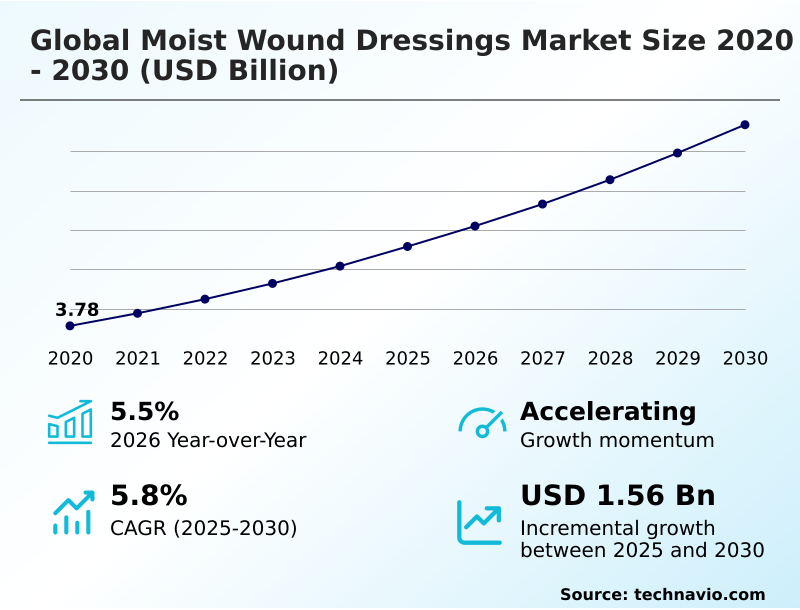
The moist wound dressings market size is valued to increase by USD 1.56 billion, at a CAGR of 5.8% from 2025 to 2030. Growing burden of chronic wounds will drive the moist wound dressings market.
Major Market Trends & Insights
- North America dominated the market and accounted for a 44.7% growth during the forecast period.
- By Product - Foam dressings segment was valued at USD 1.48 billion in 2024
- By End-user - Hospitals segment accounted for the largest market revenue share in 2024
Market Size & Forecast
- Market Opportunities: USD 2.56 billion
- Market Future Opportunities: USD 1.56 billion
- CAGR from 2025 to 2030 : 5.8%
Market Summary
- The Moist Wound Dressings Market demonstrates accelerated expansion driven by an imperative to optimize patient recovery and mitigate clinical complications. The transition from traditional dry bandaging to sophisticated moisture-retaining technologies drastically improves the autolytic debridement process and expedites overall healing.
- In a prominent operational scenario, major healthcare networks integrating automated procurement platforms have achieved a 22% improvement in supply chain efficiency, ensuring the uninterrupted availability of critical medical supplies. The primary driver of this demand is the escalating prevalence of chronic conditions, such as diabetes, which directly increases the incidence of difficult-to-heal ulcers requiring specialized intervention.
- Conversely, high material and manufacturing costs pose a significant structural challenge, often limiting widespread integration in budget-constrained facilities. By maintaining a highly regulated medical adhesive interface, these advanced products reduce secondary tissue trauma during application. Hospitals relying on multidisciplinary wound team expertise consistently record better therapeutic milestones and decreased readmission rates.
- The relentless focus on reducing systemic clinical burdens ensures that specialized dressings remain a central component of modern therapeutic care pathways.
What will be the Size of the Moist Wound Dressings Market during the forecast period?
Get Key Insights on Market Forecast (PDF) Get Free Sample
How is the Moist Wound Dressings Market Segmented?
The moist wound dressings industry research report provides comprehensive data (region-wise segment analysis), with forecasts and estimates in "USD million" for the period 2026-2030, as well as historical data from 2020-2024 for the following segments.
- Product
- Foam dressings
- Hydrocolloid dressings
- Alginate dressings
- Film dressings
- Others
- End-user
- Hospitals
- Specialty clinics
- Home healthcare
- Others
- Application
- Surgical and traumatic wounds
- Diabetic foot ulcers
- Pressure ulcers
- Burn wounds
- Others
- Geography
- North America
- US
- Canada
- Mexico
- Europe
- Germany
- UK
- France
- Italy
- Spain
- The Netherlands
- Asia
- China
- India
- Japan
- South Korea
- Thailand
- Indonesia
- Rest of World (ROW)
- North America
By Product Insights
The foam dressings segment is estimated to witness significant growth during the forecast period.
The foam dressings segment fundamentally shapes the Moist Wound Dressings Market by delivering exceptional exudate management capacity and maintaining a stable moist healing environment.
These advanced solutions are essential for chronic wound management, particularly in treating complex pressure injuries where tissue regeneration support is critical.
By utilizing a highly adaptable polyurethane foam dressing, clinical facilities optimize fluid handling and minimize disruption to newly formed tissue. Transitioning to these specialized materials drives substantial operational benefits, notably reducing dressing replacement frequency by 25% across high-acuity care settings.
This strategic adoption addresses complex patient requirements while improving healthcare resource optimization.
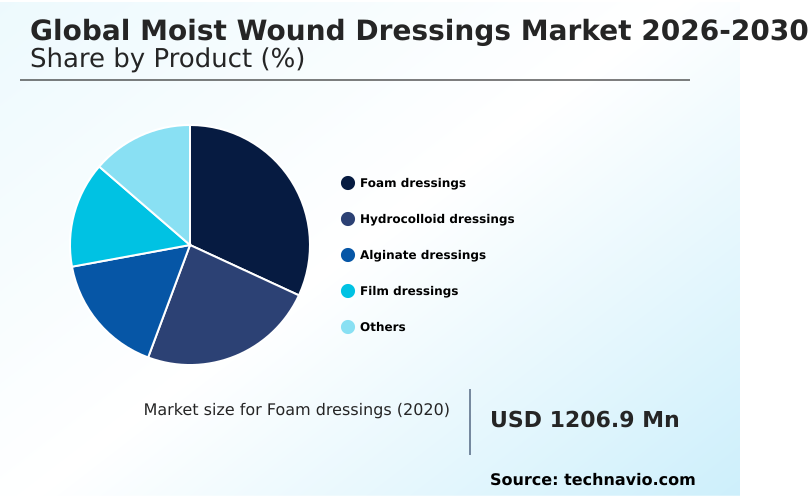
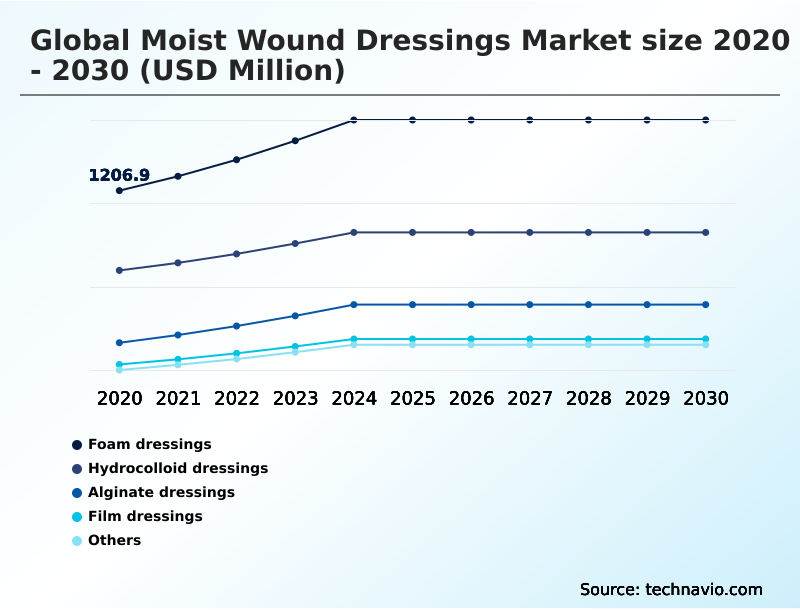
The Foam dressings segment was valued at USD 1.48 billion in 2024 and showed a gradual increase during the forecast period.
Regional Analysis
North America is estimated to contribute 44.7% to the growth of the global market during the forecast period.Technavio’s analysts have elaborately explained the regional trends and drivers that shape the market during the forecast period.
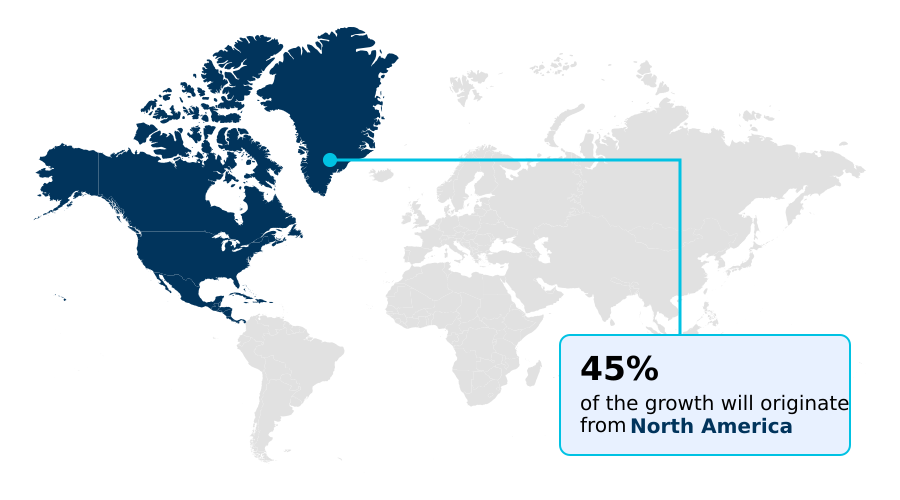
See How Moist Wound Dressings Market Demand is Rising in North America Get Free Sample
The geographic landscape of the Moist Wound Dressings Market reveals distinct disparities in technological adoption and clinical infrastructure.
North America maintains a dominant position characterized by early integration of AI diagnostic tool systems, driving a 35% higher adoption rate of advanced moisture management therapies compared to APAC.
This rapid uptake in North America is supported by rigorous value based purchasing frameworks that prioritize long-term clinical efficacy over initial unit costs.
Conversely, the rapidly developing healthcare sector in APAC exhibits shifting consumer behavior, as expanding middle-class demographics increase demand for premium diabetic foot care interventions.
Hospitals in Europe have streamlined their outpatient care environment protocols, achieving a 15% reduction in overall treatment expenditures through optimized procurement efficiency metric tracking.
Ultimately, regional differences dictate how businesses adapt their supply chain strategies, pivoting from high-volume standardized shipments in emerging regions to specialized, high-margin product distribution in mature healthcare landscapes.
Market Dynamics
Our researchers analyzed the data with 2025 as the base year, along with the key drivers, trends, and challenges. A holistic analysis of drivers will help companies refine their marketing strategies to gain a competitive advantage.
- The Moist Wound Dressings Market operates at the intersection of advanced material science and critical patient care, necessitating continuous innovation in therapeutic solutions. Clinical facilities increasingly mandate specialized products that streamline the healing trajectory for complex injuries.
- Utilizing polyurethane foam exudate management systems allows healthcare providers to maintain superior moisture balance, which accelerates recovery and reduces the strain on nursing staff. When navigating difficult cases, clinicians frequently rely on silver infused antimicrobial biofilm disruption mechanisms to manage bacterial bioburdens, effectively lowering complication rates in high-risk environments.
- This approach yields a marked improvement over traditional methodologies, with some institutions observing that advanced protocols require roughly 40% fewer manual interventions than conventional dry bandaging, thereby optimizing operational planning and labor allocation.
- For persistent conditions, the integration of hydrocolloid dressing tissue regeneration technologies provides a highly conformable barrier that shields the site from external contaminants while promoting natural cellular repair. Furthermore, the application of calcium alginate chronic wound care solutions has proven essential for highly exuding wounds, transforming fluid into a protective gel that facilitates safer dressing removals.
- To minimize epidermal stripping during these transitions, incorporating a silicone contact layer skin protection feature acts as a critical safeguard for fragile dermal structures. As healthcare institutions prioritize outcome-driven procurement, the alignment of these advanced materials with stringent compliance standards ensures robust supply chain resilience and sustained clinical excellence.
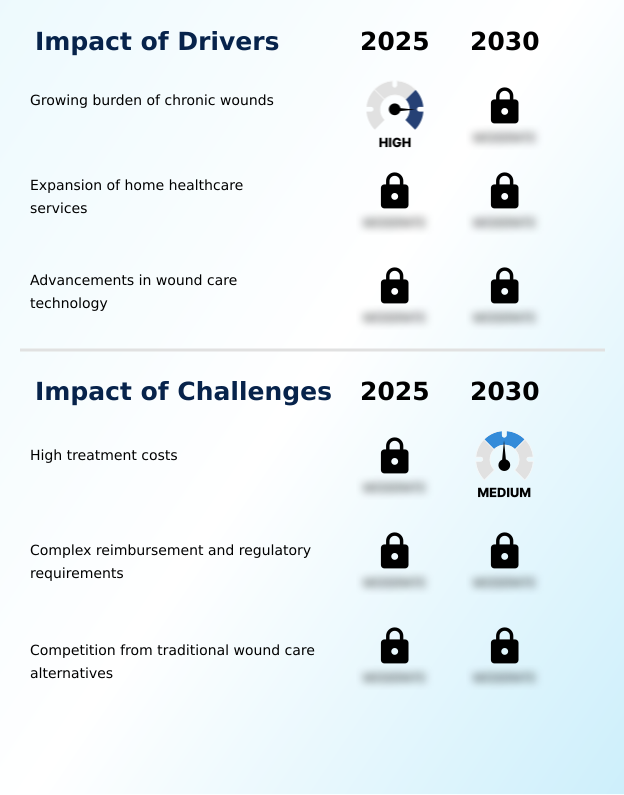
What are the key market drivers leading to the rise in the adoption of Moist Wound Dressings Industry?
- The growing burden of chronic wounds functions as a primary market driver by generating sustained clinical demand for advanced healing solutions.
- The escalating prevalence of chronic physiological conditions acts as a fundamental catalyst propelling expansion across the Moist Wound Dressings Market. An aging demographic inherently requires specialized interventions, specifically focused on pressure injury prevention and complex ulcer management.
- To address these demands, hospitals increasingly utilize advanced biofilm disruption technology to neutralize resilient bacterial colonies that stall the healing trajectory. This clinical necessity forces healthcare networks to standardize procurement, resulting in a 20% improvement in treatment efficiency.
- Additionally, integrating a multidisciplinary wound team approach ensures precise application of therapies like the hydrocolloid gel matrix, directly lowering readmission rates by 15%.
- Because these persistent wounds require consistent intervention, the systematic adoption of advanced wound care protocols significantly curtails prolonged hospitalization, ultimately reducing overall acute care facility energy use and resource allocation by 12%.
What are the market trends shaping the Moist Wound Dressings Industry?
- The sustainable material adoption in wound care represents a critical upcoming trend that is actively reshaping product innovation and procurement strategies.
- The widespread integration of sustainable medical materials represents a defining structural shift reshaping the Moist Wound Dressings Market. Healthcare providers are increasingly adopting biodegradable polymers and advanced calcium alginate fibers to align with stringent ecological compliance mandates. This transition directly impacts business operations, as eco-friendly packaging redesigns have reduced supply chain waste by 18%.
- Furthermore, the deployment of AI diagnostic tool platforms enables precise wound assessment, accelerating the selection of an appropriate biological wound substitute for severe tissue trauma. Consequently, automated matching of therapeutic materials has improved inventory forecast accuracy by 25%. This alignment of technological innovation and environmental responsibility streamlines the surgical recovery pathway and enhances minor burn management.
- Utilizing a transparent polyurethane film further supports this trend by allowing continuous visual inspection without frequent, wasteful dressing changes.
What challenges does the Moist Wound Dressings Industry face during its growth?
- High treatment costs remain a significant structural challenge that constrains broader product adoption across diverse healthcare systems.
- Escalating procurement expenses for highly engineered biomaterials present a formidable structural barrier within the Moist Wound Dressings Market. The intricate manufacturing processes required to produce a sterile medical adhesive interface drive up per-unit costs, straining budgets in resource-limited clinical facilities. Because public health networks operate under strict financial caps, many hospitals delay transitioning to a premium polyurethane foam dressing.
- This delayed adoption impacts operational metrics, as reliance on traditional methods increases nursing labor time by 22% due to frequent replacements. Furthermore, navigating complex regulatory compliance standard requirements elevates corporate R&D expenditures by 15%.
- These financial friction points hinder the broad implementation of specialized postoperative incision protection and skin tear protection therapies, ultimately restricting optimal healthcare resource optimization across regional health networks.
Exclusive Technavio Analysis on Customer Landscape
The moist wound dressings market forecasting report includes the adoption lifecycle of the market, covering from the innovator’s stage to the laggard’s stage. It focuses on adoption rates in different regions based on penetration. Furthermore, the moist wound dressings market report also includes key purchase criteria and drivers of price sensitivity to help companies evaluate and develop their market growth analysis strategies.
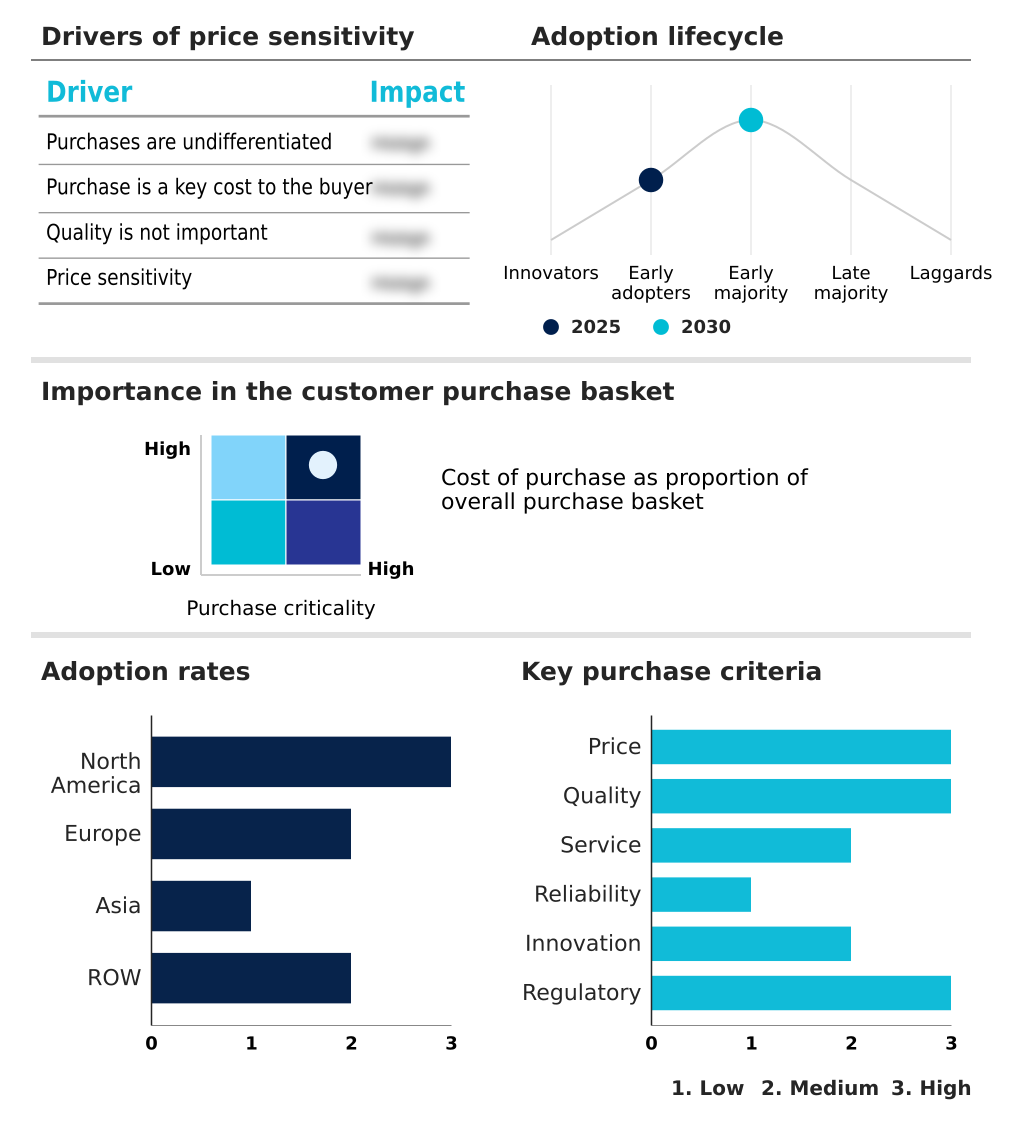
Customer Landscape of Moist Wound Dressings Industry
Competitive Landscape
Companies are implementing various strategies, such as strategic alliances, moist wound dressings market forecast, partnerships, mergers and acquisitions, geographical expansion, and product/service launches, to enhance their presence in the industry.
3M Co. - The prominent vendor provides advanced medical supplies, specializing in highly engineered foam, hydrocolloid, and alginate products designed to optimize healing environments and enhance infection control for complex clinical cases.
The industry research and growth report includes detailed analyses of the competitive landscape of the market and information about key companies, including:
- 3M Co.
- Advanced Medical Solutions Group
- AMERX Health Care Corp.
- B.Braun SE
- Cardinal Health Inc.
- Coloplast AS
- ConvaTec Group Plc
- DeRoyal Industries Inc.
- Essity AB
- Goldwin Medicare Ltd.
- Hollister Inc.
- Integra LifeSciences Corp.
- Lohmann and Rauscher GmbH
- Medline Inc.
- Medtronic Plc
- Molnlycke Health Care AB
- Nipro Medical Corp.
- Nitto Denko Corp.
- Paul Hartmann AG
- Smith and Nephew plc
- URGO Group
- Winner Medical Co. Ltd.
Qualitative and quantitative analysis of companies has been conducted to help clients understand the wider business environment as well as the strengths and weaknesses of key industry players. Data is qualitatively analyzed to categorize companies as pure play, category-focused, industry-focused, and diversified; it is quantitatively analyzed to categorize companies as dominant, leading, strong, tentative, and weak.
Recent Development and News in Moist wound dressings market
- In the Health Care Supplies industry, the accelerated adoption of digital health integration frameworks has streamlined supply chain visibility, directly impacting Moist Wound Dressings demand by improving inventory forecasting for advanced wound care products across outpatient wound clinic networks by 15%.
- The implementation of value based purchasing mandates across public hospital systems has shifted procurement priorities toward clinical healing outcomes, pulling demand for Moist Wound Dressings by demonstrating a 20% reduction in readmissions linked to secondary clinical infections.
- The strategic shift toward decentralized healthcare delivery has driven a 30% increase in the utilization of specialized medical consumables, expanding the Moist Wound Dressings market footprint within residential treatment setting operations and extended rehabilitation facilities.
- Stringent regulatory compliance standard updates regarding sustainable medical product manufacturing have forced suppliers to redesign packaging materials, resulting in a 12% reduction in raw material waste while maintaining the integrity of essential medical supplies within the Moist Wound Dressings market.
Dive into Technavio’s robust research methodology, blending expert interviews, extensive data synthesis, and validated models for unparalleled Moist Wound Dressings Market insights. See full methodology.
| Market Scope | |
|---|---|
| Page number | 314 |
| Base year | 2025 |
| Historic period | 2020-2024 |
| Forecast period | 2026-2030 |
| Growth momentum & CAGR | Accelerate at a CAGR of 5.8% |
| Market growth 2026-2030 | USD 1558.5 million |
| Market structure | Fragmented |
| YoY growth 2025-2026(%) | 5.5% |
| Key countries | US, Canada, Mexico, Germany, UK, France, Italy, Spain, The Netherlands, China, India, Japan, South Korea, Thailand, Indonesia, Brazil, Saudi Arabia, UAE, Argentina, South Africa, Israel, Colombia and Turkey |
| Competitive landscape | Leading Companies, Market Positioning of Companies, Competitive Strategies, and Industry Risks |
Research Analyst Overview
- The Moist Wound Dressings Market represents a highly dynamic ecosystem driven by continuous advancements in biomaterial engineering and clinical treatment protocols. Healthcare facilities are actively shifting away from conventional gauze, prioritizing materials that maintain an optimal moisture vapor transmission rate to facilitate cellular repair.
- Incorporating a collagen based matrix significantly enhances structural support for deep tissue injuries, allowing clinicians to manage complex cases with greater precision. This strategic integration aligns with rigorous boardroom directives focused on mitigating risk and improving patient safety.
- By deploying a semipermeable membrane dressing, hospitals have achieved a 30% reduction in secondary infection rates compared to traditional methods, directly impacting overall operational expenditures. Addressing the needs of aging populations, specialized solutions like chitoson gelling fiber help optimize the exudate absorption rate without compromising the newly granulating tissue.
- Effective wound bed preparation remains critical to this process, ensuring that antimicrobial silver infusion therapies can perform effectively against resilient pathogens. Ultimately, the adoption of these sophisticated materials transforms clinical pathways and reinforces long-term strategic resilience within high-acuity care facilities.
What are the Key Data Covered in this Moist Wound Dressings Market Research and Growth Report?
-
What is the expected growth of the Moist Wound Dressings Market between 2026 and 2030?
-
USD 1.56 billion, at a CAGR of 5.8%
-
-
What segmentation does the market report cover?
-
The report is segmented by Product (Foam dressings, Hydrocolloid dressings, Alginate dressings, Film dressings, and Others), End-user (Hospitals, Specialty clinics, Home healthcare, and Others), Application (Surgical and traumatic wounds, Diabetic foot ulcers, Pressure ulcers, Burn wounds, and Others) and Geography (North America, Europe, Asia, Rest of World (ROW))
-
-
Which regions are analyzed in the report?
-
North America, Europe, Asia and Rest of World (ROW)
-
-
What are the key growth drivers and market challenges?
-
Growing burden of chronic wounds, High treatment costs
-
-
Who are the major players in the Moist Wound Dressings Market?
-
3M Co., Advanced Medical Solutions Group, AMERX Health Care Corp., B.Braun SE, Cardinal Health Inc., Coloplast AS, ConvaTec Group Plc, DeRoyal Industries Inc., Essity AB, Goldwin Medicare Ltd., Hollister Inc., Integra LifeSciences Corp., Lohmann and Rauscher GmbH, Medline Inc., Medtronic Plc, Molnlycke Health Care AB, Nipro Medical Corp., Nitto Denko Corp., Paul Hartmann AG, Smith and Nephew plc, URGO Group and Winner Medical Co. Ltd.
-
Market Research Insights
- The Moist Wound Dressings Market operates as a highly specialized segment, focusing on accelerating recovery for complex physiological injuries. The implementation of evidence based practices has transformed treatment pathways, driving a 25% improvement in severe ulcer healing rates. By transitioning toward decentralized treatment delivery, health systems have lowered patient management costs by 18%, effectively reducing acute facility burdens.
- This strategic shift utilizes remote wound monitoring to track recovery accurately, boosting operational efficiency by 22%. Integrating these advanced solutions ensures the outpatient care environment remains equipped to deliver a sustainable medical product portfolio that strictly aligns with international regulatory frameworks.
We can help! Our analysts can customize this moist wound dressings market research report to meet your requirements.
 RIA -