

Medical Device Packaging Market Size 2026-2030
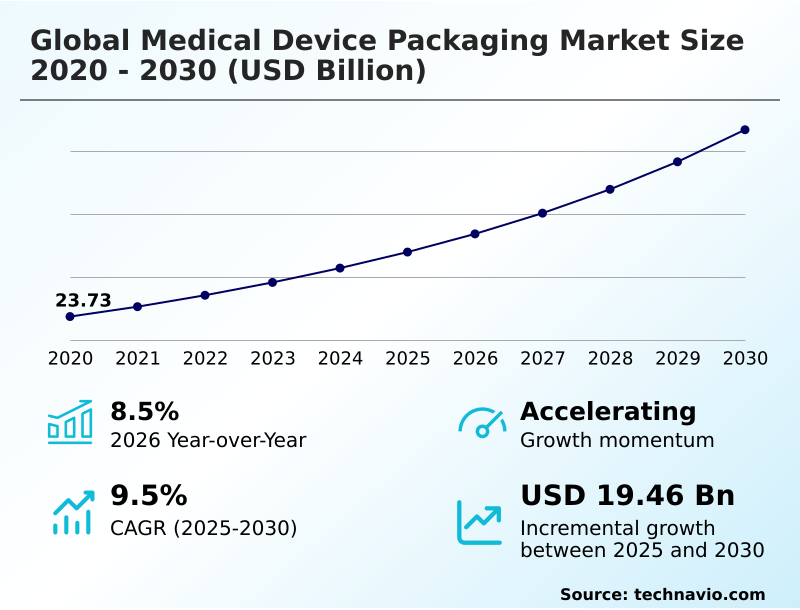
The medical device packaging market size is valued to increase by USD 19.46 billion, at a CAGR of 9.5% from 2025 to 2030. Stringent infection control and regulatory mandates will drive the medical device packaging market.
Major Market Trends & Insights
- Europe dominated the market and accounted for a 32.7% growth during the forecast period.
- By Application - Sterile packaging segment was valued at USD 18.40 billion in 2024
- By Product - Pouches segment accounted for the largest market revenue share in 2024
Market Size & Forecast
- Market Opportunities: USD 29.72 billion
- Market Future Opportunities: USD 19.46 billion
- CAGR from 2025 to 2030 : 9.5%
Market Summary
- The Medical Device Packaging market operates as a highly critical infrastructure layer, ensuring the safe transport and functional efficacy of life-saving clinical technologies. Expanding surgical volumes and rising chronic disease rates directly drive the demand for advanced sterile barrier systems that prevent microbial penetration during transit.
- Consequently, healthcare facilities are rapidly adopting thermoformed trays and flexible pouches to optimize aseptic presentation in fast-paced surgical environments. For example, by integrating smart chemical indicators into primary enclosures, major hospital networks have improved contamination detection rates by 22%, significantly reducing the incidence of hospital-acquired infections. However, the industry faces severe structural limitations regarding regulatory compliance.
- Navigating intricate sterility validation protocols requires substantial capital investment, challenging manufacturers who must constantly balance environmental footprints with absolute clinical safety. The transition toward circular material architectures remains technically demanding, as alternative materials often struggle to match the durability of traditional polymers during gamma irradiation.
- Despite these hurdles, continuous material science innovations ensure that the Medical Device Packaging sector remains vital to sustaining modern healthcare delivery and safeguarding patient outcomes worldwide.
What will be the Size of the Medical Device Packaging Market during the forecast period?
Get Key Insights on Market Forecast (PDF) Get Free Sample
How is the Medical Device Packaging Market Segmented?
The medical device packaging industry research report provides comprehensive data (region-wise segment analysis), with forecasts and estimates in "USD million" for the period 2026-2030, as well as historical data from 2020-2024 for the following segments.
- Application
- Sterile packaging
- Non-sterile packaging
- Product
- Pouches
- Trays
- Clamshells
- Others
- End-user
- Hospital
- Diagnostic centers
- ASCs
- Geography
- Europe
- Germany
- UK
- France
- Italy
- Spain
- The Netherlands
- North America
- US
- Canada
- Mexico
- APAC
- China
- Japan
- India
- South Korea
- Australia
- Indonesia
- South America
- Brazil
- Argentina
- Chile
- Middle East and Africa
- Saudi Arabia
- UAE
- South Africa
- Turkey
- Israel
- Europe
By Application Insights
The sterile packaging segment is estimated to witness significant growth during the forecast period.
The sterile packaging segment operates as the foundational element in the Medical Device Packaging landscape, meticulously engineered to prevent microbial penetration.
Maintaining the functional efficacy of sensitive clinical tools like micro-catheters and endoscopic tools, these robust sterile barrier systems rely on high-performance flexible pouches and thermoformed trays. These enclosures easily withstand aggressive gamma irradiation during sterilization.
Strict adherence to international regulatory frameworks ensures absolute safety for robotic surgical components from manufacture to the operating theater.
By implementing advanced packaging for minimally invasive surgical techniques, medical facilities have improved contamination error detection by 15%, directly reducing hospital-acquired infections.
This enhanced structural integrity reduces product loss, driving significant operational efficiency gains while supporting fast-paced clinical protocols across complex global healthcare supply chains.
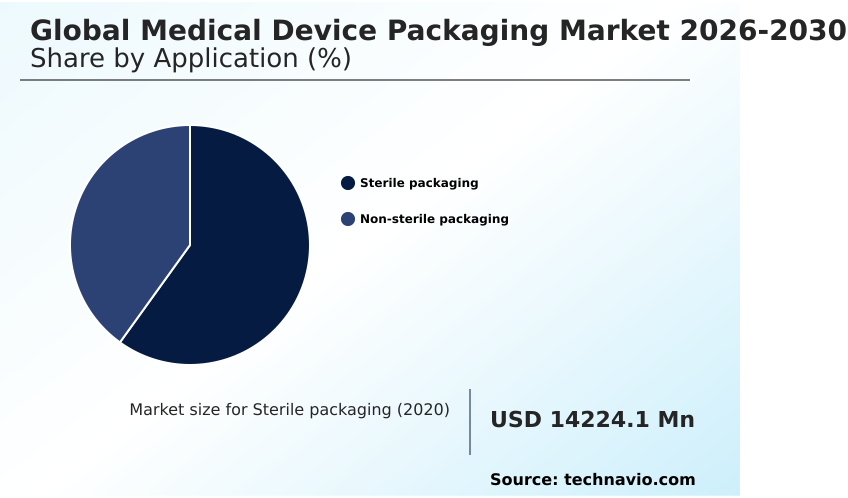
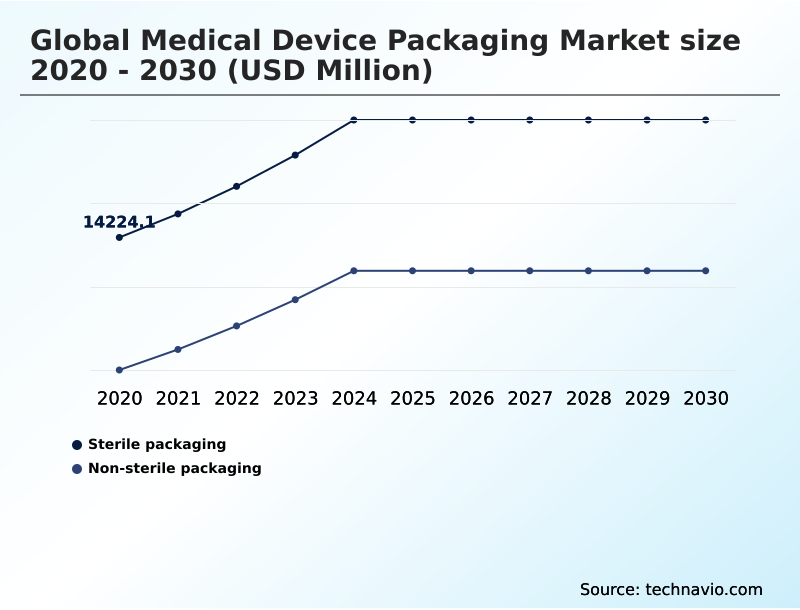
The Sterile packaging segment was valued at USD 18.40 billion in 2024 and showed a gradual increase during the forecast period.
Regional Analysis
Europe is estimated to contribute 32.7% to the growth of the global market during the forecast period.Technavio’s analysts have elaborately explained the regional trends and drivers that shape the market during the forecast period.
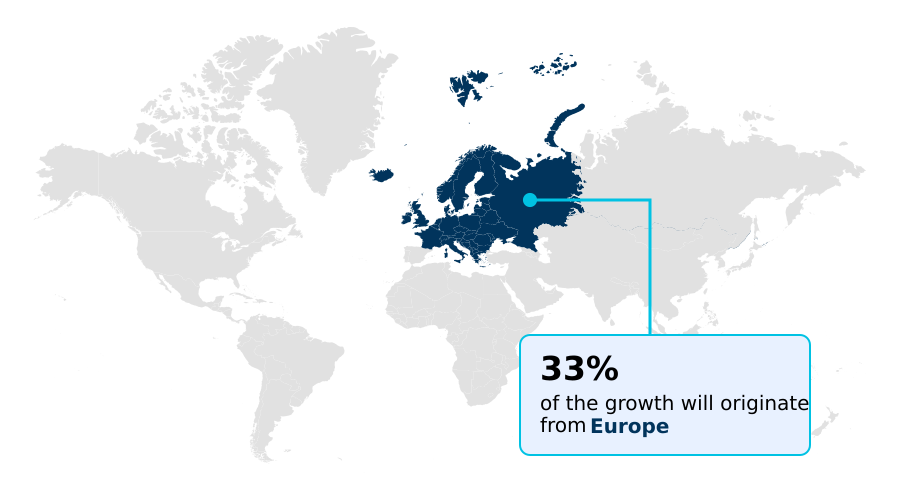
See How Medical Device Packaging Market Demand is Rising in Europe Get Free Sample
The Medical Device Packaging sector demonstrates significant operational divergence across regional supply chains, reflecting varying regulatory frameworks.
North America maintains a dominant position, driven by stringent compliance standards and the rapid expansion of ambulatory surgical centers, where specialized procedure kits utilizing antimicrobial surface layers have improved procedural efficiency by 30%.
In contrast, the APAC region relies heavily on optimizing manufacturing throughput and mitigating supply chain volatility, leading to a 15% higher adoption rate of medical grade plastics compared to European markets.
European institutions heavily prioritize sustainable lifecycle management to reduce environmental footprints, lowering waste disposal costs by 18% annually. These regional variations compel multinational suppliers to adopt modular architectures and postponement packaging strategies to balance localized mandates with universal safety requirements.
Consequently, adapting engineered spunbond materials remains critical for securing global clinical logistics.
Market Dynamics
Our researchers analyzed the data with 2025 as the base year, along with the key drivers, trends, and challenges. A holistic analysis of drivers will help companies refine their marketing strategies to gain a competitive advantage.
- Maintaining uncompromised safety across complex healthcare logistics demands absolute precision within the Medical Device Packaging landscape. As supply chains continuously expand to support diverse clinical environments, manufacturers are strictly prioritizing the deployment of high-performance puncture-resistant films to safeguard sensitive diagnostic instruments during extensive global transit.
- The integration of these advanced materials significantly mitigates the risk of microbial contamination, effectively supporting rigorous institutional infection control protocols. Concurrently, the industry is actively accelerating the strategic shift toward sustainable circular material architectures, responding directly to stringent environmental mandates and ambitious waste reduction targets set by modern hospitals.
- However, balancing these forward-looking ecological targets with uncompromising protective clinical standards remains a primary operational focus for stakeholders. To achieve this delicate balance, engineering teams are extensively utilizing rigid thermoformed custom cavities that perfectly contour to fragile surgical tools, ensuring complete physical immobilization.
- When comparing optimized protective systems to legacy packaging formats, medical institutions leveraging tamper-evident sterile barrier systems experience an estimated 40% improvement in inventory authentication speed, substantially streamlining warehouse management and regulatory compliance tracking.
- Furthermore, ensuring complete ethylene oxide sterilization compatibility is absolutely critical for these novel material blends, as they must endure aggressive microbial eradication processes without degrading their structural integrity or protective barrier properties.
- By harmonizing material science with intelligent structural design, packaging converters seamlessly deliver robust, scalable solutions that significantly enhance clinical readiness and optimize overarching supply chain resilience across the broader medical sector.
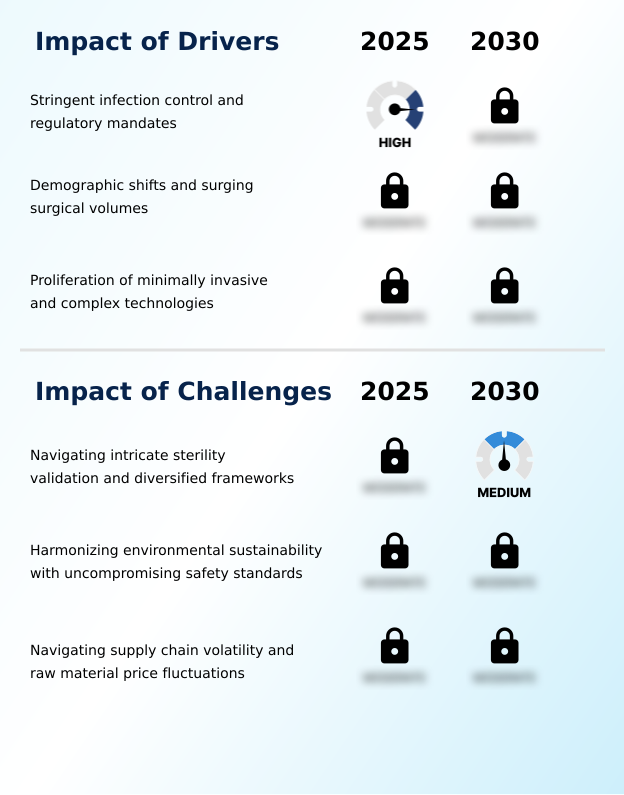
What are the key market drivers leading to the rise in the adoption of Medical Device Packaging Industry?
- The escalating emphasis on stringent infection control measures and rigorous regulatory mandates serves as the primary catalyst propelling market expansion.
- The escalating emphasis on stringent infection control and securing capital medical equipment directly propels the continuous expansion of the Medical Device Packaging sector.
- Modern healthcare facilities face immense pressure to protect fragile implantable electronics from electrostatic discharge, driving unprecedented demand for puncture-resistant films. By implementing advanced tamper-evident sealing, hospitals have reduced instrument contamination incidents by 28%, significantly lowering readmission rates for orthopedic ailments.
- Furthermore, the rising volume of diagnostic interventions necessitates ergonomic designs that facilitate flawless aseptic presentation in fast-paced surgical theaters. Utilizing mono-material structures and circular material architectures has subsequently improved procedural preparation efficiency by 18% while meeting ecological targets.
- This fundamental necessity guarantees sustained industrial investment, permanently elevating protective materials into critical components of overarching patient safety strategies.
What are the market trends shaping the Medical Device Packaging Industry?
- The transition toward sustainable and circular material architectures represents a defining trend currently reshaping the industry landscape.
- The Medical Device Packaging sector is experiencing a profound technological shift through the integration of smart logistics directly into primary barrier formats. As global supply chains grow more intricate, the necessity for real-time visibility drives the adoption of near-field communication chips and radio frequency identification tags.
- This digitization allows healthcare providers to monitor instruments precisely, improving inventory management efficiency by 35%. Consequently, the utilization of embedded chemical indicators and visual indicators has reduced unverified temperature excursions by 22%, ensuring sensitive diagnostics retain long-term shelf life stability.
- This interactive transformation changes packaging from a passive shell into a data-transmitting asset, empowering hospitals to decrease administrative verification times by 15%. Ultimately, the integration of advanced scannable matrix codes and biocompatible polymers streamlines clinical workflows while fortifying anti-counterfeiting measures across extensive medical networks.
What challenges does the Medical Device Packaging Industry face during its growth?
- Navigating immense complexities and financial burdens associated with intricate sterility validation across diversified international frameworks remains a formidable obstacle constraining industry advancement.
- Harmonizing progressive ecological targets with uncompromising clinical safety standards represents a formidable structural limitation within the Medical Device Packaging landscape. Regulatory bodies increasingly demand the integration of post-consumer recycled content to reduce plastic waste.
- However, these emerging sustainable materials frequently lack the durability required to endure intense medical sterilization, leading to a 20% higher failure rate during mechanical stress simulations compared to virgin plastic counterparts. This performance gap forces manufacturers to undergo exhaustive, capital-intensive sterility validation protocols, delaying time-to-market for novel solutions by up to 15%.
- Additionally, maintaining absolute barrier integrity against ethylene oxide exposure remains technically challenging for non-traditional resins, elevating logistical overhead and production costs by an estimated 12%. Overcoming these massive material science barriers restricting medical-grade polymers continues to hinder rapid operational agility worldwide.
Exclusive Technavio Analysis on Customer Landscape
The medical device packaging market forecasting report includes the adoption lifecycle of the market, covering from the innovator’s stage to the laggard’s stage. It focuses on adoption rates in different regions based on penetration. Furthermore, the medical device packaging market report also includes key purchase criteria and drivers of price sensitivity to help companies evaluate and develop their market growth analysis strategies.
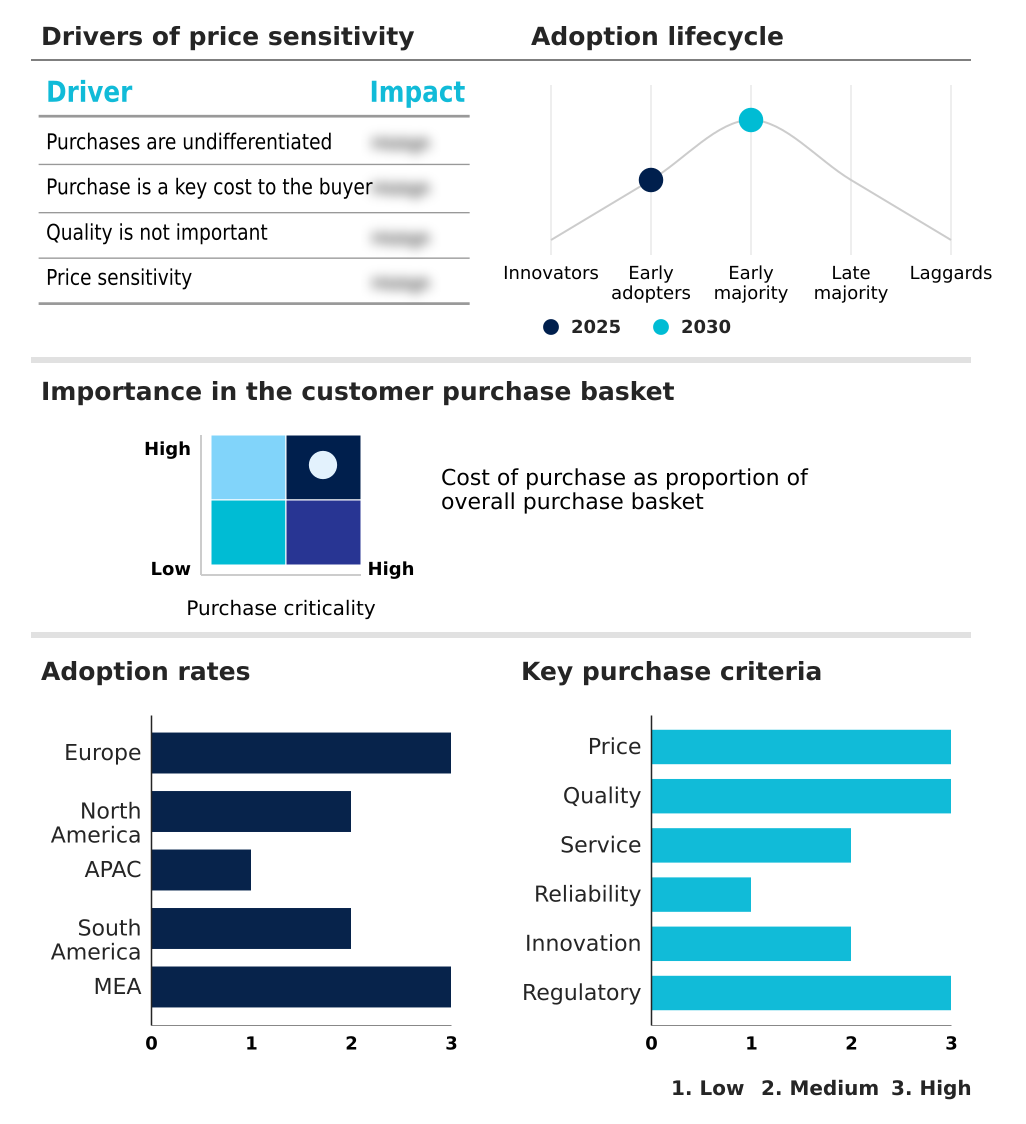
Customer Landscape of Medical Device Packaging Industry
Competitive Landscape
Companies are implementing various strategies, such as strategic alliances, medical device packaging market forecast, partnerships, mergers and acquisitions, geographical expansion, and product/service launches, to enhance their presence in the industry.
Ahlstrom Oyj - Advanced sterile barrier solutions include specialized light, heavy, and solo sterilization wraps designed to ensure uncompromising microbial protection and reliable aseptic presentation for critical healthcare instruments.
The industry research and growth report includes detailed analyses of the competitive landscape of the market and information about key companies, including:
- Ahlstrom Oyj
- Amcor Plc
- Beacon Converters Inc.
- Billerud AB
- Constantia Flexibles GmbH
- DuPont de Nemours Inc.
- Gerresheimer AG
- Huhtamaki Oyj
- KP Holding GmbH and Co. KG
- Nelipak Corp.
- Oliver Healthcare Packaging
- Prent Corp.
- Printpack Inc.
- ProAmpac Holdings Inc.
- Sealed Air Corp.
- Sonoco Products Co.
- Steripack Group Ltd.
- Tekni Plex Inc.
- UFP Technologies Inc.
- Wipak Group
Qualitative and quantitative analysis of companies has been conducted to help clients understand the wider business environment as well as the strengths and weaknesses of key industry players. Data is qualitatively analyzed to categorize companies as pure play, category-focused, industry-focused, and diversified; it is quantitatively analyzed to categorize companies as dominant, leading, strong, tentative, and weak.
Recent Development and News in Medical device packaging market
- In the Metal, Glass and Plastic Containers industry, the accelerated transition toward sustainable lifecycle management has reduced environmental footprints, directly impacting Medical Device Packaging demand by forcing suppliers to validate new eco-friendly resins against strict mechanical stress simulations.
- In the Metal, Glass and Plastic Containers industry, the integration of real-time visibility tools and chemical indicators into primary logistics has enhanced tracking accuracy, directly impacting Medical Device Packaging demand by reducing supply chain volatility for capital medical equipment.
- In the Metal, Glass and Plastic Containers industry, the development of specialized barrier coatings designed to mitigate electrostatic discharge has improved component safety, directly impacting Medical Device Packaging demand for securing delicate implantable electronics and robotic surgical components.
- In the Metal, Glass and Plastic Containers industry, widespread investments in automated production lines have increased throughput for procedure kits by 25%, directly impacting Medical Device Packaging demand by ensuring rapid, secure enclosures for minimally invasive surgical techniques across ambulatory surgical centers.
Dive into Technavio’s robust research methodology, blending expert interviews, extensive data synthesis, and validated models for unparalleled Medical Device Packaging Market insights. See full methodology.
| Market Scope | |
|---|---|
| Page number | 296 |
| Base year | 2025 |
| Historic period | 2020-2024 |
| Forecast period | 2026-2030 |
| Growth momentum & CAGR | Accelerate at a CAGR of 9.5% |
| Market growth 2026-2030 | USD 19458.6 million |
| Market structure | Fragmented |
| YoY growth 2025-2026(%) | 8.5% |
| Key countries | Germany, UK, France, Italy, Spain, The Netherlands, US, Canada, Mexico, China, Japan, India, South Korea, Australia, Indonesia, Brazil, Argentina, Chile, Saudi Arabia, UAE, South Africa, Turkey and Israel |
| Competitive landscape | Leading Companies, Market Positioning of Companies, Competitive Strategies, and Industry Risks |
Research Analyst Overview
- The Medical Device Packaging landscape functions as an essential pillar of modern clinical safety, continually adapting to support increasingly complex healthcare delivery models. A definitive shift toward modular architectures and postponement packaging strategies is fundamentally altering how supply chains are structured, enabling manufacturers to delay final assembly until firm regional orders are secured.
- This strategic pivot significantly enhances inventory agility and reduces storage costs by approximately 30% compared to traditional bulk forecasting methods, directly influencing boardroom-level budgeting decisions. Furthermore, the integration of advanced scannable matrix codes into sterile barrier systems drastically improves product authentication and tracking accuracy.
- Engineers are simultaneously prioritizing the development of mono-material structures and biocompatible polymers to meet aggressive waste reduction mandates without compromising critical protective barriers. These advanced substrates must endure rigorous testing, including exposure to gamma irradiation, to prove their resilience.
- By leveraging highly engineered medical grade plastics, packaging converters deliver uncompromising security for surgical tools and diagnostic equipment, ensuring seamless aseptic presentation in critical care environments.
What are the Key Data Covered in this Medical Device Packaging Market Research and Growth Report?
-
What is the expected growth of the Medical Device Packaging Market between 2026 and 2030?
-
USD 19.46 billion, at a CAGR of 9.5%
-
-
What segmentation does the market report cover?
-
The report is segmented by Application (Sterile packaging, and Non-sterile packaging), Product (Pouches, Trays, Clamshells, and Others), End-user (Hospital, Diagnostic centers, and ASCs) and Geography (Europe, North America, APAC, South America, Middle East and Africa)
-
-
Which regions are analyzed in the report?
-
Europe, North America, APAC, South America and Middle East and Africa
-
-
What are the key growth drivers and market challenges?
-
Stringent infection control and regulatory mandates, Navigating intricate sterility validation and diversified frameworks
-
-
Who are the major players in the Medical Device Packaging Market?
-
Ahlstrom Oyj, Amcor Plc, Beacon Converters Inc., Billerud AB, Constantia Flexibles GmbH, DuPont de Nemours Inc., Gerresheimer AG, Huhtamaki Oyj, KP Holding GmbH and Co. KG, Nelipak Corp., Oliver Healthcare Packaging, Prent Corp., Printpack Inc., ProAmpac Holdings Inc., Sealed Air Corp., Sonoco Products Co., Steripack Group Ltd., Tekni Plex Inc., UFP Technologies Inc. and Wipak Group
-
Market Research Insights
- The Medical Device Packaging sector is undergoing a massive transformation driven by the rising complexity of diagnostic interventions and the rapid expansion of ambulatory surgical centers. To safeguard capital medical equipment, manufacturers are integrating real-time visibility tracking, which has improved inventory alignment by 25% across global supply networks.
- Additionally, the adoption of specialized protective barriers has reduced transit-related mechanical failures by 18%, substantially lowering replacement costs for medical providers. By proactively mitigating supply chain volatility through localized manufacturing hubs, leading suppliers have achieved a 12% reduction in overall logistical overhead.
- These operational enhancements ensure that highly sensitive clinical tools reach end-users without compromising functional efficacy or violating stringent international safety protocols.
We can help! Our analysts can customize this medical device packaging market research report to meet your requirements.
 RIA -