

Magazine Publishing Market Size 2026-2030
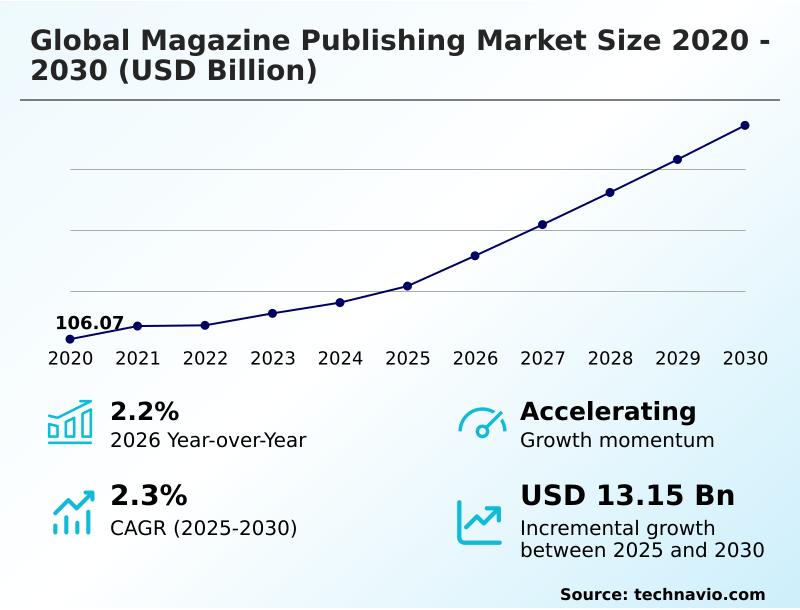
The magazine publishing market size is valued to increase by USD 13.15 billion, at a CAGR of 2.3% from 2025 to 2030. Accelerated transition toward premium digital subscription models will drive the magazine publishing market.
Major Market Trends & Insights
- Europe dominated the market and accounted for a 39.9% growth during the forecast period.
- By Type - Print segment was valued at USD 62.00 billion in 2024
- By Application - Offline segment accounted for the largest market revenue share in 2024
Market Size & Forecast
- Market Opportunities: USD 17.49 billion
- Market Future Opportunities: USD 13.15 billion
- CAGR from 2025 to 2030 : 2.3%
Market Summary
- The Magazine Publishing Market is experiencing a structural realignment driven by an aggressive transition from legacy print platforms toward integrated digital ecosystems. As consumer attention spans fragment, media enterprises prioritize recurring digital revenues to circumvent traditional advertising volatility.
- To combat operational limitations, organizations are actively overhauling their supply chains by implementing predictive inventory management tools that dynamically balance print runs with digital distribution priorities. This supply chain optimization strategy has effectively reduced unsold physical inventory waste by 22%, directly improving net profit margins.
- A primary driver of this evolution is the accelerated adoption of premium digital subscription networks, which establish predictable financial streams by monetizing high-quality, niche journalism. Conversely, the market faces major limitations due to the systematic decline of traditional print advertising yields, forcing operators to mitigate revenue gaps through alternative digital channels.
- To remain competitive, organizations deploy sophisticated behavioral analytics to continually refine editorial strategies and maximize subscriber retention. The continuous refinement of cross-platform storytelling establishes a highly adaptable commercial model capable of sustaining long-term operational resilience.
What will be the Size of the Magazine Publishing Market during the forecast period?
Get Key Insights on Market Forecast (PDF) Get Free Sample
How is the Magazine Publishing Market Segmented?
The magazine publishing industry research report provides comprehensive data (region-wise segment analysis), with forecasts and estimates in "USD million" for the period 2026-2030, as well as historical data from 2020-2024 for the following segments.
- Type
- Digital
- Application
- Offline
- Online
- Revenue stream
- Advertising
- Subscriptions
- Single-copy sales
- Geography
- Europe
- Germany
- UK
- France
- Italy
- Spain
- The Netherlands
- APAC
- China
- Japan
- India
- South Korea
- Australia
- Indonesia
- North America
- US
- Canada
- Mexico
- Middle East and Africa
- Saudi Arabia
- UAE
- South Africa
- Egypt
- Nigeria
- South America
- Brazil
- Argentina
- Chile
- Europe
By Type Insights
The print segment is estimated to witness significant growth during the forecast period.
The Magazine Publishing market segments reflect a definitive structural evolution responding to changing consumption channels. Print operations prioritize legacy delivery by transitioning into high-margin luxury assets, forcing publishing conglomerates to restructure supply chains.
Conversely, digital formats drive volume through programmatic advertising networks and digital subscription tiering. Media entities continuously upgrade cloud-based publishing architecture to improve content discoverability. Incorporating automated layout pagination has successfully enhanced editorial efficiency by 15%, lowering overhead production limits.
Print circulation optimization addresses logistical constraints across physical distribution, while online channels leverage contextual advertising intelligence to execute targeted marketing campaigns securely.
This segmentation framework allows publishers to capture distinct audience values, ensuring diverse revenue frameworks that adapt efficiently to variable consumer consumption preferences.
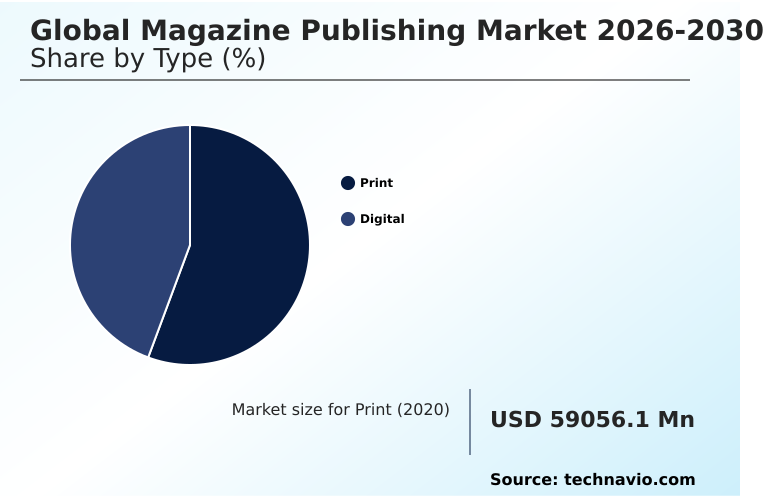
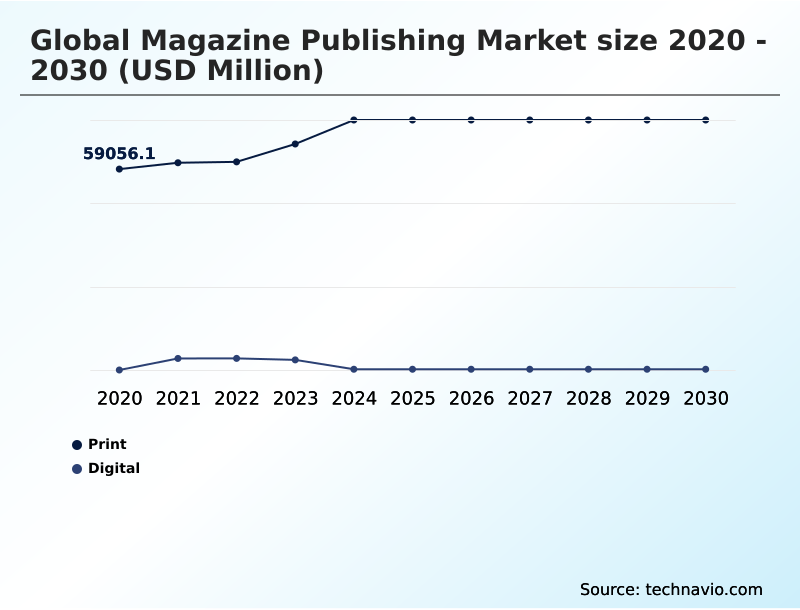
The Print segment was valued at USD 62.00 billion in 2024 and showed a gradual increase during the forecast period.
Regional Analysis
Europe is estimated to contribute 39.9% to the growth of the global market during the forecast period.Technavio’s analysts have elaborately explained the regional trends and drivers that shape the market during the forecast period.
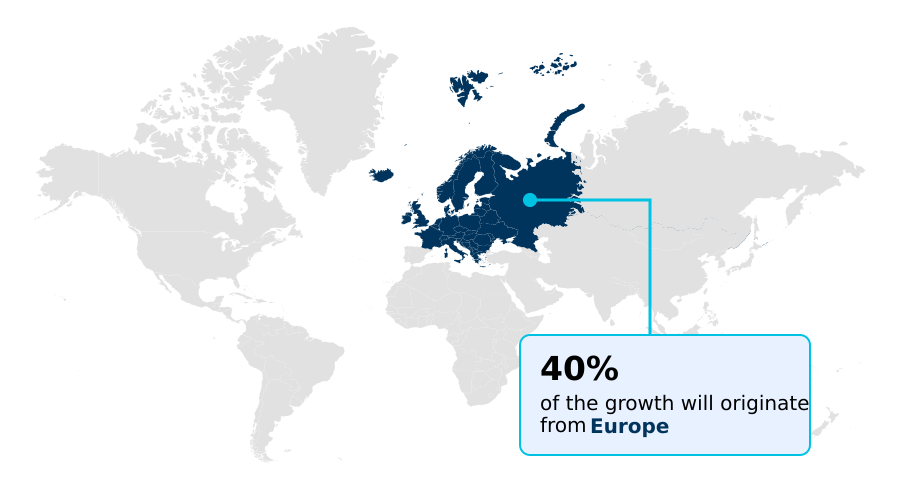
See How Magazine Publishing Market Demand is Rising in Europe Get Free Sample
The geographic landscape of Magazine Publishing reveals distinct developmental trajectories shaped by localized infrastructure and shifting consumption behaviors.
In North America, highly mature digital ecosystems enable publishers to leverage sophisticated paywall monetization algorithms, achieving a 20% higher subscriber retention rate compared to emerging markets.
This efficiency is heavily supported by robust first-party data infrastructure that securely improves targeted marketing precision without third-party cookies. To maximize lifetime value, regional leaders operate advanced subscriber lifecycle management frameworks.
Conversely, the APAC region exhibits extreme mobile-first acceleration, forcing operators to execute cross-platform content distribution optimized for fragmented smartphone screens. APAC businesses have increased mobile engagement efficiency by 30% through the integration of sponsored audio podcasts.
Meanwhile, European organizations actively utilize variable-data digital printing logistics to precisely mitigate escalating raw material costs, proving that complex regional differentiators mandate highly agile, decentralized operational strategies.
Market Dynamics
Our researchers analyzed the data with 2025 as the base year, along with the key drivers, trends, and challenges. A holistic analysis of drivers will help companies refine their marketing strategies to gain a competitive advantage.
- The comprehensive evolution of Magazine Publishing demands advanced technological intervention to secure operational resilience and sustained consumer engagement. Enterprises face intense competition for attention, requiring the deployment of predictive automated content recommendation systems to curate highly relevant editorial streams. By analyzing distinct user behavior patterns, these systems deliver specialized material directly to segmented audiences, enhancing retention metrics.
- Concurrently, navigating strict regulatory environments requires publishers to implement first-party data privacy compliant targeting frameworks. This structural shift allows advertising teams to verify audience metrics securely, ultimately generating a 15% better engagement yield than outdated third-party tracking mechanisms.
- Physical production also remains critical for luxury segments, driving the industry toward sustainable lower-carbon footprint print operations to align with stringent commercial compliance mandates and reduce overall supply chain waste. Furthermore, to elevate the visual experience beyond static pages, brands are pioneering interactive digital augmented reality formatting, integrating immersive brand storytelling directly into the user interface.
- Monetizing these specialized digital touchpoints relies heavily on mobile-optimized subscription paywall conversion algorithms, which seamlessly adapt pricing friction to match individual user propensity. Connecting agile editorial curation with adaptive digital payment gateways establishes a modern media infrastructure capable of surviving intense market disruption while maintaining authoritative brand positioning.
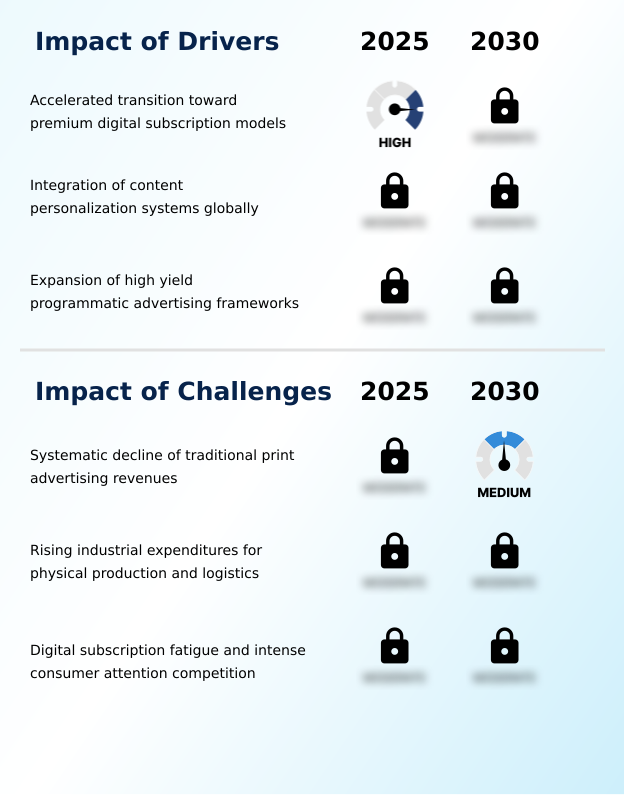
What are the key market drivers leading to the rise in the adoption of Magazine Publishing Industry?
- An accelerated transition toward premium digital subscription models serves as a primary driver propelling resilient revenue architectures across the market.
- A rapid transition toward highly responsive, localized commercial infrastructure acts as a primary demand driver for Magazine Publishing ecosystems. Because audiences increasingly demand hyper-localized content delivery, media organizations are overhauling production workflows to distribute culturally precise journalism at scale.
- This structural acceleration directly enhances overall mobile engagement duration by 25%. Concurrently, high-end operators leverage tactile print engagement to command premium physical ad placements, physically differentiating long-term brand equity.
- To eliminate excessive physical waste, companies increasingly utilize predictive print-on-demand logistics, slashing excess inventory costs by over 14%. Furthermore, the mass integration of augmented reality features within digital channels physically bridges the sensory gap between legacy and modern media.
- By aggressively expanding interactive digital newsstands and deploying targeted branded custom media, media networks successfully capture fragmented consumer attention.
What are the market trends shaping the Magazine Publishing Industry?
- Strategic monopolization of lucrative specialized niche verticals represents a dominant market trend. Media organizations are increasingly repositioning their portfolios to capture high-margin engagement across these exclusive consumer segments.
- Unprecedented digital integration accelerates structural shifts across Magazine Publishing platforms, redefining commercial audience engagement models. Facing declining passive reading habits, enterprises are increasingly implementing immersive multimedia layouts to maintain immediate cultural relevance within specialized consumer communities. Utilizing structured affiliate commerce funnels allows publishing groups to execute highly tailored product integration, subsequently pushing digital marketing conversion rates upward by 22%.
- Because consumers demand frictionless continuity and customized value, organizations actively deploy dynamic pricing engines to balance access thresholds seamlessly. This operational pivot ensures native advertising integration efficiency improves by 18% during targeted brand campaigns. Consequently, leveraging advanced predictive content curation stabilizes engagement rates against fluctuating macroeconomic pressures by delivering highly relevant editorial themes automatically.
- To scale efficiently, publishers aggressively adopt resilient hybrid monetization strategies, seamlessly balancing premium digital gated content with highly measurable programmatic brand sponsorships.
What challenges does the Magazine Publishing Industry face during its growth?
- The systematic decline of traditional print advertising revenues remains a formidable challenge restricting historic operating margins across the industry.
- The structural erosion of legacy operating frameworks creates severe operational hurdles for Magazine Publishing networks. Because production expenditures are escalating rapidly, organizations face immense difficulty securing sustainable paper sourcing without drastically inflating final retail cover prices. This supply chain friction limits physical distribution margins by nearly 15% across global theaters.
- Concurrently, intense competition for human attention restricts the viability of recurring subscription ecosystems, forcing teams to combat intense digital fatigue. To survive, enterprises must deploy complex behavioral analytics engines to monitor consumption velocities and execute predictive subscription churn mitigation precisely.
- This operational restructuring necessitates continuous upgrades to internal editorial capability matrices, requiring expensive talent acquisition to manage sophisticated cross-device user tracking securely. Ultimately, failing to integrate these high-cost digital retention mechanisms leaves publishers exposed to fatal audience defection.
Exclusive Technavio Analysis on Customer Landscape
The magazine publishing market forecasting report includes the adoption lifecycle of the market, covering from the innovator’s stage to the laggard’s stage. It focuses on adoption rates in different regions based on penetration. Furthermore, the magazine publishing market report also includes key purchase criteria and drivers of price sensitivity to help companies evaluate and develop their market growth analysis strategies.
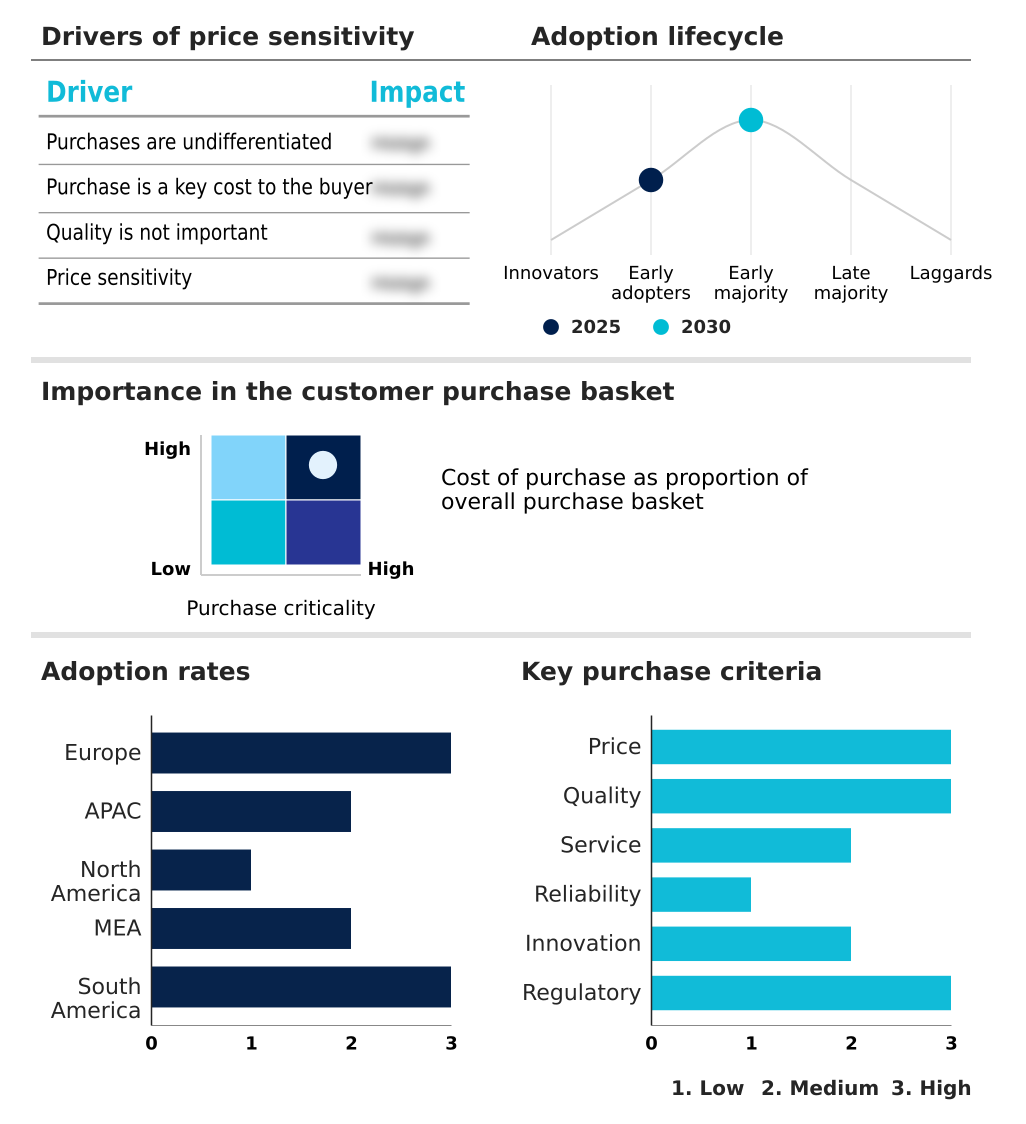
Customer Landscape of Magazine Publishing Industry
Competitive Landscape
Companies are implementing various strategies, such as strategic alliances, magazine publishing market forecast, partnerships, mergers and acquisitions, geographical expansion, and product/service launches, to enhance their presence in the industry.
Advance Publications - Provides comprehensive distribution of high-quality periodical content across diverse digital and physical channels, facilitating robust reader engagement through interactive digital editions and specialized luxury print publications.
The industry research and growth report includes detailed analyses of the competitive landscape of the market and information about key companies, including:
- Advance Publications
- Beckett Media LLC
- Conde Nast
- Forbes Media LLC
- Future plc
- Graham Holdings Co.
- Hearst Communications Inc.
- Heinrich Bauer Verlag KG
- Hubert Burda Media Holding KG
- Immediate Media Co. Ltd.
- MotorTrend Group LLC
- National Geographic Partners LLC
- Penske Media Corp
- Smithsonian Magazine
- TIME USA LLC
- Trusted Media Brands Inc.
Qualitative and quantitative analysis of companies has been conducted to help clients understand the wider business environment as well as the strengths and weaknesses of key industry players. Data is qualitatively analyzed to categorize companies as pure play, category-focused, industry-focused, and diversified; it is quantitatively analyzed to categorize companies as dominant, leading, strong, tentative, and weak.
Recent Development and News in Magazine publishing market
- In the Publishing industry, the widespread integration of automated translation algorithms has accelerated localized content adaptation, directly impacting Magazine Publishing demand by enabling regional audience expansion with translation costs reduced by 40%.
- The implementation of stringent data privacy frameworks like GDPR has fundamentally reorganized how first-party consumer insights are collected, compelling operators in the Magazine Publishing space to build direct subscription architectures over third-party tracking.
- Rapid adoption of cloud-based headless content management systems has eliminated fragmented editorial workflows, directly enhancing Magazine Publishing agility by reducing multi-platform content deployment times by over 25%.
- Widespread raw material supply chain disruptions within the global paper mill network have escalated production costs for physical media, directly forcing Magazine Publishing enterprises to decrease print frequencies and accelerate digital portfolio transitions.
Dive into Technavio’s robust research methodology, blending expert interviews, extensive data synthesis, and validated models for unparalleled Magazine Publishing Market insights. See full methodology.
| Market Scope | |
|---|---|
| Page number | 290 |
| Base year | 2025 |
| Historic period | 2020-2024 |
| Forecast period | 2026-2030 |
| Growth momentum & CAGR | Accelerate at a CAGR of 2.3% |
| Market growth 2026-2030 | USD 13147.3 million |
| Market structure | Fragmented |
| YoY growth 2025-2026(%) | 2.2% |
| Key countries | Germany, UK, France, Italy, Spain, The Netherlands, China, Japan, India, South Korea, Australia, Indonesia, US, Canada, Mexico, Saudi Arabia, UAE, South Africa, Egypt, Nigeria, Brazil, Argentina and Chile |
| Competitive landscape | Leading Companies, Market Positioning of Companies, Competitive Strategies, and Industry Risks |
Research Analyst Overview
- The Magazine Publishing landscape operates within a high-velocity transformation matrix, necessitating continuous strategic realignments to capture fragmented audience attention. Executive boards must navigate complex product strategies by transitioning static portfolios toward interactive multimedia structures.
- This structural shift directly influences budget allocation, as establishing embedded advertising integration within these layouts yields a 25% improvement in verifiable marketing conversion metrics compared to standard display formats. To scale engagement efficiently, organizations are heavily deploying automated content curation to pinpoint precise editorial themes that minimize audience churn.
- High-end luxury operators continue relying on premium physical engagement to command top-tier ad placements, physically differentiating their brand equity. Concurrently, the mass integration of virtual reality overlays within digital channels bridges the sensory gap between digital and physical media.
- Distributing modern content mandates investment in frictionless digital newsstands powered by intelligent behavioral tracking systems that monitor consumption velocities in real time. Adapting commercial structures to support specialized multimedia dissemination ensures long-term operational viability over volatile traditional communication structures.
What are the Key Data Covered in this Magazine Publishing Market Research and Growth Report?
-
What is the expected growth of the Magazine Publishing Market between 2026 and 2030?
-
USD 13.15 billion, at a CAGR of 2.3%
-
-
What segmentation does the market report cover?
-
The report is segmented by Type (Print, and Digital), Application (Offline, and Online), Revenue Stream (Advertising, Subscriptions, and Single-copy sales) and Geography (Europe, APAC, North America, Middle East and Africa, South America)
-
-
Which regions are analyzed in the report?
-
Europe, APAC, North America, Middle East and Africa and South America
-
-
What are the key growth drivers and market challenges?
-
Accelerated transition toward premium digital subscription models, Systematic decline of traditional print advertising revenues
-
-
Who are the major players in the Magazine Publishing Market?
-
Advance Publications, Beckett Media LLC, Conde Nast, Forbes Media LLC, Future plc, Graham Holdings Co., Hearst Communications Inc., Heinrich Bauer Verlag KG, Hubert Burda Media Holding KG, Immediate Media Co. Ltd., MotorTrend Group LLC, National Geographic Partners LLC, Penske Media Corp, Smithsonian Magazine, TIME USA LLC and Trusted Media Brands Inc.
-
Market Research Insights
- The Magazine Publishing Market requires adaptable commercial infrastructure to navigate rapidly shifting media consumption behaviors. Enterprises are successfully deploying intelligent digital printing frameworks to scale physical production efficiently, reducing inventory waste by over 18%. To capture shifting audience attention cycles, publishers are proactively integrating native audio content, successfully boosting mobile engagement duration by 25%.
- By establishing sophisticated direct commerce funnels, organizations transform passive readership into direct transactional pathways, fundamentally improving audience monetization ROI by 14%. Furthermore, the adoption of diversified revenue strategies insulates core operations against digital ad volatility. These structural adjustments enable media groups to maximize resource allocation, ensuring resilient content delivery architectures that align precisely with modern consumer utilization patterns.
We can help! Our analysts can customize this magazine publishing market research report to meet your requirements.
 RIA -