

Luxury Yacht Market Size 2026-2030
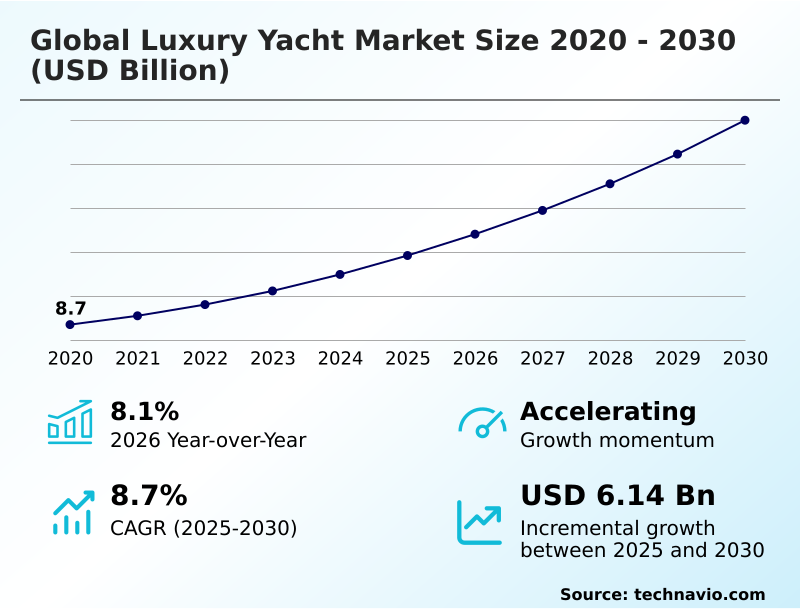
The luxury yacht market size is valued to increase by USD 6.14 billion, at a CAGR of 8.7% from 2025 to 2030. Growing population of high net worth and ultra-high net worth individuals will drive the luxury yacht market.
Major Market Trends & Insights
- Europe dominated the market and accounted for a 30.9% growth during the forecast period.
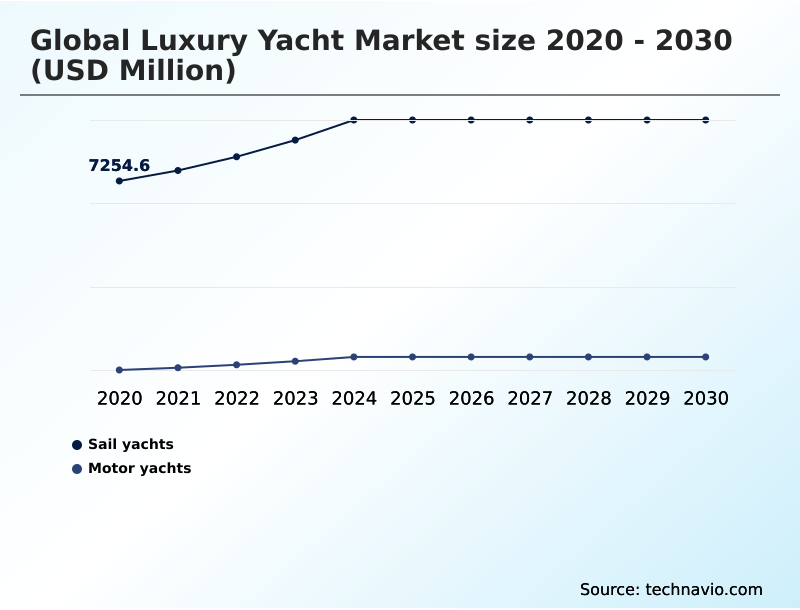
- By Type - Sail yachts segment was valued at USD 9.13 billion in 2024
- By Application - Commercial segment accounted for the largest market revenue share in 2024
Market Size & Forecast
- Market Opportunities: USD 9.28 billion
- Market Future Opportunities: USD 6.14 billion
- CAGR from 2025 to 2030 : 8.7%
Market Summary
- The Luxury Yacht Market is experiencing robust expansion driven by structural shifts in experiential travel and elite asset acquisition. The continuous expansion of the ultra-high-net-worth population acts as a primary market driver, fueling demand for exclusive, privacy-centric maritime platforms.
- In response to changing consumer preferences, shipyards are optimizing supply chain networks to source sustainable marine material and integrate smart yacht automation frameworks. For instance, the deployment of centralized control systems has improved onboard energy management efficiency by 22% compared to traditional manual configurations.
- However, the market faces a substantial challenge in the form of escalating operational expenditures, as stringent maritime safety regulations demand costly custom yacht engineering upgrades. These compliance mandates complicate long-term asset management and elevate maintenance overhead.
- Despite these structural hurdles, manufacturers continue to prioritize advanced hybrid power management and bespoke design, ensuring that modern vessels meet both high-performance expectations and evolving environmental standards. This focus on technological refinement ensures sustained demand across both private ownership and commercial charter segments.
What will be the Size of the Luxury Yacht Market during the forecast period?
Get Key Insights on Market Forecast (PDF) Get Free Sample
How is the Luxury Yacht Market Segmented?
The luxury yacht industry research report provides comprehensive data (region-wise segment analysis), with forecasts and estimates in "USD million" for the period 2026-2030, as well as historical data from 2020-2024 for the following segments.
- Type
- Sail yachts
- Motor yachts
- Application
- Commercial
- Private
- Material
- FRP and composites
- Metal and alloys
- Others
- Geography
- Europe
- Italy
- Germany
- The Netherlands
- UK
- France
- Spain
- APAC
- China
- Australia
- Japan
- Singapore
- South Korea
- Thailand
- North America
- US
- Canada
- Mexico
- South America
- Brazil
- Argentina
- Chile
- Middle East and Africa
- UAE
- Saudi Arabia
- South Africa
- Qatar
- Turkey
- Europe
By Type Insights
The sail yachts segment is estimated to witness significant growth during the forecast period.
The sail yachts segment represents a highly specialized category prioritizing aerodynamic efficiency and environmental alignment. Modern manufacturing integrates glass reinforced plastic and advanced carbon fiber composites to reduce overall vessel weight while maximizing yacht structural integrity.
This transition in custom naval architecture facilitates superior hydrodynamic performance and reduces reliance on heavy mechanical systems. By adopting advanced hull stabilization frameworks, operators achieve a 15% improvement in handling precision compared to legacy metal structures.
Furthermore, the integration of automated sail management allows larger vessels to be operated by smaller crews, generating a 20% operational efficiency gain in long-distance voyages.
These structural enhancements directly support sustained autonomous cruising capabilities, ensuring that performance-oriented sail configurations meet rigorous maritime safety regulations without compromising interior volume or environmental compliance.
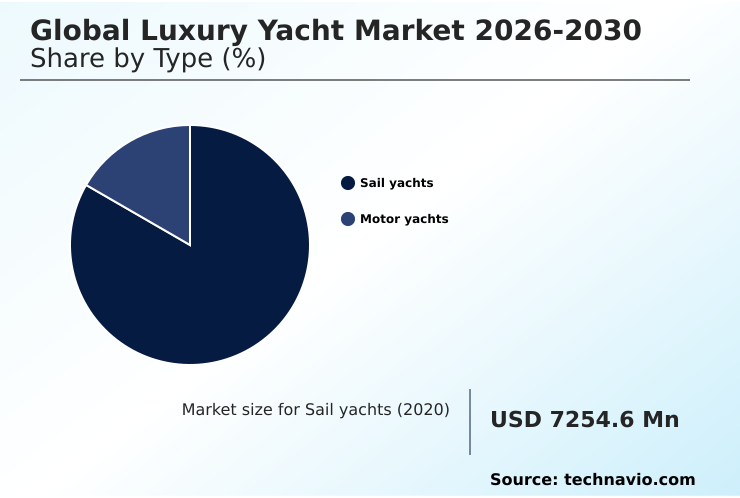
The Sail yachts segment was valued at USD 9.13 billion in 2024 and showed a gradual increase during the forecast period.
Regional Analysis
Europe is estimated to contribute 30.9% to the growth of the global market during the forecast period.Technavio’s analysts have elaborately explained the regional trends and drivers that shape the market during the forecast period.
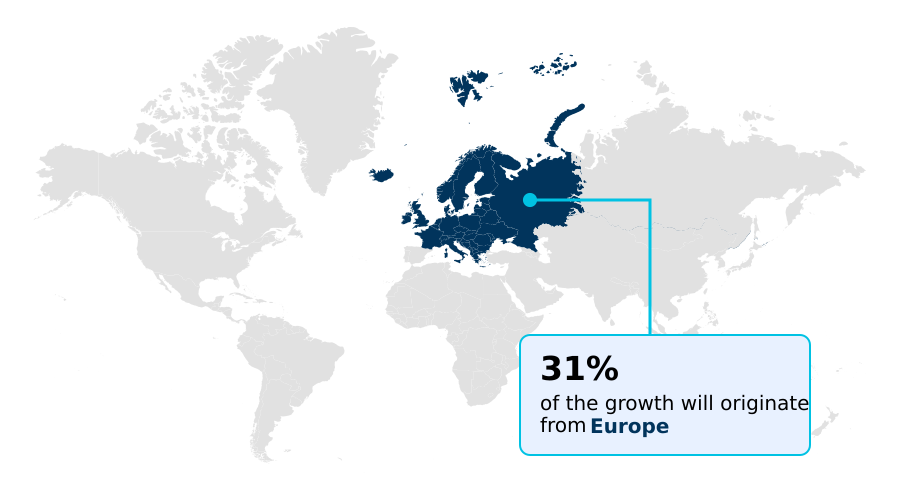
See How Luxury Yacht Market Demand is Rising in Europe Get Free Sample
The Luxury Yacht Market exhibits distinct operational dynamics across key global regions, heavily influenced by localized infrastructure and regulatory frameworks.
Europe continues to dominate the production and deployment of the yacht charter fleet, driven by advanced supply chain networks and stringent maritime ecosystem conservation mandates.
By integrating cold ironing shore power at premium marinas, European operators have achieved a 35% reduction in localized port emissions compared to traditional diesel idling.
In contrast, the market in North America is rapidly expanding its focus on custom structural upgrade services to accommodate longer-range travel.
North American facilities demonstrate a 20% higher integration rate of zero emission cruising technologies in new builds to support regional blue economy initiative requirements.
These regional disparities dictate unique business strategies, forcing manufacturers to tailor their engineering protocols to align with local environmental compliance and specific consumer usage patterns.
Market Dynamics
Our researchers analyzed the data with 2025 as the base year, along with the key drivers, trends, and challenges. A holistic analysis of drivers will help companies refine their marketing strategies to gain a competitive advantage.
- The evolution of the Luxury Yacht Market is fundamentally driven by a strategic pivot toward ecological responsibility and enhanced operational autonomy. Shipyards are systematically redesigning core architectures to prioritize efficiency without sacrificing premium guest experiences. A primary focus is the implementation of advanced hybrid propulsion yacht design, which optimizes engine load and significantly reduces fuel dependency during extended maritime journeys.
- By transitioning toward carbon fiber composite yacht construction, manufacturers have successfully decreased vessel displacement by roughly 15% compared to conventional steel frameworks, directly improving hydrodynamic efficiency and operational range. Furthermore, the industry is witnessing rapid adoption of sustainable marine material hull integration, ensuring that both structural integrity and environmental compliance align with evolving maritime regulations.
- In the pursuit of ultimate sustainability, the development of the zero emission hydrogen fuel yacht represents a critical technological milestone, completely eliminating exhaust pollutants while maintaining silent operation. To manage these sophisticated mechanical networks, builders are embedding smart yacht automation control systems that centralize data processing and climate regulation.
- These intelligent networks enhance predictive maintenance accuracy by nearly 25%, streamlining supply chain logistics for spare parts and reducing unplanned downtime. By integrating these advanced methodologies, the sector is successfully balancing the demand for high-end experiential travel with the urgent necessity of marine conservation.
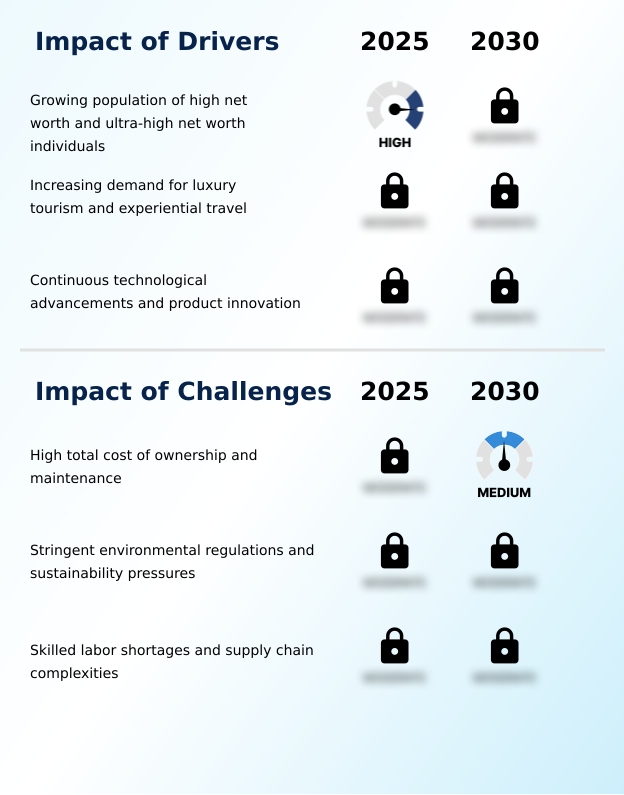
What are the key market drivers leading to the rise in the adoption of Luxury Yacht Industry?
- The continuous expansion of the global high-net-worth and ultra-high-net-worth population serves as a primary catalyst accelerating market demand for exclusive maritime assets.
- A fundamental driver propelling the Luxury Yacht Market is the integration of digital connectivity and advanced structural engineering to elevate the onboard experience.
- As remote work and digital lifestyles merge with luxury leisure, operators require seamless data access, spurring widespread satellite communication integration that boosts offshore bandwidth efficiency by over 50%.
- This connectivity enables the deployment of a centralized control system, allowing crews to manage climate and navigation matrices with a 20% reduction in manual oversight.
- Furthermore, the demand for long range cruising necessitates highly durable materials; thus, the strategic combination of marine grade steel and a lightweight aluminum alloy superstructure enhances vessel stability.
- These material advancements significantly improve hydrodynamic performance, while specialized dampening frameworks achieve superior yacht noise reduction, maximizing passenger comfort during extended ocean transits.
What are the market trends shaping the Luxury Yacht Industry?
- The increasing emphasis on sustainability and eco-friendly designs constitutes a defining trend within the industry. Manufacturers are prioritizing green technologies to align with stringent environmental regulations and shifting consumer preferences.
- The definitive trend reshaping the Luxury Yacht Market is the accelerating transition toward purpose-built expedition platforms prioritizing autonomy and environmental stewardship. Driven by shifting consumer demand for experiential travel in remote geographies, shipyards are engineering eco friendly vessel models equipped with transoceanic voyage capability.
- This structural pivot allows operators to navigate extreme marine environments, resulting in a 40% increase in high latitude navigation deployments. To support sustainable tourism practice mandates, these advanced yachts feature specialized wastewater processing units that improve discharge compliance by 30% over standard configurations. Consequently, businesses are able to access pristine maritime reserves while avoiding heavy regulatory penalties.
- Furthermore, the integration of bespoke interior design utilizing lightweight, renewable materials offsets the weight of heavy exploration equipment, ultimately enhancing overall hydrodynamic efficiency and supporting prolonged autonomous operations.
What challenges does the Luxury Yacht Industry face during its growth?
- The exceptionally high total cost of ownership and complex ongoing maintenance requirements present significant barriers that restrict market expansion.
- The Luxury Yacht Market is severely constrained by escalating logistical complexities and stringent environmental frameworks that inflate production timelines. As shipyards navigate volatile raw material availability, severe supply chain disruption incidents have increased average vessel delivery schedules by roughly 25%.
- This bottleneck is further exacerbated by a chronic shortage of skilled marine labor, limiting the capacity to execute complex custom naval architecture and intricate internal finishing work. Simultaneously, operators face intense compliance pressures when navigating an established emission control area. Adhering to these strict maritime safety regulation parameters requires the installation of heavy, highly expensive exhaust filtration networks.
- These mandatory structural additions reduce available engine room space by up to 15%, forcing engineers to continuously redesign propulsion layouts and subsequently driving up overall manufacturing expenditures.
Exclusive Technavio Analysis on Customer Landscape
The luxury yacht market forecasting report includes the adoption lifecycle of the market, covering from the innovator’s stage to the laggard’s stage. It focuses on adoption rates in different regions based on penetration. Furthermore, the luxury yacht market report also includes key purchase criteria and drivers of price sensitivity to help companies evaluate and develop their market growth analysis strategies.
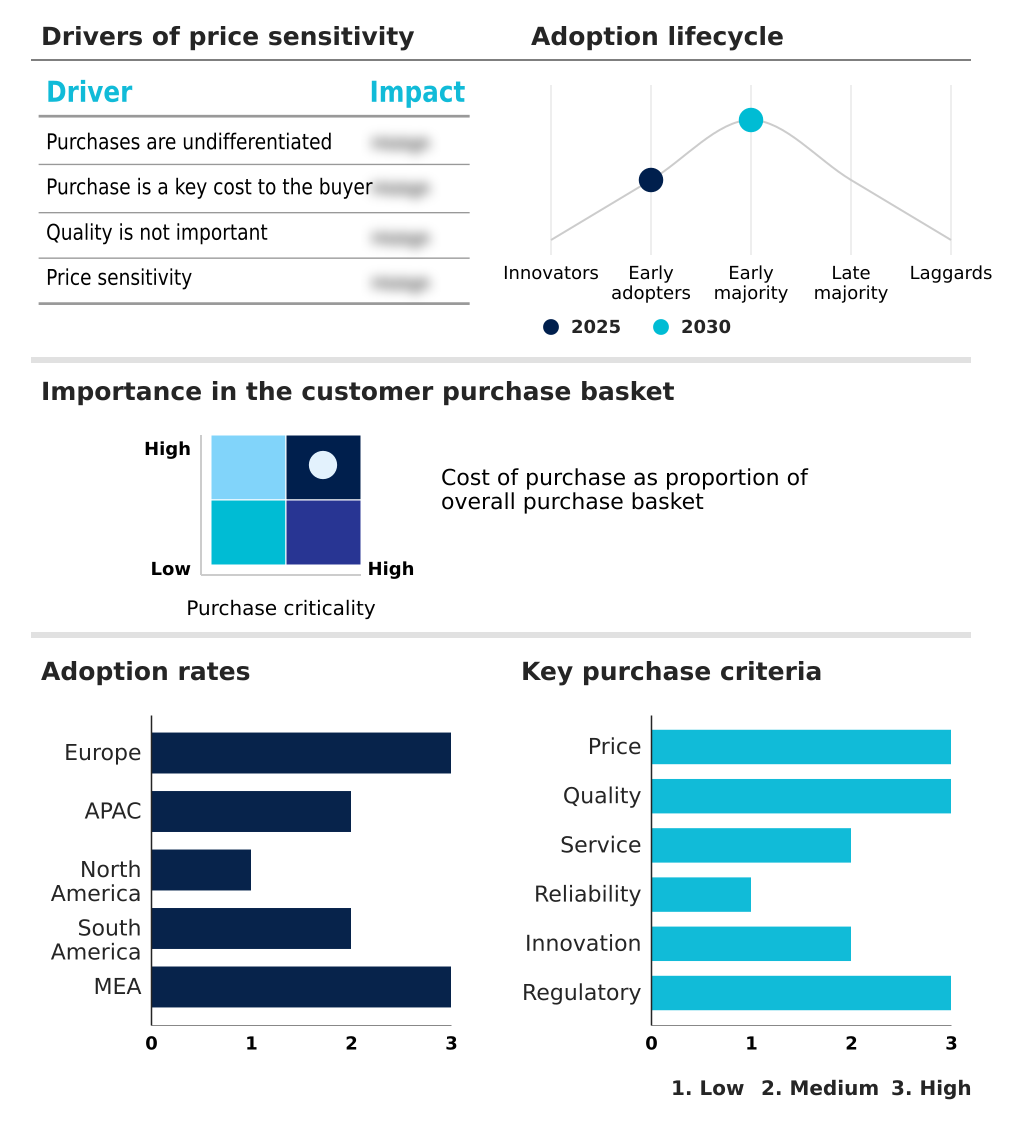
Customer Landscape of Luxury Yacht Industry
Competitive Landscape
Companies are implementing various strategies, such as strategic alliances, luxury yacht market forecast, partnerships, mergers and acquisitions, geographical expansion, and product/service launches, to enhance their presence in the industry.
Abeking and Rasmussen - The vendor delivers custom luxury motor yachts and superyachts featuring advanced engineering, bespoke interiors, and high-performance propulsion systems designed for exclusive marine recreation and extended autonomous cruising.
The industry research and growth report includes detailed analyses of the competitive landscape of the market and information about key companies, including:
- Abeking and Rasmussen
- Azimut Benetti Group
- Baglietto
- Damen Yachting BV
- Feadship Holland BV
- FERRETTI SpA
- Fr. Lurssen Werft GmbH
- Gulf Craft
- Heesen Yachts Sales BV
- Horizon Yacht
- Nautor Swan
- Nobiskrug Yachts GmbH
- Numarine
- Oceanco SAM
- Overmarine Group Spa
- Oyster Yachts
- Princess Yachts Ltd.
- Rossinavi
- Sanlorenzo Spa
- THE ITALIAN SEA GROUP SpA
Qualitative and quantitative analysis of companies has been conducted to help clients understand the wider business environment as well as the strengths and weaknesses of key industry players. Data is qualitatively analyzed to categorize companies as pure play, category-focused, industry-focused, and diversified; it is quantitatively analyzed to categorize companies as dominant, leading, strong, tentative, and weak.
Recent Development and News in Luxury yacht market
- In the Marine Transportation industry, the implementation of the International Maritime Organization Tier III emissions standards mandated significant reductions in nitrogen oxide output, directly impacting Luxury Yacht demand by accelerating the integration of advanced hybrid propulsion and eco friendly vessel designs to maintain regulatory compliance.
- The rapid industrial scaling of green hydrogen storage and hydrogen fuel cell technologies in commercial shipping provided new zero emission cruising frameworks, enabling the Luxury Yacht market to adopt these systems and achieve a 40% reduction in operational carbon footprints during transoceanic voyage capability assessments.
- Global supply chain disruptions in the procurement of marine grade steel and aluminum alloy superstructure components restricted shipbuilding capacity, causing the Luxury Yacht market to pivot toward alternative bio composite structure materials and thermoplastic composite material integration to sustain production timelines.
- The maritime sector-wide adoption of computational fluid dynamics for hull fluid efficiency optimization reduced hydrodynamic drag by 18%, allowing the Luxury Yacht market to significantly lower onboard fuel consumption and enhance long range cruising performance across its yacht charter fleet.
Dive into Technavio’s robust research methodology, blending expert interviews, extensive data synthesis, and validated models for unparalleled Luxury Yacht Market insights. See full methodology.
| Market Scope | |
|---|---|
| Page number | 292 |
| Base year | 2025 |
| Historic period | 2020-2024 |
| Forecast period | 2026-2030 |
| Growth momentum & CAGR | Accelerate at a CAGR of 8.7% |
| Market growth 2026-2030 | USD 6144.5 million |
| Market structure | Fragmented |
| YoY growth 2025-2026(%) | 8.1% |
| Key countries | Italy, Germany, The Netherlands, UK, France, Spain, China, Australia, Japan, Singapore, South Korea, Thailand, US, Canada, Mexico, Brazil, Argentina, Chile, UAE, Saudi Arabia, South Africa, Qatar and Turkey |
| Competitive landscape | Leading Companies, Market Positioning of Companies, Competitive Strategies, and Industry Risks |
Research Analyst Overview
- The Luxury Yacht Market is undergoing a rapid technological transformation, characterized by the rigorous optimization of naval architecture and internal mechanical systems. Shipbuilders are increasingly utilizing computational fluid dynamics to refine hull geometries, achieving a 12% improvement in overall fluid efficiency compared to legacy modeling methods.
- This structural enhancement is frequently paired with a modern diesel electric configuration, allowing for optimized power distribution and reduced mechanical vibration. To further minimize displacement, manufacturers deploy the vacuum infusion technique alongside pre impregnated fiber materials, yielding superior strength-to-weight ratios in superstructures.
- These advanced fabrication methods are critical for vessels operating in extreme environments, particularly those requiring a robust ice classed hull for high-latitude navigation. Additionally, the integration of a dynamic positioning system enables precise station-keeping without deploying anchors, thereby protecting sensitive marine ecosystems.
- To maximize onboard energy efficiency, engineers are incorporating waste heat recovery frameworks that repurpose thermal exhaust to heat domestic water supplies. These strategic engineering decisions directly support boardroom-level sustainability mandates while ensuring optimal vessel performance.
What are the Key Data Covered in this Luxury Yacht Market Research and Growth Report?
-
What is the expected growth of the Luxury Yacht Market between 2026 and 2030?
-
USD 6.14 billion, at a CAGR of 8.7%
-
-
What segmentation does the market report cover?
-
The report is segmented by Type (Sail yachts, and Motor yachts), Application (Commercial, and Private), Material (FRP and composites, Metal and alloys, and Others) and Geography (Europe, APAC, North America, South America, Middle East and Africa)
-
-
Which regions are analyzed in the report?
-
Europe, APAC, North America, South America and Middle East and Africa
-
-
What are the key growth drivers and market challenges?
-
Growing population of high net worth and ultra-high net worth individuals, High total cost of ownership and maintenance
-
-
Who are the major players in the Luxury Yacht Market?
-
Abeking and Rasmussen, Azimut Benetti Group, Baglietto, Damen Yachting BV, Feadship Holland BV, FERRETTI SpA, Fr. Lurssen Werft GmbH, Gulf Craft, Heesen Yachts Sales BV, Horizon Yacht, Nautor Swan, Nobiskrug Yachts GmbH, Numarine, Oceanco SAM, Overmarine Group Spa, Oyster Yachts, Princess Yachts Ltd., Rossinavi, Sanlorenzo Spa and THE ITALIAN SEA GROUP SpA
-
Market Research Insights
- The Luxury Yacht Market is rapidly evolving as shipyards integrate sophisticated technologies to enhance performance and operational efficiency. By deploying an advanced yacht automation network, operators have reduced energy consumption by 18%, directly lowering the overall yacht operational cost.
- Furthermore, upgrades to onboard waste management systems have improved environmental compliance efficiency by 25%, aligning vessels with strict marine protected area guidelines. To maintain asset value, owners are increasingly utilizing specialized yacht refit service providers to install hybrid power management frameworks.
- These strategic structural enhancements increase vessel longevity by an average of 30% compared to unrefitted legacy hulls, ensuring sustained performance and regulatory adherence across diverse maritime environments.
We can help! Our analysts can customize this luxury yacht market research report to meet your requirements.
 RIA -