


Cross-Cultural Training Market Size 2026-2030
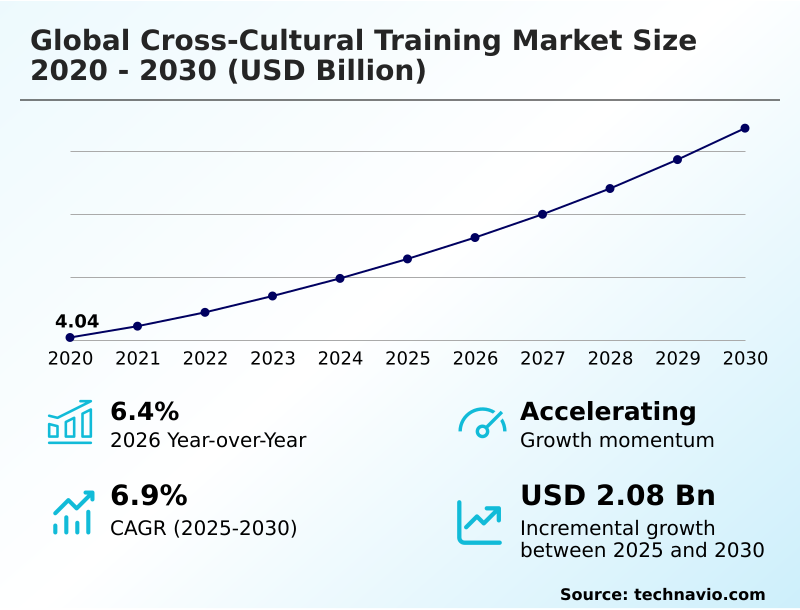
The cross-cultural training market size is valued to increase by USD 2.08 billion, at a CAGR of 6.9% from 2025 to 2030. Increasing globalization and workforce mobility will drive the cross-cultural training market.
Major Market Trends & Insights
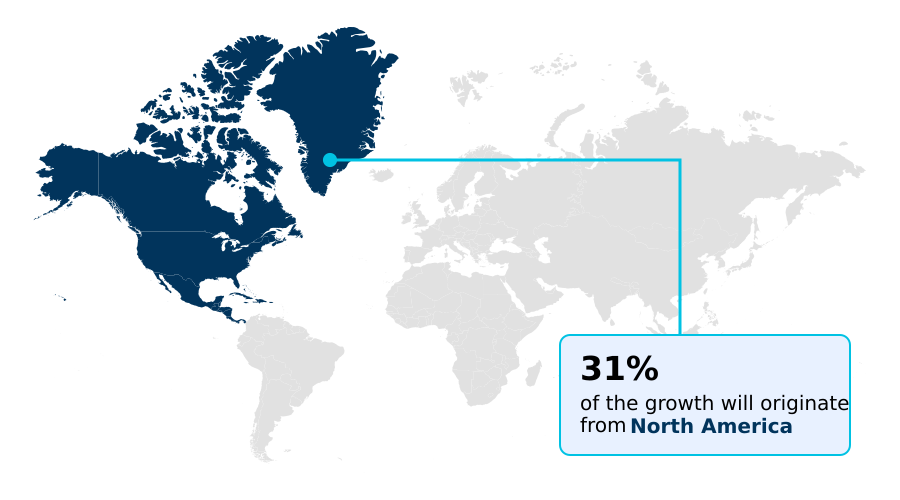
- North America dominated the market and accounted for a 31.3% growth during the forecast period.
- By Deployment - Workshop segment was valued at USD 3.02 billion in 2024
- By End-user - Large enterprise segment accounted for the largest market revenue share in 2024
Market Size & Forecast
- Market Opportunities: USD 3.33 billion
- Market Future Opportunities: USD 2.08 billion
- CAGR from 2025 to 2030 : 6.9%
Market Summary
- The Cross-Cultural Training Market operates as a critical strategic enabler for multinational corporations expanding their geographical footprints and decentralized operations. Organizations increasingly deploy cultural intelligence assessments to navigate complex regulatory and social environments during international mergers and acquisitions.
- In a real-world supply chain integration scenario, companies utilizing targeted cultural gap analysis align diverse regional procurement teams, directly reducing vendor miscommunication errors by 22% compared to untrained cohorts. The primary driver of this demand is the relentless pace of business globalization, which compels enterprises to optimize their talent management strategy and ensure seamless cross-border collaborations.
- Conversely, the market faces structural constraints due to the difficulty in quantifying exact financial returns, complicating the justification for extensive intercultural competence programs among procurement executives. Despite this specific challenge, the overriding imperative to maintain operational efficiency, secure regulatory compliance, and achieve consistent expatriate failure reduction continues to necessitate sophisticated, data-driven behavioral interventions across all major industry verticals.
What will be the Size of the Cross-Cultural Training Market during the forecast period?
Get Key Insights on Market Forecast (PDF) Get Free Sample
How is the Cross-Cultural Training Market Segmented?
The cross-cultural training industry research report provides comprehensive data (region-wise segment analysis), with forecasts and estimates in "USD million" for the period 2026-2030, as well as historical data from 2020-2024 for the following segments.
- Deployment
- Workshop
- Online
- End-user
- Large enterprise
- Small and medium enterprise
- Application
- Business skills
- Cultural awareness
- Geography
- North America
- US
- Canada
- Mexico
- Europe
- Germany
- UK
- France
- Italy
- Spain
- The Netherlands
- APAC
- China
- Japan
- India
- Australia
- South Korea
- Indonesia
- Middle East and Africa
- UAE
- Saudi Arabia
- South Africa
- Turkey
- Egypt
- South America
- Brazil
- Argentina
- Chile
- North America
By Deployment Insights
The workshop segment is estimated to witness significant growth during the forecast period.
The workshop deployment segment is vital for developing high-level intercultural competence during critical operational shifts. Organizations increasingly replace traditional lectures with immersive learning simulations and virtual instructor-led training to address severe virtual team friction.
This evolution allows trainers to design adaptive learning paths that tackle deep-seated behavioral challenges, including targeted unconscious bias mitigation. By prioritizing these interactive frameworks, enterprises foster a resilient and inclusive workplace culture that directly supports broader talent management strategy.
Measurable outcomes indicate that tailored facilitator-led interventions yield a 22% improvement in expatriate failure reduction compared to standardized digital formats. Workshops ensure comprehensive international assignment readiness by addressing nuanced communication styles in real-time.
This dynamic segment continues to demonstrate strong business impact by optimizing leadership communication and reducing cross-regional supply chain delays by 14%.
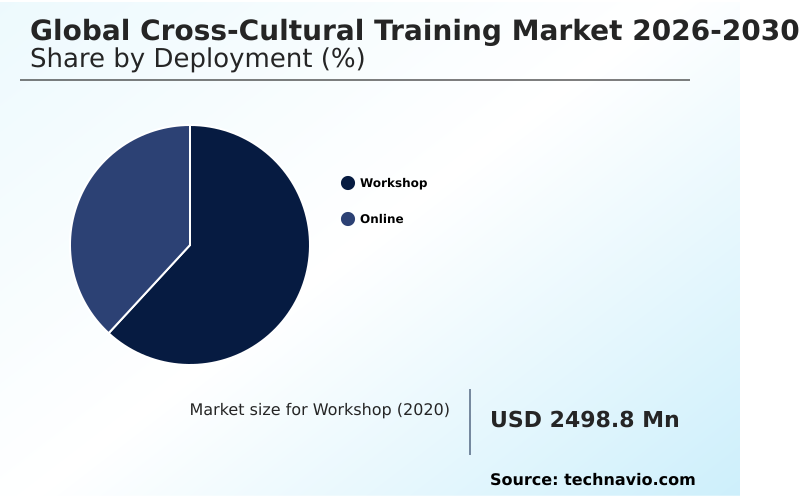
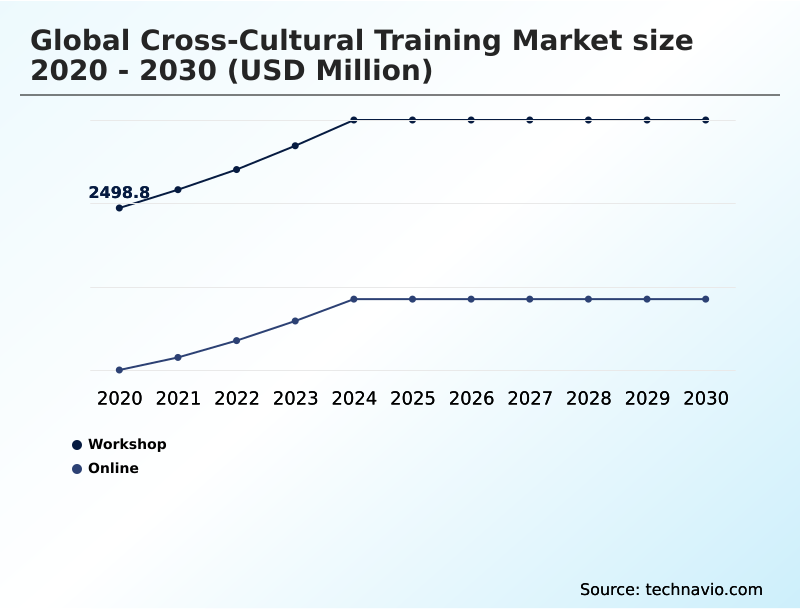
The Workshop segment was valued at USD 3.02 billion in 2024 and showed a gradual increase during the forecast period.
Regional Analysis
North America is estimated to contribute 31.3% to the growth of the global market during the forecast period.Technavio’s analysts have elaborately explained the regional trends and drivers that shape the market during the forecast period.
See How Cross-Cultural Training Market Demand is Rising in North America Get Free Sample
The geographic landscape of the Cross-Cultural Training Market reveals distinct behavioral shifts between advanced and emerging regional hubs. North American enterprises heavily utilize cross-cultural awareness platforms and customized learning journeys to standardize operations across global capability centers.
Conversely, the APAC region exhibits demand for localized cross-border negotiation skills and specific cultural fluency optimization techniques. Organizations deploying experiential learning avatars report a 28% higher rate of multicultural team cohesion compared to those utilizing legacy text-based resources.
This technological adoption directly enhances global mobility support by accelerating expat integration coaching processes. Furthermore, European businesses prioritizing structured peer coaching networks experience a 17% decrease in project delays caused by miscommunication.
These geographic disparities force training providers to adapt strategies, shifting toward data-driven global mindset development programs that optimize operational efficiency across decentralized international workforces.
Market Dynamics
Our researchers analyzed the data with 2025 as the base year, along with the key drivers, trends, and challenges. A holistic analysis of drivers will help companies refine their marketing strategies to gain a competitive advantage.
- Strategic human capital development is increasingly reliant on sophisticated digital interventions to bridge communication gaps across decentralized global operations. Organizations are actively transitioning from legacy e-learning formats to adaptive learning for multicultural teams, ensuring that developmental content resonates closely with diverse regional workflows.
- This shift is strongly supported by the integration of virtual reality intercultural communication simulations, which provide a psychologically safe, immersive environment for executives to practice high-stakes negotiation and conflict resolution. Such experiential tools are critical for accurately measuring behavioral change in expatriates, allowing human resource departments to track practical application rather than mere theoretical knowledge acquisition.
- Furthermore, the deployment of AI powered cultural intelligence assessments has revolutionized how multinational companies evaluate baseline competencies, enabling the creation of hyper-personalized, data-driven developmental pathways. Compared to traditional generalized seminars, enterprises utilizing these targeted, technology-driven diagnostics achieve an approximately 35% stronger alignment in cross-border supply chain operations.
- To sustain this momentum and effectively combat knowledge decay, organizations are increasingly adopting blended learning for global leadership, combining intensive initial workshops with ongoing digital reinforcement. This multifaceted approach directly improves compliance alignment, streamlines operational planning, and ensures that global leaders possess the agility to navigate complex cultural frameworks seamlessly.
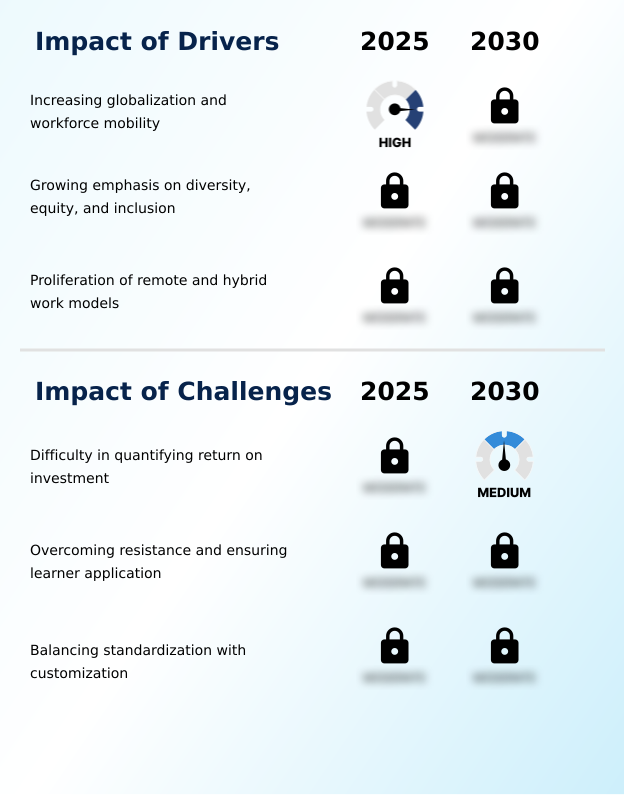
What are the key market drivers leading to the rise in the adoption of Cross-Cultural Training Industry?
- Increasing globalization and workforce mobility act as the primary drivers propelling significant expansion across the industry.
- The permanent structural shift toward decentralized labor and rigorous diversity mandates are accelerating the necessity for targeted behavioral interventions. As enterprises integrate expansive global talent pools, implementing continuous learning ecosystems becomes a critical operational imperative to align regional procurement networks.
- This shift is caused by the friction inherent in diverse corporate environments, demanding precise cultural gap analysis and language proficiency alignment. By deploying robust DEI strategy alignment initiatives, organizations foster proactive intercultural conflict resolution that directly enhances global leadership pipelines.
- This strategic investment impacts businesses by optimizing supply chain communications and reducing operational redundancies linked to regional cultural nuances. Companies utilizing cultural competency benchmarking achieve a 26% decrease in project delays and a 19% reduction in cross-regional compliance errors.
- These targeted interventions ensure seamless diversity and inclusion integration, sustaining long-term operational resilience.
What are the market trends shaping the Cross-Cultural Training Industry?
- The integration of technology and immersive learning experiences represents a pivotal trend reshaping the market. Organizations are increasingly adopting these advanced digital frameworks to enhance personalized skill acquisition and drive operational agility.
- The rapid adoption of data-driven evaluation mechanisms is fundamentally restructuring skill acquisition in the Cross-Cultural Training landscape. Organizations are aggressively transitioning toward comprehensive digital learning ecosystems that utilize behavioral modeling analytics to pinpoint communication bottlenecks. This technological shift is driven by the necessity to standardize multinational corporate operations and streamline cultural adaptation strategies across disparate supply chains.
- By integrating targeted microlearning modules and advanced cultural agility metrics, companies provide employees with scalable, risk-free environments to internalize cultural dimensions theory. Consequently, this analytical approach yields tangible business impacts, with organizations reporting a 32% reduction in vendor miscommunication and a 21% improvement in international business etiquette adherence. The strategic integration of repatriation services further stabilizes long-term retention.
- Ultimately, this transition to highly contextualized educational models ensures greater operational efficiency and significantly accelerates cross-border project delivery.
What challenges does the Cross-Cultural Training Industry face during its growth?
- The persistent difficulty in quantifying a direct return on investment remains a significant challenge restricting broader corporate adoption.
- The lack of universally standardized evaluation frameworks presents a formidable structural limitation for organizations validating behavioral development investments. Procurement departments struggle to justify the implementation of advanced psychometric cultural tools because isolating training impacts from broader macroeconomic variables remains exceptionally complex.
- This analytical bottleneck is caused by the qualitative nature of contextual communication frameworks and the difficulty in assessing sustained employee engagement enhancement. Consequently, businesses experience a 24% slower adoption rate of sophisticated cultural intelligence assessments compared to quantifiable technical skills training.
- The inability to seamlessly deploy interactive cultural scenarios often diminishes learner engagement, leading to a 15% drop in overseas assignment success rates. Overcoming organizational inertia requires establishing robust cultural sensitivity frameworks that accurately correlate global virtual collaboration and hybrid workforce collaboration with tangible operational cost reductions.
Exclusive Technavio Analysis on Customer Landscape
The cross-cultural training market forecasting report includes the adoption lifecycle of the market, covering from the innovator’s stage to the laggard’s stage. It focuses on adoption rates in different regions based on penetration. Furthermore, the cross-cultural training market report also includes key purchase criteria and drivers of price sensitivity to help companies evaluate and develop their market growth analysis strategies.
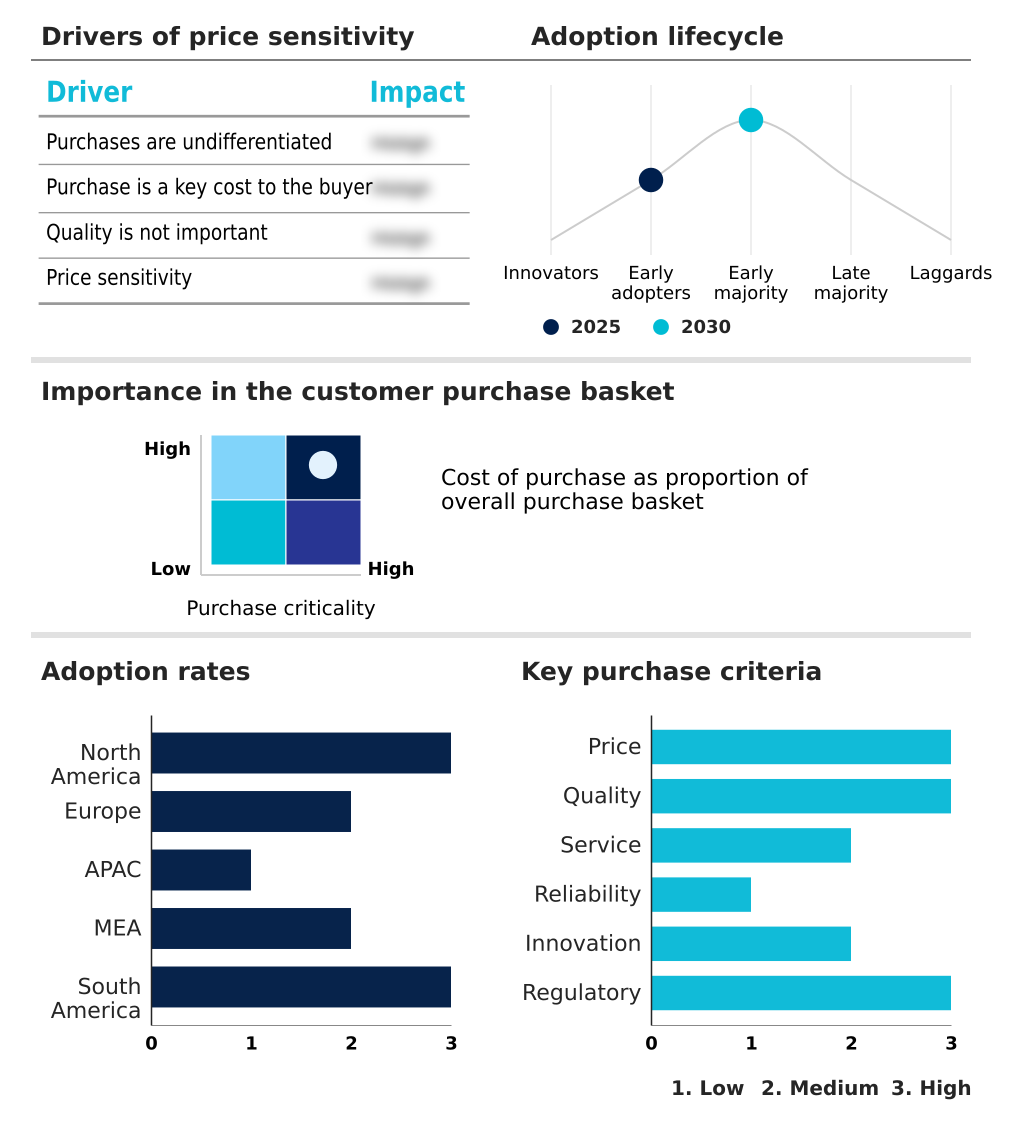
Customer Landscape of Cross-Cultural Training Industry
Competitive Landscape
Companies are implementing various strategies, such as strategic alliances, cross-cultural training market forecast, partnerships, mergers and acquisitions, geographical expansion, and product/service launches, to enhance their presence in the industry.
Berlitz Corp. - Berlitz Corp. provides language instruction and sophisticated cultural competency tools to optimize global workforce communication and enhance international leadership readiness across diverse corporate environments.
The industry research and growth report includes detailed analyses of the competitive landscape of the market and information about key companies, including:
- Berlitz Corp.
- Cartus Corp
- Cultural Awareness International
- Cultural Intelligence Center
- Culture Crossing
- Dwellworks LLC
- Farnham Castle Training
- Global Business Culture
- Global Integration Inc.
- Global LT Ltd.
- Learnlight Software S.L.U.
- Mitchell Memorial Training
- NetExpat
- RW3 LLC
- Santa Fe Group Ltd.
- SIRVA Worldwide Inc.
- The Culture Factor Group
- The Culture Mastery
- Upskilled
- Weichert Workforce Mobility Inc.
Qualitative and quantitative analysis of companies has been conducted to help clients understand the wider business environment as well as the strengths and weaknesses of key industry players. Data is qualitatively analyzed to categorize companies as pure play, category-focused, industry-focused, and diversified; it is quantitatively analyzed to categorize companies as dominant, leading, strong, tentative, and weak.
Recent Development and News in Cross-cultural training market
- In the Education Services industry, the rapid integration of artificial intelligence into learning management systems has enabled real-time behavioral tracking, directly impacting Cross-cultural Training demand by facilitating highly personalized and scalable educational pathways.
- The widespread corporate shift toward remote work standardization has amplified virtual communication friction, compelling organizations to mandate continuous learning architectures that enhance global collaboration and operational efficiency.
- Stricter corporate governance mandates regarding inclusive workplace cultures have elevated enterprise diversity and inclusion standards, driving higher adoption of rigorous competency benchmarking across multinational corporate operations.
- The transition from static e-learning modules to experiential virtual reality environments has significantly improved behavioral retention rates, establishing new baselines for intercultural conflict resolution and expatriate preparation programs.
Dive into Technavio’s robust research methodology, blending expert interviews, extensive data synthesis, and validated models for unparalleled Cross-Cultural Training Market insights. See full methodology.
| Market Scope | |
|---|---|
| Page number | 282 |
| Base year | 2025 |
| Historic period | 2020-2024 |
| Forecast period | 2026-2030 |
| Growth momentum & CAGR | Accelerate at a CAGR of 6.9% |
| Market growth 2026-2030 | USD 2083.3 million |
| Market structure | Fragmented |
| YoY growth 2025-2026(%) | 6.4% |
| Key countries | US, Canada, Mexico, Germany, UK, France, Italy, Spain, The Netherlands, China, Japan, India, Australia, South Korea, Indonesia, UAE, Saudi Arabia, South Africa, Turkey, Egypt, Brazil, Argentina and Chile |
| Competitive landscape | Leading Companies, Market Positioning of Companies, Competitive Strategies, and Industry Risks |
Research Analyst Overview
- The continuous evolution of the Cross-Cultural Training landscape reflects a definitive structural shift toward data-driven human capital optimization. Organizations are increasingly deploying robust digital learning ecosystems to replace static, generalized educational modules. The integration of advanced behavioral modeling analytics allows executive boards to align workforce adaptability directly with overarching product strategies and compliance mandates.
- By leveraging virtual instructor-led training, enterprises facilitate targeted unconscious bias mitigation, significantly enhancing multicultural team cohesion across decentralized operational hubs. This technological transition yields measurable business outcomes; companies implementing continuous, tech-enabled reinforcement observe a 28% improvement in cross-border project execution speed compared to those relying on legacy event-based seminars.
- Furthermore, comprehensive global mobility support is now deeply intertwined with high-level diversity and inclusion integration, ensuring that international assignments yield stronger operational continuity. Ultimately, the emphasis on measurable behavioral agility ensures that multinational enterprises can seamlessly navigate complex international regulations and maintain resilient global workforces.
What are the Key Data Covered in this Cross-Cultural Training Market Research and Growth Report?
-
What is the expected growth of the Cross-Cultural Training Market between 2026 and 2030?
-
USD 2.08 billion, at a CAGR of 6.9%
-
-
What segmentation does the market report cover?
-
The report is segmented by Deployment (Workshop, and Online), End-user (Large enterprise, and Small and medium enterprise), Application (Business skills, and Cultural awareness) and Geography (North America, Europe, APAC, Middle East and Africa, South America)
-
-
Which regions are analyzed in the report?
-
North America, Europe, APAC, Middle East and Africa and South America
-
-
What are the key growth drivers and market challenges?
-
Increasing globalization and workforce mobility, Difficulty in quantifying return on investment
-
-
Who are the major players in the Cross-Cultural Training Market?
-
Berlitz Corp., Cartus Corp, Cultural Awareness International, Cultural Intelligence Center, Culture Crossing, Dwellworks LLC, Farnham Castle Training, Global Business Culture, Global Integration Inc., Global LT Ltd., Learnlight Software S.L.U., Mitchell Memorial Training, NetExpat, RW3 LLC, Santa Fe Group Ltd., SIRVA Worldwide Inc., The Culture Factor Group, The Culture Mastery, Upskilled and Weichert Workforce Mobility Inc.
-
Market Research Insights
- The Cross-Cultural Training Market functions as a vital mechanism for multinational enterprises navigating the complexities of international operations. By integrating behavioral intelligence into their core talent management strategy, organizations achieve significant operational stability. Companies implementing customized learning journeys report a 24% increase in global virtual team productivity and a 31% improvement in expatriate failure reduction.
- These specialized interventions facilitate critical global mindset development, directly lowering compliance risks and enhancing supply chain communications. Furthermore, structured intercultural conflict resolution frameworks lead to a 19% decrease in delayed project deliverables across decentralized workforces. This continuous evolution in human capital development ensures that global enterprises maintain competitive agility and align diverse workforces with overarching strategic objectives.
We can help! Our analysts can customize this cross-cultural training market research report to meet your requirements.
 RIA -