



Corporate Training Market Size 2026-2030
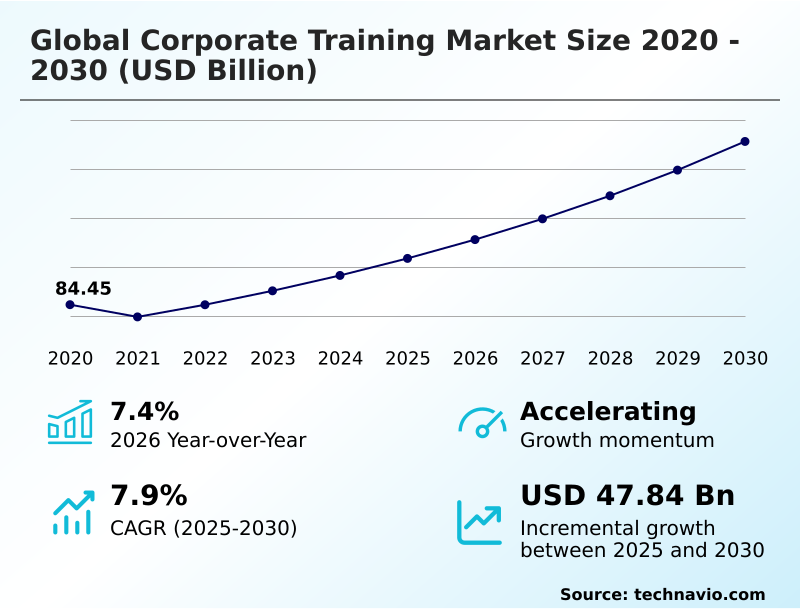
The corporate training market size is valued to increase by USD 47.84 billion, at a CAGR of 7.9% from 2025 to 2030. Proliferation of digital transformation and technological integration will drive the corporate training market.
Major Market Trends & Insights
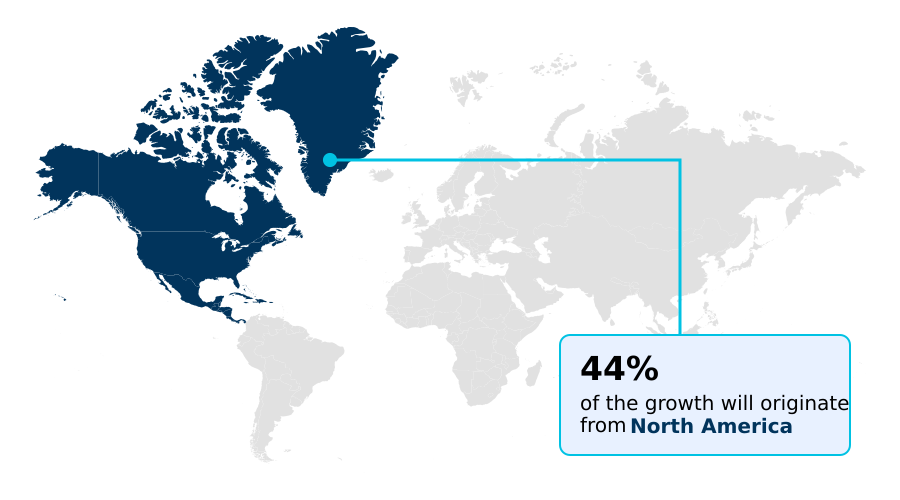
- North America dominated the market and accounted for a 43.9% growth during the forecast period.
- By Product - Technical training segment was valued at USD 66.91 billion in 2024
- By Type - Blended segment accounted for the largest market revenue share in 2024
Market Size & Forecast
- Market Opportunities: USD 66.77 billion
- Market Future Opportunities: USD 47.84 billion
- CAGR from 2025 to 2030 : 7.9%
Market Summary
- The corporate training market is undergoing a significant transformation driven by the continuous need for workforce adaptation. As industries pivot towards digitalization, reskilling initiatives have become a strategic imperative, moving beyond simple compliance to encompass a holistic talent development ecosystem.
- This shift prioritizes skills-based hiring over traditional qualifications, compelling organizations to invest in robust learning management system frameworks and digital adoption platforms. For example, a multinational logistics firm might implement a blended learning model combining virtual simulations for its drivers with a microlearning platform for its dispatchers, aiming to improve route efficiency and reduce delivery times.
- The integration of AI-driven coaching and immersive learning technologies is further personalizing the educational journey, ensuring that employee upskilling aligns directly with evolving business objectives. This focus on building a future-ready workforce through continuous learning, leadership development programs, and competency-based training is essential for maintaining a competitive edge in a dynamic economic landscape.
What will be the Size of the Corporate Training Market during the forecast period?
Get Key Insights on Market Forecast (PDF) Request Free Sample
How is the Corporate Training Market Segmented?
The corporate training industry research report provides comprehensive data (region-wise segment analysis), with forecasts and estimates in "USD million" for the period 2026-2030, as well as historical data from 2020-2024 for the following segments.
- Product
- Technical training
- Non-technical training
- Type
- Blended
- E-learning
- Business segment
- Large enterprises
- SMEs
- Geography
- North America
- US
- Canada
- Mexico
- Europe
- Germany
- UK
- France
- APAC
- China
- Japan
- India
- South America
- Brazil
- Argentina
- Middle East and Africa
- Saudi Arabia
- UAE
- South Africa
- Rest of World (ROW)
- North America
By Product Insights
The technical training segment is estimated to witness significant growth during the forecast period.
The technical training segment is central to the global corporate training market 2026-2030, driven by rapid technological evolution. Organizations are moving beyond traditional methods, adopting virtual instructor-led training and experiential learning to close critical skill gaps.
A key focus is on competency-based training, where success is measured by skill mastery rather than course completion.
Implementing a modern learning management system with adaptive learning paths allows for personalized employee development, with some firms reporting a 15% improvement in deployment accuracy for new software after targeted training.
This strategic approach, which integrates with performance management software, is essential for maintaining operational continuity and supporting succession planning programs. It ensures the workforce has the emotional intelligence coaching and data privacy training needed for today's environment.
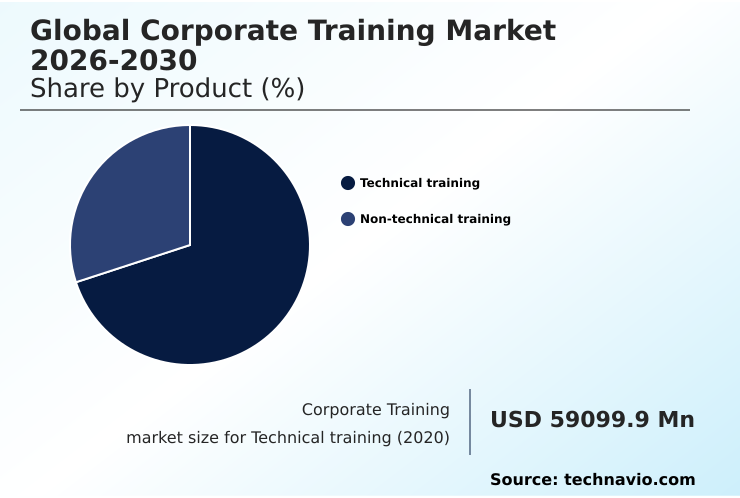
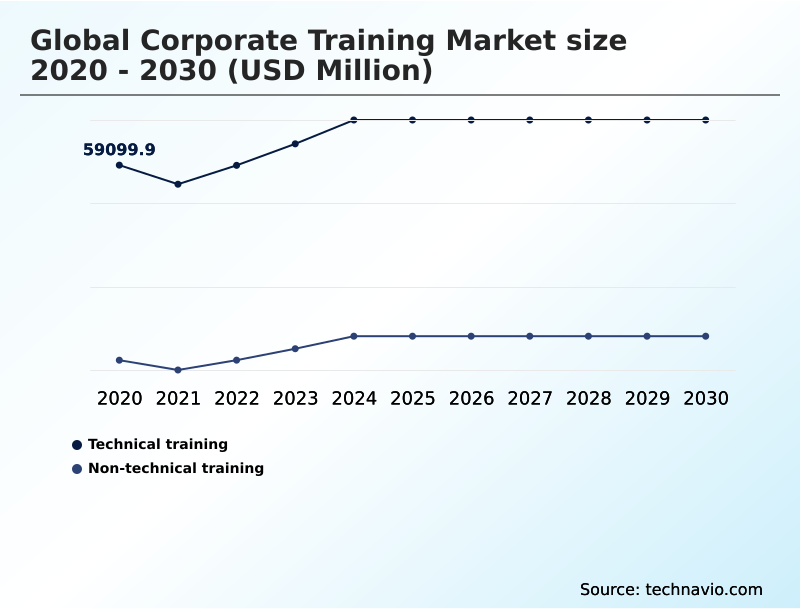
The Technical training segment was valued at USD 66.91 billion in 2024 and showed a gradual increase during the forecast period.
Regional Analysis
North America is estimated to contribute 43.9% to the growth of the global market during the forecast period.Technavio’s analysts have elaborately explained the regional trends and drivers that shape the market during the forecast period.
See How Corporate Training Market Demand is Rising in North America Request Free Sample
The geographic landscape of the global corporate training market 2026-2030 is diverse, with North America representing the largest and most mature region, while APAC is the fastest-growing.
In North America, there is high adoption of corporate eLearning solutions and a focus on leadership development programs to enhance workforce readiness, with the market growing at 7.7%.
In contrast, APAC's market, expanding at 9.0%, is driven by a massive need for upskilling, with a strong preference for mobile-first microlearning modules and blended learning models. European markets prioritize soft skills development and diversity and inclusion programs.
This regional variation requires providers to offer a flexible learning experience platform that can be tailored for sales effectiveness training and customer service training to meet local demands.
Market Dynamics
Our researchers analyzed the data with 2025 as the base year, along with the key drivers, trends, and challenges. A holistic analysis of drivers will help companies refine their marketing strategies to gain a competitive advantage.
- In the global corporate training market 2026-2030, strategic decision-making is becoming increasingly complex. Executives are tasked with selecting the best LMS for large enterprises, a choice that has significant long-term operational implications. A primary concern remains measuring ROI of leadership training, as organizations demand clear metrics linking development programs to business outcomes.
- The trends in corporate education show a clear shift towards technology, with many exploring virtual reality for soft skills and implementing gamification in compliance training to boost engagement and retention. The rise of AI for personalized learning paths allows for tailored development at scale, addressing one of the key challenges in global training rollout.
- As companies adapt to new work models, providing effective corporate training for remote teams has become a top priority. The cost of implementing an LXP is a critical budget consideration, weighed against the benefits of experiential learning and improved employee engagement.
- Many are examining how to build a skills taxonomy to support these modern platforms and are following blended learning best practices. The integration of an LMS with HR systems is now standard, improving data flow for performance analysis. A crucial aspect is developing a corporate mentorship program to complement formal training.
- Organizations are also refining their training needs analysis methods, with some finding that the impact of microlearning on retention is significantly higher, reducing employee ramp-up time by more than 20% compared to traditional, longer-form content.
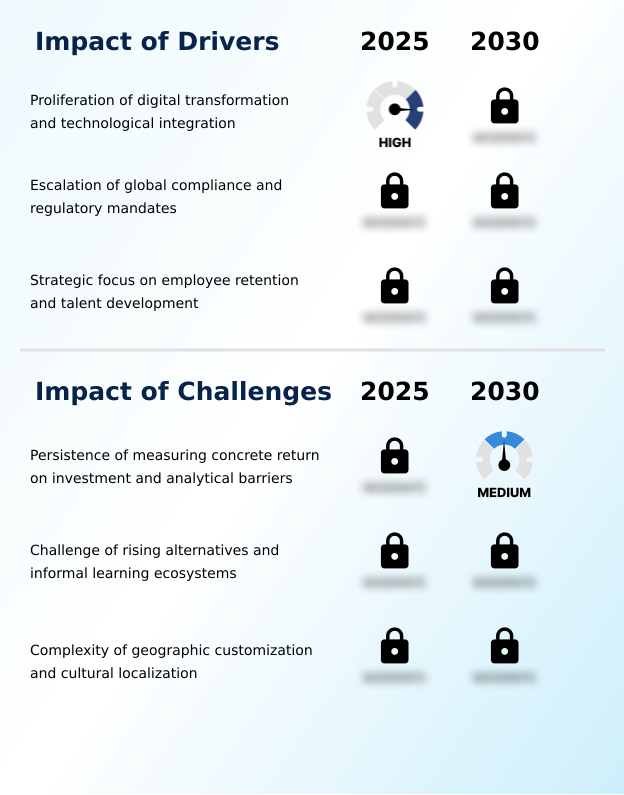
What are the key market drivers leading to the rise in the adoption of Corporate Training Industry?
- The proliferation of digital transformation and widespread technological integration is a primary driver for the global corporate training market.
- Digital transformation is a primary catalyst, necessitating constant reskilling initiatives to keep pace with new technologies. This has accelerated the shift towards skills-based hiring, where demonstrable competencies outweigh traditional qualifications.
- Organizations are building comprehensive talent development ecosystems supported by employee upskilling platforms and sophisticated talent management software. This strategic focus on internal development has been shown to reduce employee turnover by up to 30%.
- The demand for technical skills training is surging, particularly in cybersecurity awareness, as remote work models expand the corporate attack surface.
- Simultaneously, stringent regulations require continuous compliance training, which is efficiently managed through modern compliance management systems, ensuring workforce transformation is both agile and secure.
What are the market trends shaping the Corporate Training Industry?
- The corporate training market is undergoing a significant transformation with the integration of agentic artificial intelligence. This technology works alongside predictive learning analytics to create more autonomous and proactive learning journeys.
- The integration of agentic artificial intelligence is reshaping the corporate training landscape, with predictive learning analytics enabling proactive skill gap analysis. Immersive learning technologies are becoming mainstream, with virtual reality training and augmented reality simulations offering safe, repeatable practice environments.
- These tools use haptic feedback and spatial audio to create realistic scenarios, leading to an 18% higher knowledge retention rate compared to traditional video-based learning. AI-driven coaching platforms provide scalable, personalized feedback, while the use of gamification elements transforms mandatory training into an engaging experience.
- These advancements are critical for developing a workforce that can adapt to rapid technological change, with organizations that adopt them reporting a 25% faster time-to-competency for new roles.
What challenges does the Corporate Training Industry face during its growth?
- A key challenge affecting industry growth is the persistent difficulty in measuring the concrete return on investment from training initiatives, compounded by analytical barriers.
- A significant challenge is measuring training effectiveness and demonstrating a clear return on investment in training. While on-the-job training and peer-to-peer coaching are valuable, their impact is difficult to quantify. Organizations struggle with the instructional design of programs that can produce measurable outcomes, often leading to a reliance on simple completion certifications rather than true competency assessments.
- The rise of informal learning via digital adoption platforms creates a parallel, un-tracked learning ecosystem, challenging the value proposition of formal corporate culture training. Furthermore, delivering training across global teams requires strong cross-cultural competencies and significant localization efforts, with improperly adapted project management certification courses showing a 50% lower pass rate in new regions.
Exclusive Technavio Analysis on Customer Landscape
The corporate training market forecasting report includes the adoption lifecycle of the market, covering from the innovator’s stage to the laggard’s stage. It focuses on adoption rates in different regions based on penetration. Furthermore, the corporate training market report also includes key purchase criteria and drivers of price sensitivity to help companies evaluate and develop their market growth analysis strategies.
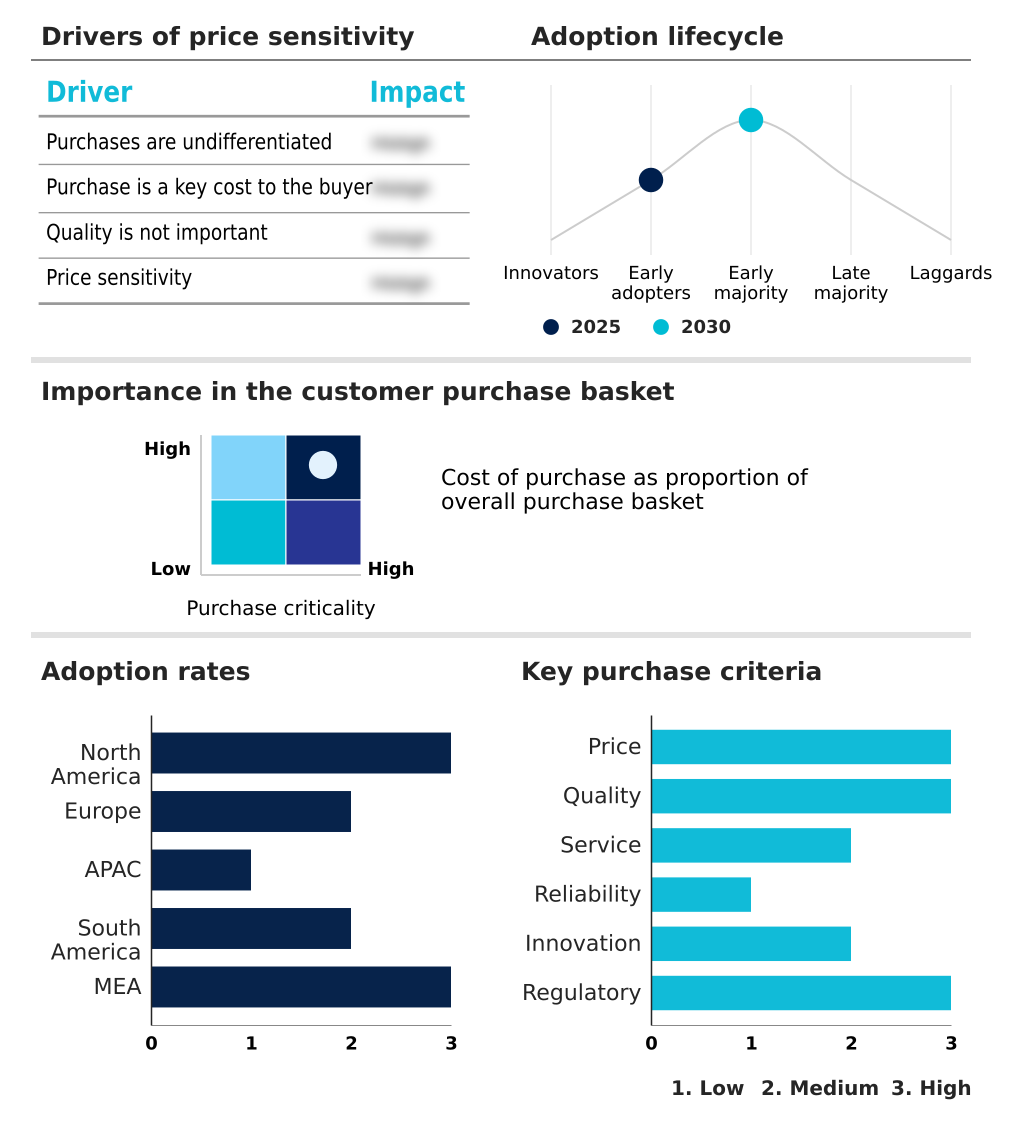
Customer Landscape of Corporate Training Industry
Competitive Landscape
Companies are implementing various strategies, such as strategic alliances, corporate training market forecast, partnerships, mergers and acquisitions, geographical expansion, and product/service launches, to enhance their presence in the industry.
BTS Group AB - Delivers strategic talent development through customized leadership, sales, and transformation programs, enhancing organizational capabilities and driving measurable business results.
The industry research and growth report includes detailed analyses of the competitive landscape of the market and information about key companies, including:
- BTS Group AB
- Cegos Group
- Cornerstone OnDemand Inc.
- Coursera Inc.
- Cross Knowledge
- Dale Carnegie and Associates
- Docebo Inc.
- edX LLC
- Franklin Covey Co.
- General Assembly Space Inc.
- Global Knowledge Training LLC
- GP Strategies Corp.
- Learning Technologies Group
- Pluralsight LLC
- SAP SE
- Simplilearn Solutions Pvt. Ltd
- Skillsoft Corp.
- Udacity Inc.
- Udemy Inc.
- Wilson Learning Worldwide Inc.
Qualitative and quantitative analysis of companies has been conducted to help clients understand the wider business environment as well as the strengths and weaknesses of key industry players. Data is qualitatively analyzed to categorize companies as pure play, category-focused, industry-focused, and diversified; it is quantitatively analyzed to categorize companies as dominant, leading, strong, tentative, and weak.
Recent Development and News in Corporate training market
- In March, 2025, a consortium of major technology companies, including Salesforce and Microsoft, partnered with edX to launch the AI for All national reskilling initiative, aiming to provide certified foundational AI training to one million workers in the United States and Canada over three years.
- In January, 2025, Cornerstone OnDemand announced its acquisition of Talespin, a startup specializing in immersive learning through AI-powered virtual and mixed reality simulations, signaling the growing importance of experiential technologies in corporate training.
- In May, 2025, Coursera Inc. announced a landmark public-private partnership with the Association of Southeast Asian Nations (ASEAN) to establish the ASEAN Future-Ready Workforce program, aiming to provide subsidized digital skills training to over five million SME employees across ten member states.
- In February, 2025, SAP SE launched its European Green Skills Passport initiative, a continent-wide program designed to standardize and certify employee competencies in sustainability practices, circular economy principles, and green technologies to support the European Union's Green Deal objectives.
Dive into Technavio’s robust research methodology, blending expert interviews, extensive data synthesis, and validated models for unparalleled Corporate Training Market insights. See full methodology.
| Market Scope | |
|---|---|
| Page number | 286 |
| Base year | 2025 |
| Historic period | 2020-2024 |
| Forecast period | 2026-2030 |
| Growth momentum & CAGR | Accelerate at a CAGR of 7.9% |
| Market growth 2026-2030 | USD 47842.9 million |
| Market structure | Fragmented |
| YoY growth 2025-2026(%) | 7.4% |
| Key countries | US, Canada, Mexico, Germany, UK, France, Italy, Spain, The Netherlands, China, Japan, India, South Korea, Australia, Indonesia, Brazil, Argentina, Chile, Saudi Arabia, UAE, South Africa, Israel and Turkey |
| Competitive landscape | Leading Companies, Market Positioning of Companies, Competitive Strategies, and Industry Risks |
Research Analyst Overview
- The corporate training market is defined by a strategic shift towards dynamic, technology-driven talent development. Organizations are embedding reskilling initiatives and upskilling platforms into their core strategies to build workforce readiness. The adoption of a learning management system is now standard, but the focus is on creating integrated talent development ecosystems that support skills-based hiring and continuous improvement.
- Advanced firms leverage blended learning models, incorporating virtual instructor-led training, experiential learning, and microlearning modules. This approach, which includes soft skills development and targeted technical skills training, is critical for succession planning programs. For instance, in highly regulated industries, the implementation of robust compliance training has been shown to reduce compliance-related errors by over 40%.
- The market's evolution is marked by a move to competency-based training, where progress is measured through certifications and demonstrated skills rather than hours spent in a classroom, ensuring alignment with strategic business goals.
What are the Key Data Covered in this Corporate Training Market Research and Growth Report?
-
What is the expected growth of the Corporate Training Market between 2026 and 2030?
-
USD 47.84 billion, at a CAGR of 7.9%
-
-
What segmentation does the market report cover?
-
The report is segmented by Product (Technical training, and Non-technical training), Type (Blended, and E-learning), Business Segment (Large enterprises, and SMEs) and Geography (North America, Europe, APAC, South America, Middle East and Africa)
-
-
Which regions are analyzed in the report?
-
North America, Europe, APAC, South America and Middle East and Africa
-
-
What are the key growth drivers and market challenges?
-
Proliferation of digital transformation and technological integration, Persistence of measuring concrete return on investment and analytical barriers
-
-
Who are the major players in the Corporate Training Market?
-
BTS Group AB, Cegos Group, Cornerstone OnDemand Inc., Coursera Inc., Cross Knowledge, Dale Carnegie and Associates, Docebo Inc., edX LLC, Franklin Covey Co., General Assembly Space Inc., Global Knowledge Training LLC, GP Strategies Corp., Learning Technologies Group, Pluralsight LLC, SAP SE, Simplilearn Solutions Pvt. Ltd, Skillsoft Corp., Udacity Inc., Udemy Inc. and Wilson Learning Worldwide Inc.
-
Market Research Insights
- Market dynamics are increasingly shaped by the adoption of advanced learning methodologies. The integration of AI-driven coaching and immersive learning technologies is a key factor, with early adopters reporting a 25% increase in skill retention compared to traditional methods. Organizations are actively measuring training effectiveness, finding that a well-structured program can improve employee engagement scores by up to 40%.
- The focus is shifting toward a holistic learning experience platform that supports not just formal courses but also informal knowledge sharing and performance support. This strategic pivot aims to improve the return on investment in training by directly linking learning outcomes to key business performance indicators, creating a more agile and skilled workforce.
We can help! Our analysts can customize this corporate training market research report to meet your requirements.
 RIA -
RIA -