


Cleansing Lotion Market Size 2026-2030
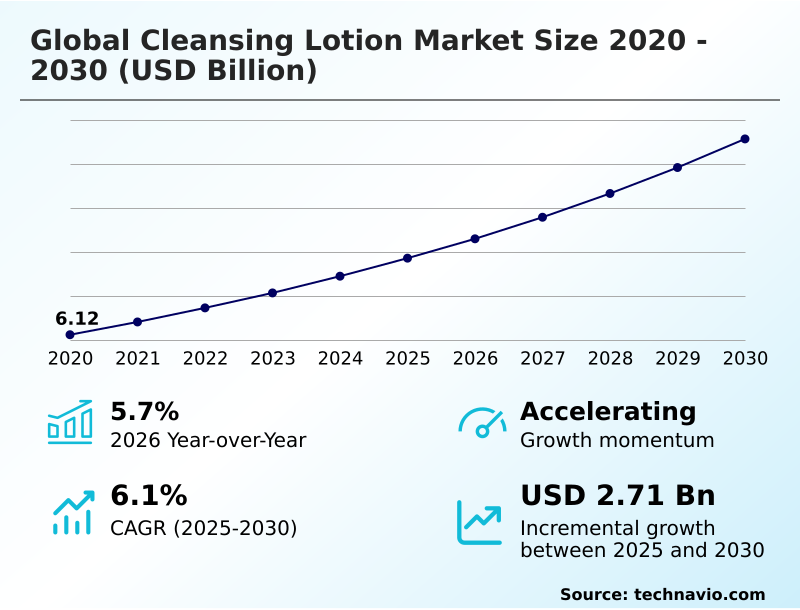
The cleansing lotion market size is valued to increase by USD 2.71 billion, at a CAGR of 6.1% from 2025 to 2030. Evolution of skinification trend in global personal care will drive the cleansing lotion market.
Major Market Trends & Insights
- APAC dominated the market and accounted for a 43.5% growth during the forecast period.
- By Distribution Channel - Offline segment was valued at USD 5.20 billion in 2024
- By End-user - Household segment accounted for the largest market revenue share in 2024
Market Size & Forecast
- Market Opportunities: USD 4.45 billion
- Market Future Opportunities: USD 2.71 billion
- CAGR from 2025 to 2030 : 6.1%
Market Summary
- The cleansing lotion market is undergoing significant transformation, driven by an educated consumer base demanding more than basic hygiene. This shift, known as 'skinification,' reframes cleansing as a therapeutic, non-negotiable step in a daily health regimen.
- Demand is surging for sophisticated formulations containing active ingredients like niacinamide and hyaluronic acid, which address specific concerns such as barrier repair and anti-pollution protection. Consequently, manufacturers are pivoting from traditional surfactant-heavy formulas to advanced, lipid-replenishing lotions that preserve the skin's natural state.
- A key operational scenario involves companies reformulating product lines to meet new 'clean beauty' and cosmetic regulation compliance standards. This requires navigating complex challenges, such as sourcing effective but costly biodegradable ingredients and re-engineering the supply chain to maintain profitability without compromising on ingredient safety standards or active ingredient efficacy.
- This evolving landscape rewards brands that can demonstrate clinical validation, ethical transparency, and an ability to integrate dermatological science into accessible products.
What will be the Size of the Cleansing Lotion Market during the forecast period?
Get Key Insights on Market Forecast (PDF) Get Free Sample
How is the Cleansing Lotion Market Segmented?
The cleansing lotion industry research report provides comprehensive data (region-wise segment analysis), with forecasts and estimates in "USD million" for the period 2026-2030, as well as historical data from 2020-2024 for the following segments.
- Distribution channel
- Offline
- Online
- End-user
- Household
- Commercial
- Product
- Cream-based
- Foam-based
- Gel-based
- Oil-based
- Others
- Application
- Facial cleansing lotions
- Body cleansing lotions
- Eye makeup remover cleansing lotions
- Lip cleansing lotions
- Type
- Normal skin
- Oily skin
- Dry skin
- Sensitive skin
- Combination skin
- Geography
- APAC
- China
- Japan
- South Korea
- North America
- US
- Canada
- Mexico
- Europe
- Germany
- France
- UK
- South America
- Brazil
- Argentina
- Middle East and Africa
- Saudi Arabia
- UAE
- South Africa
- Rest of World (ROW)
- APAC
By Distribution Channel Insights
The offline segment is estimated to witness significant growth during the forecast period.
The offline channel remains critical, particularly within the premium skincare segment, where consumers can physically evaluate products like a cream-based emulsion or oil-based formula.
This hands-on experience is vital for sensitive skin care, allowing shoppers to assess a gentle skin cleanser before purchase.
In-store consultants are pivotal, with some retailers reporting a 25% higher conversion rate for facial cleansing lotion when expert guidance on maintaining skin barrier integrity is provided.
This direct interaction fosters consumer brand loyalty and reinforces trust in dermatologist-tested lotion offerings.
Furthermore, physical stores are increasingly showcasing innovations in cold-process manufacturing and circular packaging models, allowing brands to communicate their commitment to sustainability through tangible product displays like a soothing cleansing milk or hydrating cleansing lotion.
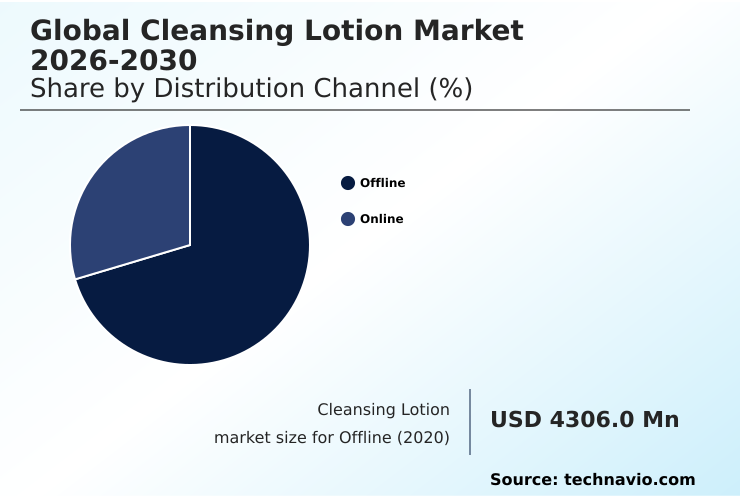
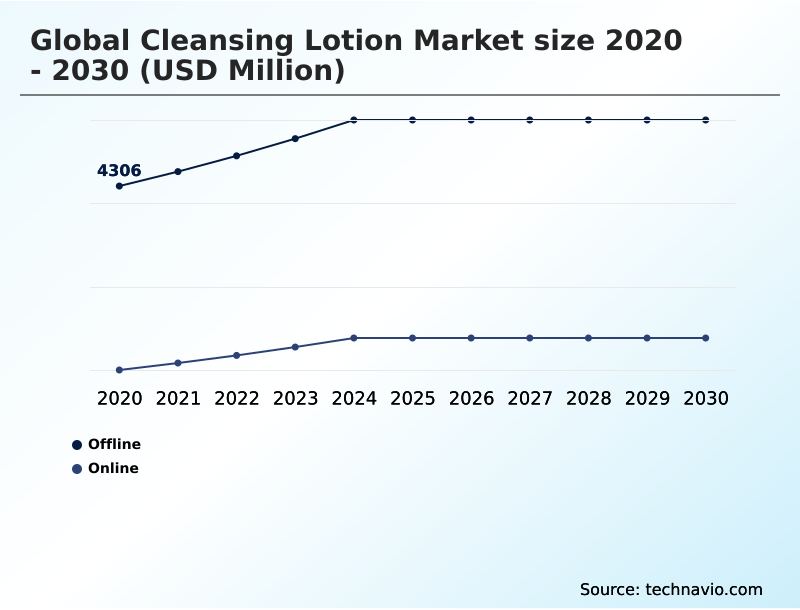
The Offline segment was valued at USD 5.20 billion in 2024 and showed a gradual increase during the forecast period.
Regional Analysis
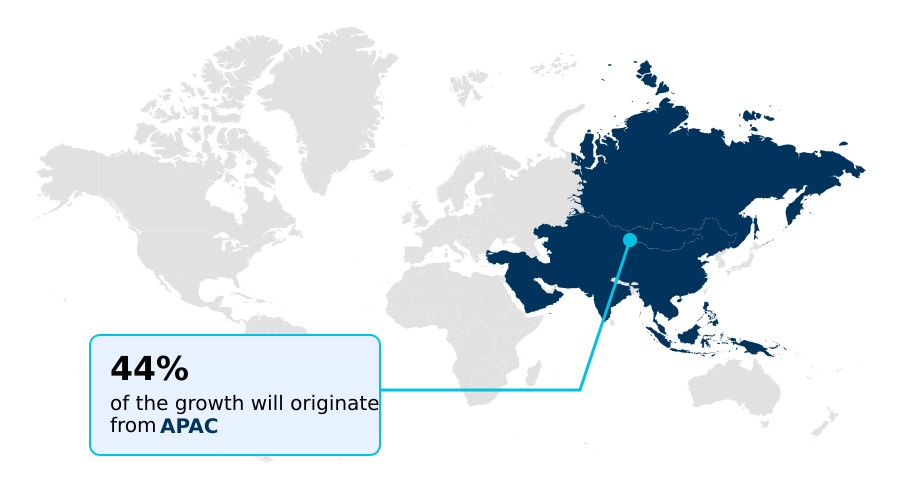
APAC is estimated to contribute 43.5% to the growth of the global market during the forecast period.Technavio’s analysts have elaborately explained the regional trends and drivers that shape the market during the forecast period.
See How Cleansing Lotion Market Demand is Rising in APAC Get Free Sample
The geographic landscape is dominated by the APAC region, which accounts for over 40% of the market's incremental growth, driven by a sophisticated consumer base demanding advanced skincare.
In this premium skincare segment, there is a strong preference for products like a ceramide-rich formula or a specialized anti-pollution cleanser.
This has spurred innovation in dermatological science, leading to the development of the hypoallergenic skin cleanser and pH-balanced face wash.
European markets, while mature, are leading the push for sustainability, with a focus on the organic cleansing solution and refillable cleansing lotion formats. Across North America, the demand for a fragrance-free formulation and phthalate-free skin care is standard.
The adoption of upcycled ingredients and leave-on cleansing product formats is also gaining traction globally as brands cater to evolving consumer ethics.
Market Dynamics
Our researchers analyzed the data with 2025 as the base year, along with the key drivers, trends, and challenges. A holistic analysis of drivers will help companies refine their marketing strategies to gain a competitive advantage.
- Consumers are increasingly seeking targeted solutions, leading to specific queries like finding the best cleansing lotion for acne or the most effective cleanser for protecting skin microbiome. The discussion around cleansing lotion vs micellar water continues, with users wanting to know how to use cleansing lotion properly for their skin type.
- There is high demand for a daily cleansing lotion for oily skin and a deeply hydrating cleanser for dry skin, showcasing the need for personalized skincare. The interest in natural cleansing lotion ingredients is pushing brands toward transparency.
- Shoppers frequently search for the best cleanser for sensitive skin and a cleansing milk for combination skin, highlighting the need for specialized formulations. The benefits of the double cleansing method are now widely recognized, driving sales of products like a gentle eye makeup remover lotion and moisturizing body cleansing lotion.
- The market is also seeing growth in niche categories such as a sulfate free foaming face wash and unscented lotion for reactive skin. Ethical considerations are paramount, with searches for a vegan and cruelty-free facial cleanser and refillable packaging for skin cleansers on the rise.
- Ultimately, consumers trust a dermatologist recommended facial cleanser and are drawn to the idea of a personalized skincare routine cleanser. Companies focusing on these niche demands see customer retention rates nearly double those that do not.
What are the key market drivers leading to the rise in the adoption of Cleansing Lotion Industry?
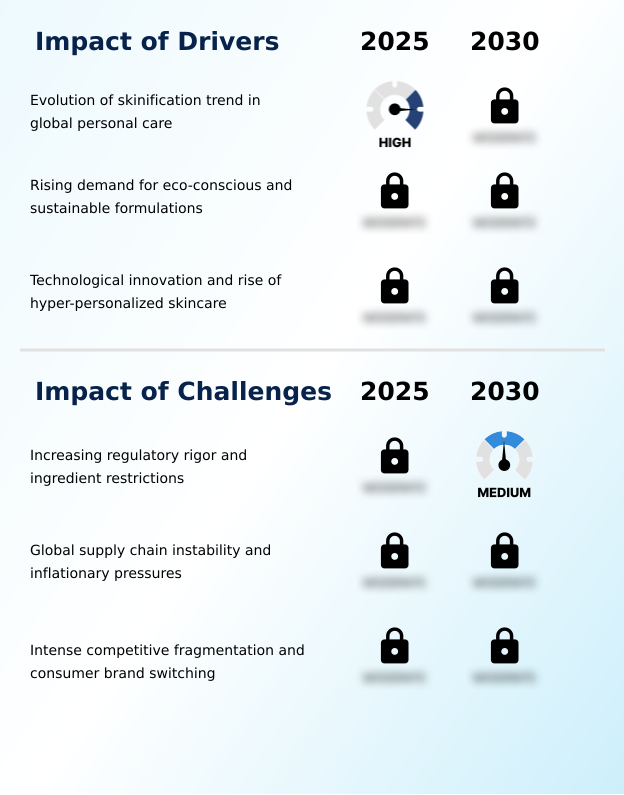
- The evolution of the 'skinification' trend in global personal care, which treats cleansing as a critical therapeutic step, is a key market driver.
- The 'skinification' of personal care and the demand for sustainable options are significant market drivers. Consumers now seek a daily facial cleanser that offers therapeutic benefits, fueling innovation in hyper-personalized skincare and waterless beauty format products.
- This has expanded the market for specialized items like a targeted eye makeup remover and lip cleansing lotion.
- Formulations are increasingly tailored, with an oily skin formulation designed for sebum control and a hydrating cleansing lotion with enhanced dry skin hydration properties.
- The move toward biodegradable ingredients and sustainable skincare packaging is a response to consumer demand, with brands offering a vegan skincare cleanser gaining market share twice as fast as competitors.
- Furthermore, the rise of direct-to-consumer skincare channels has made dermatologist-tested lotion offerings more accessible, increasing consumer adoption rates by 30% in key demographics.
What are the market trends shaping the Cleansing Lotion Industry?
- A primary market trend is the rising emphasis on preserving skin barrier integrity. This is coupled with a focus on protecting the cutaneous microbiome through advanced formulations.
- Key market trends are redefining product development, with a focus on microbiome protection and the integration of AI-powered skin diagnostics. This shift is driving demand for advanced formulations like a gentle skin cleanser that supports the skin's natural ecosystem, moving beyond a simple rinse-off facial cleanser.
- Innovations include the sophisticated micellar water formulation and specialized gel-based cleanser types that offer targeted benefits for combination skin balance. As brands align with cosmetic regulation compliance, the adoption of paraben-free cleanser formulations is now standard, enhancing consumer trust. This emphasis on safety and efficacy has improved active ingredient efficacy by an estimated 20% in newer product lines.
- Moreover, companies with high supply chain transparency for products like body cleansing lotion report a 15% stronger brand affinity among ethically conscious consumers.
What challenges does the Cleansing Lotion Industry face during its growth?
- Increasingly stringent regulatory frameworks and new restrictions on ingredients present a key challenge impacting the industry's growth and formulation strategies.
- The market faces challenges from intense competition and complex regulatory hurdles. The proliferation of niche beauty brands creates a fragmented landscape, making it difficult for even a high-quality clinical-grade cleanser to stand out. Companies must navigate stringent ingredient safety standards, which impacts the use of certain botanical extracts and the niacinamide inclusion levels.
- The demand for a natural ingredient cleanser that is also a cruelty-free beauty product adds sourcing and certification complexities. Formulating a nourishing cleansing lotion with advanced components like prebiotic skincare and postbiotic additives, or ensuring optimal hyaluronic acid concentration, requires significant R&D investment.
- This environment puts pressure on profitability, as the cost of developing a unique, sulfate-free surfactant for a product targeting a normal skin type can be 25% higher than traditional methods, affecting overall margins.
Exclusive Technavio Analysis on Customer Landscape
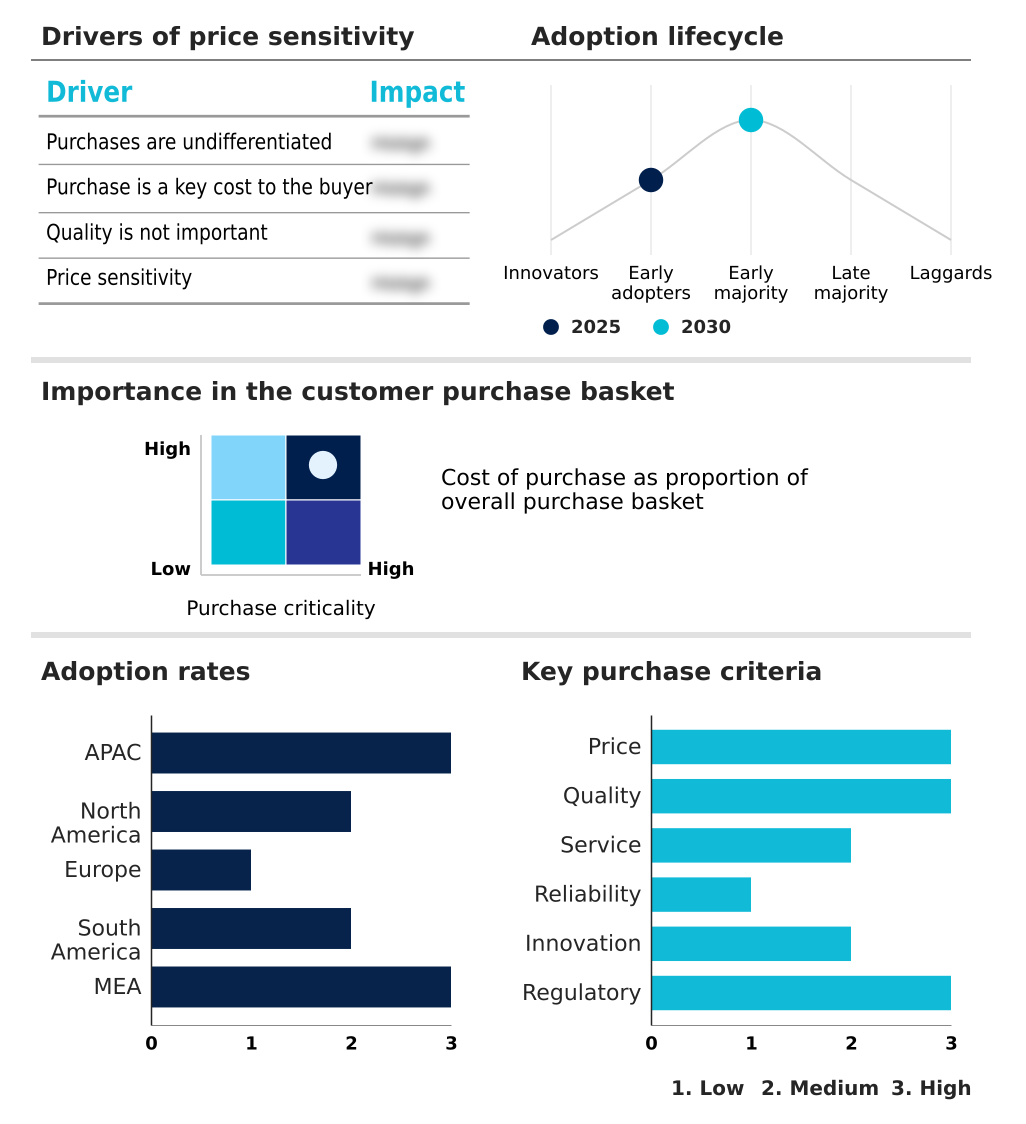
The cleansing lotion market forecasting report includes the adoption lifecycle of the market, covering from the innovator’s stage to the laggard’s stage. It focuses on adoption rates in different regions based on penetration. Furthermore, the cleansing lotion market report also includes key purchase criteria and drivers of price sensitivity to help companies evaluate and develop their market growth analysis strategies.
Customer Landscape of Cleansing Lotion Industry
Competitive Landscape
Companies are implementing various strategies, such as strategic alliances, cleansing lotion market forecast, partnerships, mergers and acquisitions, geographical expansion, and product/service launches, to enhance their presence in the industry.
Amway Corp. - A diverse portfolio of products is offered, spanning beauty, personal care, and wellness categories to meet various consumer needs.
The industry research and growth report includes detailed analyses of the competitive landscape of the market and information about key companies, including:
- Amway Corp.
- Beiersdorf AG
- Caudalie International SE
- Coty Inc.
- Galderma Group AG
- Groupe Clarins
- Kao Corp.
- Kenvue Inc.
- LG Household and Health Care Ltd.
- Loreal SA
- Mary Kay Inc.
- Oriflame Cosmetics SA
- Pierre Fabre SA
- Procter and Gamble Co.
- Revlon Inc.
- Shiseido Co. Ltd.
- SISLEY
- The Estee Lauder Co.
- Unilever PLC
- Valmont Group
Qualitative and quantitative analysis of companies has been conducted to help clients understand the wider business environment as well as the strengths and weaknesses of key industry players. Data is qualitatively analyzed to categorize companies as pure play, category-focused, industry-focused, and diversified; it is quantitatively analyzed to categorize companies as dominant, leading, strong, tentative, and weak.
Recent Development and News in Cleansing lotion market
- In February, 2025, Beiersdorf AG announced the global rollout of a patented cleansing lotion technology featuring a bio-fermented lipid complex designed for immediate skin barrier repair during washing.
- In March, 2025, Loreal SA expanded its CeraVe brand with a new clinical-grade cleansing lotion line that uses multivesicular emulsion technology for sustained release of moisturizing agents.
- In August, 2025, Unilever PLC launched a major initiative to transition its entire cleansing lotion portfolio to packaging made from 100% recycled plastics and expand its waterless solid-format cleansers.
- In October, 2025, Shiseido Co. Ltd. unveiled an AI-powered diagnostic tool that analyzes skin surface proteins to recommend a bespoke cleansing lotion formulation for individual users.
Dive into Technavio’s robust research methodology, blending expert interviews, extensive data synthesis, and validated models for unparalleled Cleansing Lotion Market insights. See full methodology.
| Market Scope | |
|---|---|
| Page number | 351 |
| Base year | 2025 |
| Historic period | 2020-2024 |
| Forecast period | 2026-2030 |
| Growth momentum & CAGR | Accelerate at a CAGR of 6.1% |
| Market growth 2026-2030 | USD 2709.7 million |
| Market structure | Fragmented |
| YoY growth 2025-2026(%) | 5.7% |
| Key countries | China, Japan, South Korea, India, Australia, Indonesia, US, Canada, Mexico, Germany, France, UK, Italy, Spain, Russia, Brazil, Argentina, Chile, Saudi Arabia, UAE, South Africa, Egypt and Nigeria |
| Competitive landscape | Leading Companies, Market Positioning of Companies, Competitive Strategies, and Industry Risks |
Research Analyst Overview
- The cleansing lotion market's competitive edge is now defined by scientific innovation and sustainability. A strategic boardroom focus is on balancing R&D for a ceramide-rich formula or hyper-personalized skincare with the high capex required for circular packaging models.
- The industry is advancing beyond a simple facial cleansing lotion to sophisticated offerings like an oil-based formula for makeup removal and a specialized body cleansing lotion. Formulations cater to every skin type, from a gentle oily skin formulation and hydrating dry skin hydration product to sensitive skin care and combination skin balance solutions.
- The push for a non-comedogenic formula is standard, while a sulfate-free surfactant is becoming the norm. The market is also seeing a shift toward a waterless beauty format and the inclusion of niacinamide inclusion, alongside a higher hyaluronic acid concentration.
- Key developments in a bio-fermented lipid complex and multivesicular emulsion technology are protected by a significant number of new patents, with some firms filing over 70 in a single year. These innovations enhance microbiome protection and skin barrier integrity, incorporating prebiotic skincare, postbiotic additives, botanical extracts, upcycled ingredients, and even cold-process manufacturing for a superior anti-pollution cleanser.
What are the Key Data Covered in this Cleansing Lotion Market Research and Growth Report?
-
What is the expected growth of the Cleansing Lotion Market between 2026 and 2030?
-
USD 2.71 billion, at a CAGR of 6.1%
-
-
What segmentation does the market report cover?
-
The report is segmented by Distribution Channel (Offline, and Online), End-user (Household, and Commercial), Product (Cream-based, Foam-based, Gel-based, Oil-based, and Others), Application (Facial cleansing lotions, Body cleansing lotions, Eye makeup remover cleansing lotions, and Lip cleansing lotions), Type (Normal skin, Oily skin, Dry skin, Sensitive skin, and Combination skin) and Geography (APAC, North America, Europe, South America, Middle East and Africa)
-
-
Which regions are analyzed in the report?
-
APAC, North America, Europe, South America and Middle East and Africa
-
-
What are the key growth drivers and market challenges?
-
Evolution of skinification trend in global personal care, Increasing regulatory rigor and ingredient restrictions
-
-
Who are the major players in the Cleansing Lotion Market?
-
Amway Corp., Beiersdorf AG, Caudalie International SE, Coty Inc., Galderma Group AG, Groupe Clarins, Kao Corp., Kenvue Inc., LG Household and Health Care Ltd., Loreal SA, Mary Kay Inc., Oriflame Cosmetics SA, Pierre Fabre SA, Procter and Gamble Co., Revlon Inc., Shiseido Co. Ltd., SISLEY, The Estee Lauder Co., Unilever PLC and Valmont Group
-
Market Research Insights
- Market dynamics are shaped by a pronounced consumer shift toward specialized skincare, with direct-to-consumer skincare models gaining significant traction. Firms targeting the APAC region, which represents 43.5% of the market's incremental growth opportunity, are focusing on supply chain transparency to mitigate risks; some have reported logistical cost increases of up to 15%.
- This environment pressures companies to innovate beyond the product, emphasizing sustainable skincare packaging and cruelty-free beauty product certifications to secure consumer brand loyalty. In the premium skincare segment, success hinges on delivering clinically validated, dermatologist-tested lotions that justify higher price points.
- As niche beauty brands continue to enter the market, established players must refine their strategies to compete on both active ingredient efficacy and ethical production, ensuring alignment with modern consumer values.
We can help! Our analysts can customize this cleansing lotion market research report to meet your requirements.
 RIA -
RIA -