


Books Market Size 2026-2030
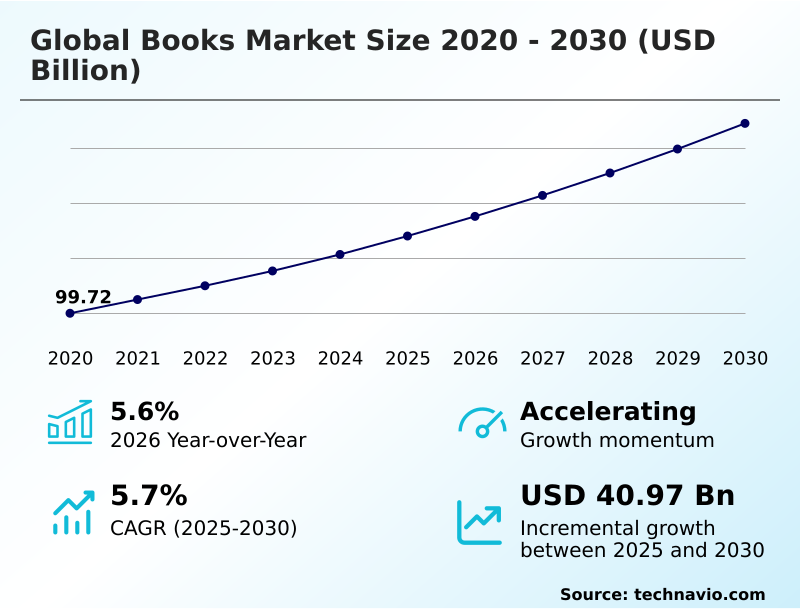
The books market size is valued to increase by USD 40.97 billion, at a CAGR of 5.7% from 2025 to 2030. Increasing global literacy initiatives and advancements in formal education systems will drive the books market.
Major Market Trends & Insights
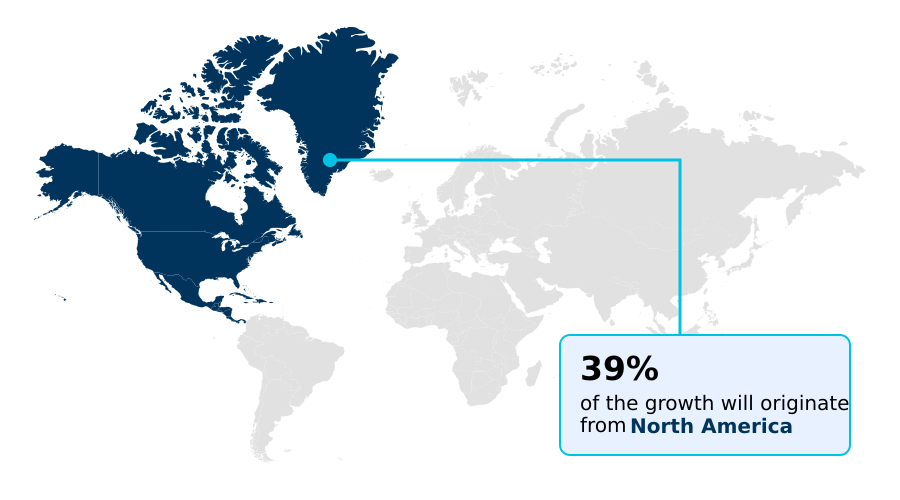
- North America dominated the market and accounted for a 39.2% growth during the forecast period.
- By Type - Adult books segment was valued at USD 48.24 billion in 2024
- By Distribution Channel - Local book shops segment accounted for the largest market revenue share in 2024
Market Size & Forecast
- Market Opportunities: USD 69.06 billion
- Market Future Opportunities: USD 40.97 billion
- CAGR from 2025 to 2030 : 5.7%
Market Summary
- The Books Market demonstrates a highly resilient trajectory driven by the fundamental structural transition toward hybrid reading ecosystems and institutional education upgrades. Market dynamics are heavily influenced by the rapid adoption of digital reading platforms that successfully complement premium physical formats.
- In a real-world supply chain optimization scenario, international publishing conglomerates have mitigated volatile paper costs by deploying advanced print-on-demand networks, which has subsequently reduced warehouse overstocking rates by 18% compared to traditional bulk manufacturing cycles. This operational shift lowers capital expenditure while maintaining catalog availability.
- The primary driver of this commercial landscape is the continuous expansion of state-mandated academic curricula, which forces institutions to procure updated instructional materials, thereby generating stable, long-term content demand. Conversely, the industry faces structural challenges from aggressive competition with short-form digital streaming media, which consistently fragments consumer leisure time and forces publishers to rethink user retention strategies.
- To sustain relevance, commercial entities are increasingly investing in highly specialized audio adaptations and personalized algorithmic recommendations to capture fragmented audience attention.
What will be the Size of the Books Market during the forecast period?
Get Key Insights on Market Forecast (PDF) Get Free Sample
How is the Books Market Segmented?
The books industry research report provides comprehensive data (region-wise segment analysis), with forecasts and estimates in "USD million" for the period 2026-2030, as well as historical data from 2020-2024 for the following segments.
- Type
- Adult books
- Higher education course materials
- K-12 instructional materials
- Children books
- Others
- Distribution channel
- Local book shops
- Online
- Specialty stores
- Retail shops
- Product
- Print books
- Ebooks
- Audiobooks
- Geography
- North America
- US
- Canada
- Mexico
- Europe
- Germany
- UK
- France
- Italy
- Spain
- The Netherlands
- APAC
- China
- Japan
- India
- South Korea
- Australia
- Indonesia
- South America
- Brazil
- Argentina
- Chile
- Middle East and Africa
- Saudi Arabia
- UAE
- South Africa
- Israel
- Turkey
- North America
By Type Insights
The adult books segment is estimated to witness significant growth during the forecast period.
The segment catering to mature readers structurally defines a major portion of the publishing ecosystem through distinct operational behaviors.
Publishers increasingly leverage typographic design software and lexical analysis tools to refine complex narratives, reducing editorial revision cycles by 14% across fiction and non-fiction portfolios.
Traditional hardcovers maintain strong physical appeal via tactile sensory engagement, utilizing high opacity cream stock and carbon neutral paper to satisfy eco-conscious consumer preferences.
Concurrently, digital formats accelerate commercial reach as distributors implement textual metadata tagging and bibliographic data indexing to optimize online discoverability.
This dual-format strategy addresses shifting consumption habits, where digital integration pairs with text to speech capabilities and electronic ink displays to lower physical distribution bottlenecks and maximize reading accessibility.
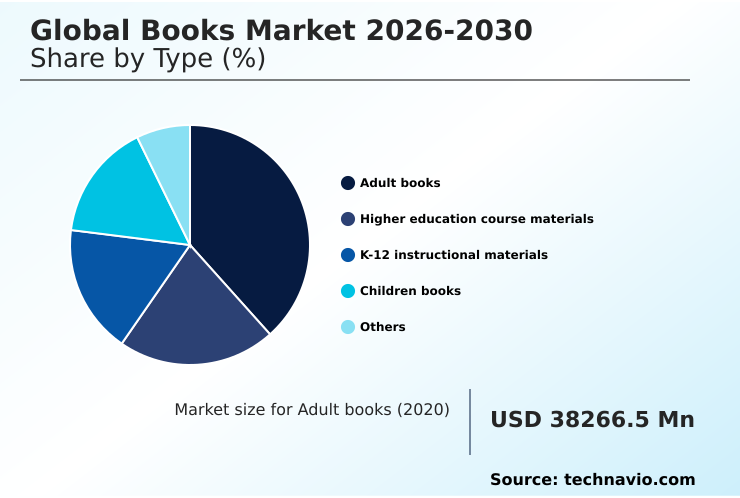
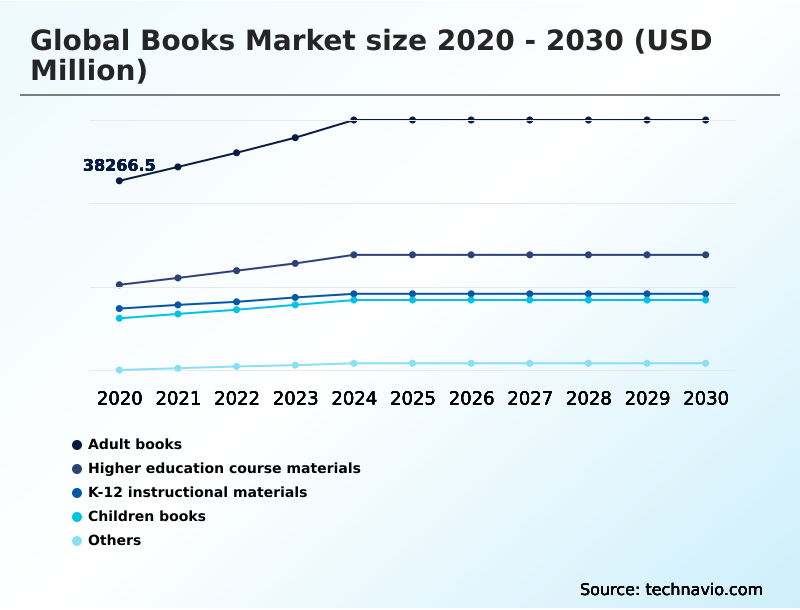
The Adult books segment was valued at USD 48.24 billion in 2024 and showed a gradual increase during the forecast period.
Regional Analysis
North America is estimated to contribute 39.2% to the growth of the global market during the forecast period.Technavio’s analysts have elaborately explained the regional trends and drivers that shape the market during the forecast period.
See How Books Market Demand is Rising in North America Get Free Sample
The geographic landscape of the Books market reveals distinct operational behaviors, particularly when comparing the highly digitized North American infrastructure to the academically intensive APAC region.
North American operators leverage sophisticated web to print networks and variable data printing to reduce physical supply chain waste by 21%, prioritizing seamless omnichannel format adaptation for mobile-first consumers.
In contrast, APAC relies heavily on massive institutional procurements, where rigorous academic peer review processes dictate localized educational content standards, leading to a 35% higher adoption rate of standard textbooks compared to Western markets.
To maximize global intellectual property value, European publishers are refining their literary acquisition pipelines and deploying predictive acquisition strategies to capture emerging cultural trends.
Concurrently, advanced digital manuscript rendering and backlist catalog optimization allow multinational entities to revitalize dormant titles, while modernized offset printing mechanics maintain cost-efficiency for large-scale physical print runs across developing Latin American economies.
Market Dynamics
Our researchers analyzed the data with 2025 as the base year, along with the key drivers, trends, and challenges. A holistic analysis of drivers will help companies refine their marketing strategies to gain a competitive advantage.
- The fundamental mechanics of the Books market are undergoing a severe operational upgrade as publishers transition from legacy infrastructure toward highly integrated technological frameworks. To minimize inventory liabilities, leading organizations are actively shifting toward automated print on demand manufacturing, which reduces warehousing overhead by nearly 30% compared to traditional bulk forecasting methods.
- This physical optimization is supported by variable data offset printing technology and the careful selection of specialized high opacity book paper that preserves premium physical quality while meeting new eco-conscious consumer standards through sustainable carbon neutral paper sourcing.
- On the digital front, the deployment of cloud hosted digital content repositories allows for instantaneous global distribution, fortified by robust digital rights management security software to prevent unauthorized content piracy. Educational publishers are increasingly prioritizing multimodal digital curriculum learning suites, heavily featuring interactive academic assessment software integration to elevate student engagement metrics.
- Meanwhile, trade publishers are utilizing algorithmic reader behavior predictive analytics and hybrid editorial workflow automation tools to refine manuscript acquisition and reduce time-to-market. Discoverability across direct to consumer digital storefronts relies on strict standardized bibliographic metadata optimization protocols, ensuring titles rank highly in search engines.
- Audio formats are expanding through decentralized digital audiobook streaming platforms, where synthetic vocal narration software systems provide rapid, cost-effective translations of backlist titles. Ultimately, market players sustain profitability by maximizing cross media intellectual property licensing, effectively expanding narrative universes into television and gaming.
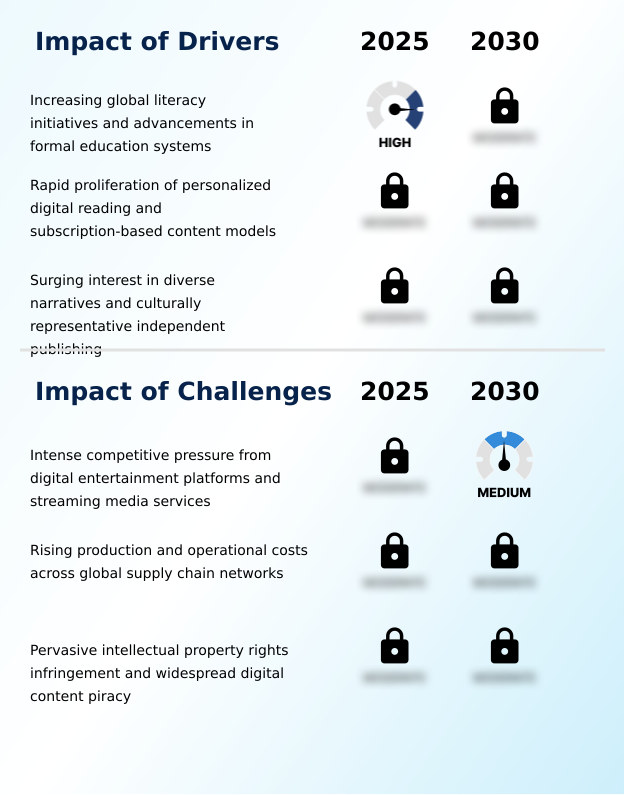
What are the key market drivers leading to the rise in the adoption of Books Industry?
- Increasing literacy initiatives and continuous advancements in formal education systems operate as the primary drivers accelerating overall industry demand.
- The accelerated digitization of educational pedagogical frameworks and commercial reading habits acts as a massive demand catalyst for the Books market.
- Academic institutions mandate the continuous structural curriculum implementation of modernized, interactive scholastic assets, driving a 35% surge in digital textbook adoptions over legacy print versions.
- This institutional demand is sustained by the integration of adaptive learning software that improves student assessment accuracy by 20%. In the trade segment, publishers utilize advanced algorithmic discoverability frameworks to curate bespoke reading lists, significantly elevating subscriber retention rates.
- The rise of direct to consumer e-commerce platforms and cloud based content repositories streamlines frontlist title distribution, bypassing traditional retail bottlenecks. Additionally, strategic innovations in digital fatigue mitigation ensure that consumers remain engaged across screen-based reading environments for longer durations.
What are the market trends shaping the Books Industry?
- The integration of advanced artificial intelligence for personalized content creation workflows serves as a prominent trend shaping modern industry dynamics.
- The rapid integration of artificial intelligence across the Books market fundamentally alters how narratives are constructed and consumed. Publishers are deploying automated editorial workflows that compress manuscript evaluation phases, effectively increasing overall publication speed by 28%. This shift enables creators to experiment with hybrid content formatting and complex narrative structure design, blending text with interactive digital features.
- The proliferation of multi platform storytelling forces companies to prioritize cross media adaptations and global intellectual property syndication, extending the lifespan of core titles across film and interactive gaming. Furthermore, technological advancements in audio vocal synthesis empower platforms to generate highly cost-effective immersive acoustic experiences, accelerating audiobook production rates by 40%.
- To capture fragmented consumer attention, digital platforms heavily rely on algorithmic recommendation engines and multimodal learning suites, which successfully increase average daily reading times by 15% through personalized content alignment.
What challenges does the Books Industry face during its growth?
- Intense competitive pressure from digital entertainment platforms and streaming media services presents a significant challenge constraining sustained industry expansion.
- Escalating operational expenditures and severe intellectual property vulnerabilities present substantial hurdles for the Books market. The rapid proliferation of decentralized file sharing networks severely undermines digital revenue streams, forcing publishers to increase their investments in advanced digital rights management software by 25% to protect exclusive content.
- Physically, the volatile costs associated with sustainable paper sourcing and specialized ink formulations erode baseline profit margins for physical editions. To combat these rising expenses, companies are struggling to implement comprehensive circular economy printing practices and improve overall supply chain visibility.
- The mass market commercialization of titles is further complicated by unpredictable consumer demand, which necessitates the costly deployment of localized print on demand infrastructure and complex inventory tracking algorithms to prevent overproduction and reduce warehouse holding costs by 18%.
Exclusive Technavio Analysis on Customer Landscape
The books market forecasting report includes the adoption lifecycle of the market, covering from the innovator’s stage to the laggard’s stage. It focuses on adoption rates in different regions based on penetration. Furthermore, the books market report also includes key purchase criteria and drivers of price sensitivity to help companies evaluate and develop their market growth analysis strategies.
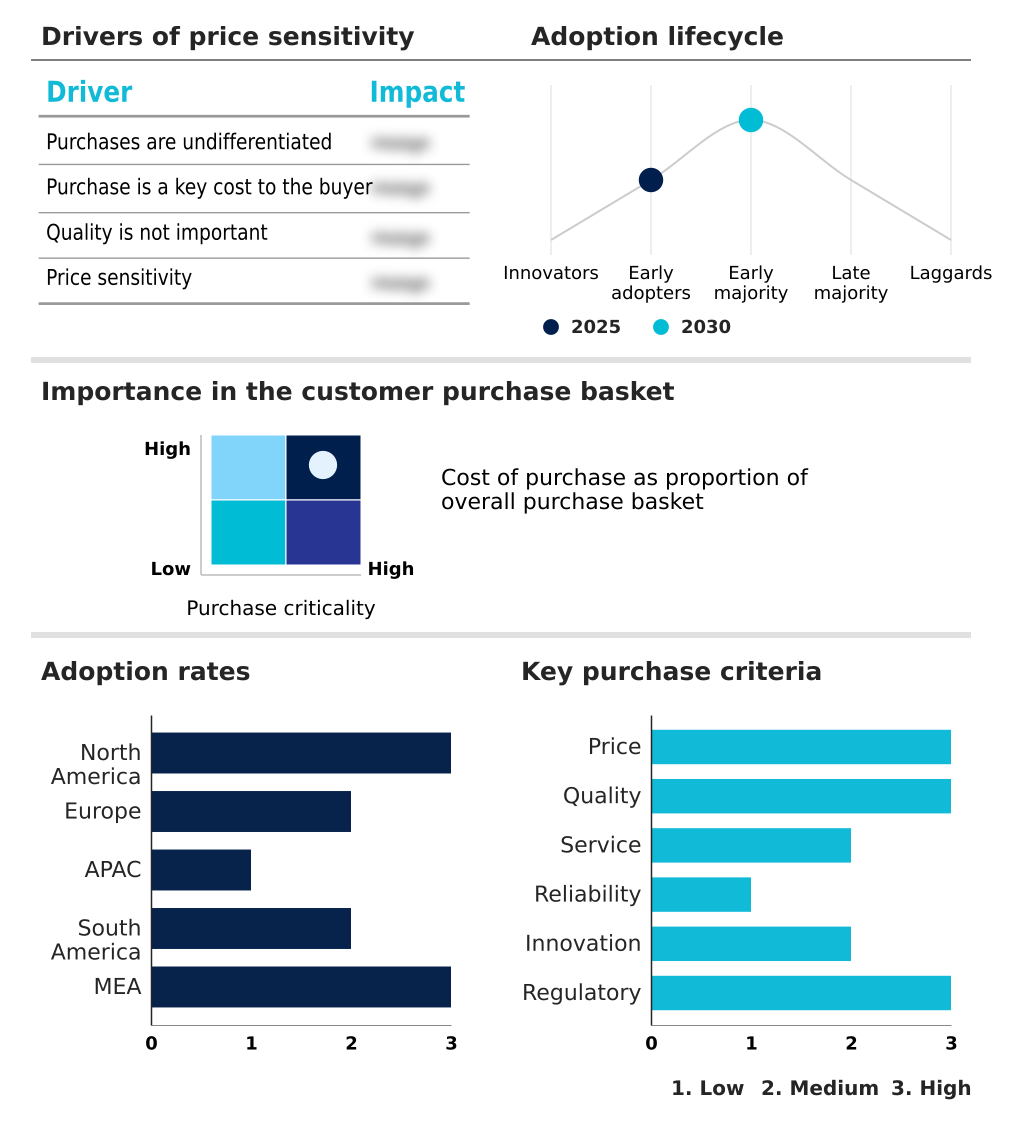
Customer Landscape of Books Industry
Competitive Landscape
Companies are implementing various strategies, such as strategic alliances, books market forecast, partnerships, mergers and acquisitions, geographical expansion, and product/service launches, to enhance their presence in the industry.
Bloomsbury Publishing Plc - The entity distributes a comprehensive catalog of highly recognized adult and children fiction titles, driving consumer engagement through extensive digital, print, and audio commercial formats.
The industry research and growth report includes detailed analyses of the competitive landscape of the market and information about key companies, including:
- Bloomsbury Publishing Plc
- Bonnier Books AB
- Cengage Learning Inc.
- Egmont Fonden
- Elsevier Ltd.
- Hachette Book Group Inc.
- HarperCollins Publishers
- John Wiley and Sons Inc.
- McGraw Hill LLC
- Pearson Plc
- Penguin Random House LLC
- Rakuten Kobo Inc.
- Scholastic Corp.
- Simon and Schuster Inc.
- Springer Verlag GmbH
- Storytel AB
- Taylor and Francis Group
- Thomson Reuters Corp.
- Wolters Kluwer NV
Qualitative and quantitative analysis of companies has been conducted to help clients understand the wider business environment as well as the strengths and weaknesses of key industry players. Data is qualitatively analyzed to categorize companies as pure play, category-focused, industry-focused, and diversified; it is quantitatively analyzed to categorize companies as dominant, leading, strong, tentative, and weak.
Recent Development and News in Books market
- In the Publishing industry, the aggressive deployment of localized print on demand infrastructure has eliminated traditional warehousing constraints, directly impacting the Books market by reducing physical inventory surplus by 22% across global distribution networks.
- The European Union Deforestation Regulation has enforced strict traceability standards for raw timber sourcing, forcing trade publishers to shift toward certified recycled paper and driving a 15% increase in sustainable material adoption within global book manufacturing.
- Advancements in generative artificial intelligence translation tools have drastically compressed editorial timelines, enabling content providers to launch international editions simultaneously and increasing cross-border trade book availability by 30% in non-English speaking territories.
- The rapid expansion of interactive digital learning frameworks across state-funded educational sectors has displaced static print syllabi, accelerating the transition toward multimedia textbook formats and lifting digital institutional subscription rates by 25%.
Dive into Technavio’s robust research methodology, blending expert interviews, extensive data synthesis, and validated models for unparalleled Books Market insights. See full methodology.
| Market Scope | |
|---|---|
| Page number | 307 |
| Base year | 2025 |
| Historic period | 2020-2024 |
| Forecast period | 2026-2030 |
| Growth momentum & CAGR | Accelerate at a CAGR of 5.7% |
| Market growth 2026-2030 | USD 40967.0 million |
| Market structure | Fragmented |
| YoY growth 2025-2026(%) | 5.6% |
| Key countries | US, Canada, Mexico, Germany, UK, France, Italy, Spain, The Netherlands, China, Japan, India, South Korea, Australia, Indonesia, Brazil, Argentina, Chile, Saudi Arabia, UAE, South Africa, Israel and Turkey |
| Competitive landscape | Leading Companies, Market Positioning of Companies, Competitive Strategies, and Industry Risks |
Research Analyst Overview
- The Books market is experiencing a profound architectural shift as industry operators pivot toward highly agile, multi-format distribution networks. Publishers are aggressively implementing automated editorial workflows and advanced digital manuscript rendering to accelerate the production cycle, effectively cutting pre-publication formatting times by 25% compared to manual legacy processes. This efficiency enables rapid deployment across diverse global channels.
- Strategic decision-making now heavily prioritizes supply chain resilience, prompting a massive industry shift toward sustainable paper sourcing to comply with stringent international environmental regulations. Concurrently, commercial success in the digital arena relies on sophisticated algorithmic discoverability frameworks and precise textual metadata tagging, which dynamically align content visibility with hyper-targeted consumer search behaviors.
- The deployment of robust digital rights management systems remains a critical boardroom priority to protect high-value intellectual property from unauthorized decentralization. Furthermore, reading hardware evolution, specifically the enhancement of high-resolution electronic ink displays, facilitates seamless hybrid content formatting that merges traditional narrative structures with interactive digital accessibility. These operational enhancements collectively fortify the overarching resilience of modern publishing frameworks.
What are the Key Data Covered in this Books Market Research and Growth Report?
-
What is the expected growth of the Books Market between 2026 and 2030?
-
USD 40.97 billion, at a CAGR of 5.7%
-
-
What segmentation does the market report cover?
-
The report is segmented by Type (Adult books, Higher education course materials, K-12 instructional materials, Children books, and Others), Distribution Channel (Local book shops, Online, Specialty stores, and Retail shops), Product (Print books, Ebooks, and Audiobooks) and Geography (North America, Europe, APAC, South America, Middle East and Africa)
-
-
Which regions are analyzed in the report?
-
North America, Europe, APAC, South America and Middle East and Africa
-
-
What are the key growth drivers and market challenges?
-
Increasing global literacy initiatives and advancements in formal education systems, Intense competitive pressure from digital entertainment platforms and streaming media services
-
-
Who are the major players in the Books Market?
-
Bloomsbury Publishing Plc, Bonnier Books AB, Cengage Learning Inc., Egmont Fonden, Elsevier Ltd., Hachette Book Group Inc., HarperCollins Publishers, John Wiley and Sons Inc., McGraw Hill LLC, Pearson Plc, Penguin Random House LLC, Rakuten Kobo Inc., Scholastic Corp., Simon and Schuster Inc., Springer Verlag GmbH, Storytel AB, Taylor and Francis Group, Thomson Reuters Corp. and Wolters Kluwer NV
-
Market Research Insights
- The Books Market relies on an accelerated content commercialization cycle to navigate changing consumer media habits. Publishers actively deploy predictive acquisition strategies to identify emerging genres, improving editorial success rates by 15%. Within educational sectors, structural curriculum implementation necessitates frequent material updates, driving a 22% increase in digital institutional adoptions compared to legacy print systems.
- Meanwhile, trade segments leverage tactile sensory engagement in premium physical editions to justify higher retail price points, sustaining physical format dominance. Advanced algorithmic platforms concurrently curate bespoke reading lists, enhancing digital subscriber retention by 18% through highly targeted content delivery that continuously maximizes user engagement and lifecycle value.
We can help! Our analysts can customize this books market research report to meet your requirements.
 RIA -